
You’ve reached a point where replacing a missing tooth feels less like a cosmetic desire and more like a functional necessity. Perhaps a fallen acorn has left a gap in your grin, or an unfortunate tumble has necessitated the removal of a compromised tooth. Whatever the reason, you’re now navigating the landscape of tooth replacement options, with dental implants emerging as a frontrunner. Your search has likely led you to inquire about “Tooth Replacement Implant Cost McKinney Texas TX,” and understanding this cost is a crucial step in your journey. This article aims to equip you with the factual knowledge to demystify this investment, breaking down the factors that contribute to the overall expense and what you can expect when seeking implant services in McKinney, Texas.
A dental implant is not merely a prosthetic that sits on top of your gum; it’s a sophisticated surgical solution designed to mimic the root of a natural tooth. Think of it as a titanium anchor meticulously inserted into your jawbone. This anchor serves as a sturdy foundation onto which a crown – the visible part of your new tooth – will eventually be affixed. This biocompatible titanium alloy is embraced by your bone over time, a process known as osseointegration, creating an unshakeable bond. This integration is the key to the long-term success and natural feel of dental implants, distinguishing them from other tooth replacement methods like bridges or dentures, which often rest on adjacent teeth or a removable base.
How Dental Implants Work: A Biological Marriage
The process of osseointegration is a marvel of biological engineering. When the titanium implant is surgically placed, your body perceives it not as a foreign object but as a natural part of your skeletal structure. Over several months, bone cells gradually grow and fuse with the titanium surface. This biological fusion is critical; it provides the stability and support necessary to withstand the forces of chewing and speaking, much like the root of your original tooth did. Without this integration, the implant would be wobbly and ineffective, akin to building a house on a foundation of sand.
Types of Dental Implants: Tailoring Your Solution
While the fundamental concept remains the same, there are variations in dental implant types that can influence the overall cost. Single-stage and two-stage implants are common classifications.
Single-Stage Implants: Expedited Integration
In a single-stage procedure, a longer implant is used, and a portion of it protrudes through the gumline. A healing cap is attached, and the gum tissue is sutured around it. This approach allows for the implant to be visible and accessible throughout the healing process, potentially shortening the overall treatment timeline.
Two-Stage Implants: A Gradual Approach
The two-stage approach involves a more conservative initial placement. The implant is fully covered by the gum tissue after surgery, allowing for undisturbed osseointegration. After a healing period, a second minor surgery is performed to expose the implant and attach a healing abutment, preparing it for the final crown. This method is often preferred when there are concerns about gum health or immediate aesthetic considerations.
The Anatomy of a Dental Implant: More Than Just a Screw
It’s important to understand that a dental implant isn’t a single piece. It’s actually a three-part system, each contributing to the final tooth replacement.
The Implant Fixture: The Subterranean Anchor
This is the titanium screw that is surgically embedded into your jawbone. Its design, length, and diameter can vary depending on the available bone density and the specific tooth being replaced.
The Abutment: The Connecting Piece
Once osseointegration is complete, an abutment is attached to the implant fixture. This is a small post that extends above the gumline and serves as the connector between the implant and the crown. Abutments can be made of titanium, zirconia, or gold, and their material can affect the cost.
The Crown: The Visible Facade
This is the artificial tooth that your dentist will create to match the color, shape, and size of your natural teeth. It can be made of porcelain, ceramic, or porcelain fused to metal (PFM). The material choice for the crown significantly impacts the aesthetic appeal and durability, and thus the cost.
If you’re considering tooth replacement options in McKinney, Texas, understanding the costs associated with dental implants is crucial. For a detailed breakdown of dental implant prices in a nearby area, you can refer to this informative article on dental implant costs in Mission, Texas. This resource provides insights that may help you make an informed decision regarding your dental health and budget.
Unpacking the Cost: Factors Influencing Your Investment
The question of “Tooth Replacement Implant Cost McKinney Texas TX” is not met with a single, definitive number. The expense is a mosaic, pieced together by several contributing factors. Understanding these variables will empower you to have informed discussions with your dental professional.
The Complexity of Your Case: Individualized Treatment Pathways
Your specific dental situation is the primary architect of the overall cost. A straightforward implant placement for a healthy individual will inherently be less expensive than a case requiring extensive preparatory work.
Bone Grafting: Rebuilding the Foundation
If your jawbone has atrophied due to tooth loss or periodontal disease, bone grafting may be necessary to provide sufficient support for the implant. This procedure involves adding bone material to the jaw, which can be sourced from your own body, a donor, or synthetic materials. Bone grafting adds a significant cost component to the overall treatment.
Sinus Lifts: Expanding the Upper Horizon
For implants in the upper jaw, particularly towards the back, the maxillary sinus can encroach on the available bone space. A sinus lift procedure augments the bone in the sinus floor, creating adequate room for implant placement. This is another surgical procedure that adds to the financial outlay.
Periodontal Health: A Prerequisite for Success
Gum disease can compromise the bone supporting your teeth and implants. Before implant surgery, you may need to undergo periodontal treatment to bring your gums to a healthy state. Addressing gum issues is paramount for implant longevity, but it represents an additional expenditure.
The Dental Professional’s Expertise: The Surgeon’s Skill Set
The experience, reputation, and specialization of your dentist or oral surgeon play a role in the cost. Highly skilled surgeons with extensive training in implantology may command higher fees, reflecting their expertise and the successful track record they bring.
Oral Surgeon vs. General Dentist: Differentiating Specialization
While many general dentists offer implant placement, complex cases or those requiring specialized surgical techniques may be best handled by an oral and maxillofacial surgeon or a periodontist. These specialists undergo rigorous additional training, and their fees can reflect this advanced skill set.
The Implant System Used: Brands and Their Reputation
Various dental implant manufacturers produce their systems. Some brands are more established and trusted, with a long history of research and development, and may therefore be more expensive. The choice of implant system can be influenced by the dentist’s preference and experience, as well as the specific needs of your case.
Materials and Technology: The Building Blocks of Your New Tooth
The quality and type of materials used for the implant components and the final crown significantly impact the cost.
Titanium vs. Zirconia Implants: Material Choices
While titanium is the most common material for implant fixtures due to its biocompatibility and strength, zirconia implants are emerging as a viable alternative. Zirconia offers an aesthetic advantage as they are tooth-colored, and some patients opt for them for this reason. However, zirconia implants can sometimes be more expensive.
Porcelain vs. Ceramic Crowns: Aesthetic and Durability Considerations
The crown that tops your implant can be made from various materials. All-ceramic crowns offer the most aesthetic and natural appearance, while porcelain-fused-to-metal (PFM) crowns are more budget-friendly but may have a metal margin that can be visible. The choice between these and other options will affect the final price.
Ancillary Services and Fees: The Extras That Add Up
Beyond the direct surgical and prosthetic costs, there are other services and fees that contribute to the overall financial picture.
Diagnostic Imaging: Peering Beneath the Surface
Before any surgical intervention, detailed imaging is crucial. This often includes X-rays and, in more complex cases, a three-dimensional cone-beam computed tomography (CBCT) scan. These advanced imaging techniques provide a detailed map of your jawbone and surrounding structures, guiding the surgeon and contributing to the overall cost.
Anesthesia and Sedation: Ensuring Comfort
Depending on the complexity of the procedure and your comfort level, anesthesia or sedation may be administered. The type and duration of anesthesia will influence the overall cost.
Post-Operative Care and Follow-Up Visits: The Road to Recovery
Your journey with dental implants includes essential follow-up appointments to monitor healing and ensure the implant is integrating properly. These appointments are part of the comprehensive care plan and are factored into the overall cost.
Navigating the McKinney, Texas Landscape: Local Cost Considerations
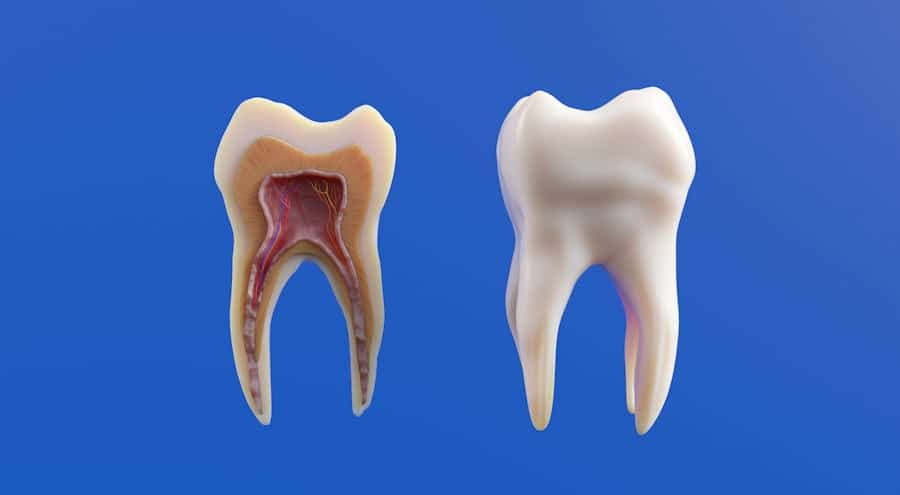
When searching for “Tooth Replacement Implant Cost McKinney Texas TX,” you’ll find that the costs are generally in line with national averages but can also be influenced by local economic factors. McKinney, Texas, as a growing metropolitan area, experiences its own pricing dynamics within the dental services market.
Average Cost Ranges in McKinney, TX: A Price Point Overview
While specific figures are best obtained through consultations, general estimates for single dental implant procedures in the McKinney area can range from $3,000 to $6,000 or more. This broad range accounts for the numerous variables previously discussed. It’s crucial to remember that this figure often represents the implant itself and the abutment, with the crown being an additional cost.
The Implant and Abutment: The Core Components
The titanium implant fixture and the abutment are typically the first major expenses. Their cost varies based on the brand, materials, and surgical complexity.
The Crown: The Finishing Touch
The dental crown, the visible tooth restoration, can add another $1,000 to $3,000 or more to the total cost, depending on the material and laboratory fees.
Factors Affecting Local Pricing: Texas-Specific Influences
Several local factors can contribute to the pricing of dental implants in McKinney and the surrounding North Texas region.
Cost of Living and Operating Expenses: The Local Economic Pulse
Like any service, dental care pricing is influenced by the cost of living in a particular area. McKinney, being part of the Dallas-Fort Worth metroplex, has a competitive market with operational costs that reflect this economic environment.
Dental Insurance Coverage: A Partial Lifeline
While many dental insurance plans do not fully cover the cost of dental implants, as they are often considered an elective or advanced procedure, some plans offer partial coverage. It’s imperative to thoroughly review your dental insurance policy and understand what benefits, if any, are available for implant-related treatments. This coverage, or lack thereof, will significantly offset your out-of-pocket expenses.
Financing Options: Making the Investment Accessible
The significant investment required for dental implants can be a concern. However, many dental practices in McKinney offer various financing options to make the procedure more accessible.
Dental Payment Plans: Spreading the Burden
In-house financing plans or partnerships with third-party dental financing companies can allow you to spread the cost of your treatment over several months or years, often with low or no interest rates.
Credit Cards and Personal Loans: Alternative Funding Avenues
For some, utilizing a general credit card or securing a personal loan might be a viable option to cover the costs. However, it’s essential to consider interest rates and repayment terms when exploring these avenues.
Beyond the Price Tag: Long-Term Value and Considerations
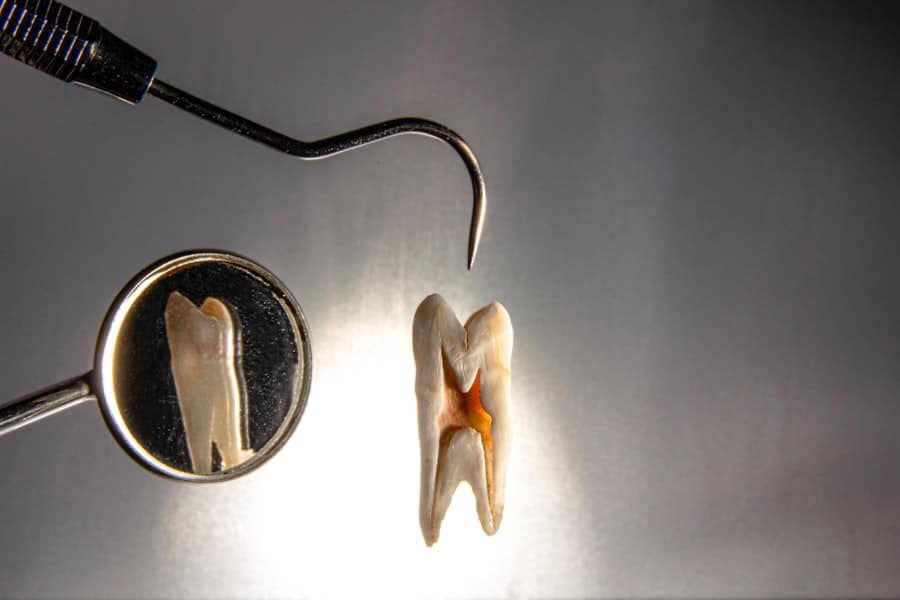
The cost of dental implants is undeniably a significant initial investment, but it’s crucial to view it not just as an expense but as an investment in your oral health, your confidence, and your overall quality of life. The longevity and functionality of dental implants offer substantial long-term value.
Durability and Longevity: A Permanent Solution
When properly cared for, dental implants can last a lifetime. This contrasts with other tooth replacement options that may require periodic replacement or adjustments. The initial cost, when amortized over decades of reliable function, often proves to be a cost-effective solution.
Restored Functionality: Enjoying Life Without Limitations
Missing teeth can significantly impact your ability to eat, speak, and smile with confidence. Dental implants restore near-natural chewing efficiency, allowing you to enjoy your favorite foods without discomfort or embarrassment. They also contribute to clearer speech and a more aesthetically pleasing smile.
Preserving Jawbone Health: Preventing Further Complications
When a tooth is lost, the underlying jawbone begins to resorb, or deteriorate, due to lack of stimulation. Dental implants, by integrating with the jawbone, mimic this stimulation and help to preserve bone density. This prevention of bone loss is crucial for maintaining facial structure and preventing further dental problems.
Impact on Quality of Life: Confidence and Well-being
The ability to smile, laugh, and speak without self-consciousness can have a profound impact on your confidence and overall well-being. Dental implants can be a transformative solution for individuals who have been affected by tooth loss.
If you’re considering tooth replacement options in McKinney, Texas, understanding the associated costs is essential for making an informed decision. A helpful resource can be found in a related article that discusses the costs of dental implants in Cleveland, Ohio, which may provide insights applicable to your situation. You can read more about it here. This information can help you compare prices and find the best options available in your area.
Your Next Steps: Choosing Wisdom and Value
| Procedure | Average Cost | Location | Additional Notes |
|---|---|---|---|
| Single Tooth Implant | 1500 – 3000 | McKinney, TX | Includes implant placement and abutment |
| Implant Crown | 1000 – 2000 | McKinney, TX | Custom-made crown placed on implant |
| Full Mouth Dental Implants | 24000 – 50000 | McKinney, TX | Cost varies based on number of implants and prosthetics |
| Bone Grafting | 300 – 800 | McKinney, TX | May be required if bone loss is present |
| Consultation Fee | 50 – 150 | McKinney, TX | Initial exam and treatment planning |
When you search for “Tooth Replacement Implant Cost McKinney Texas TX,” remember that you are embarking on a journey towards a healthier, more confident you. The cost is a significant factor, but it’s just one piece of the puzzle. Approach this process with diligence, gather information, and prioritize finding a dental professional you trust.
Consultation with a Dental Implant Specialist: The Informative First Chapter
Your initial consultation with a dentist or oral surgeon specializing in dental implants is your most critical step. This is where a thorough examination of your oral health will take place, including any necessary imaging. You will receive a personalized assessment of your needs, a detailed explanation of the recommended treatment plan, and a comprehensive cost breakdown. Don’t hesitate to ask questions. Clarity and understanding are your allies.
Understanding Your Treatment Plan: The Blueprint for Success
Ensure you fully comprehend every stage of your treatment plan. This includes the timeline, the procedures involved, and any potential risks or complications. A well-informed patient is an empowered patient.
Comparing Provider Estimates: Navigating the Market
Once you have received estimates from a few qualified dental professionals in the McKinney area, compare them carefully. Look beyond just the bottom line; consider the reputation of the practice, the experience of the surgeon, the quality of materials used, and what is included in the quoted price.
Investing in Your Health: The Priceless Return
Ultimately, the cost of dental implants in McKinney, Texas, is an investment in your oral health, your appearance, and your quality of life. By understanding the factors that influence the cost and by diligently researching your options, you can make an informed decision that will serve you well for years to come. The journey to a complete and confident smile is within reach, and armed with the right knowledge, you can navigate the path to achieving it.
FAQs
What is the average cost of a tooth replacement implant in McKinney, Texas?
The average cost of a tooth replacement implant in McKinney, Texas typically ranges from $3,000 to $5,000 per implant. This price includes the implant placement, abutment, and crown but can vary based on the dentist, materials used, and any additional procedures required.
Does dental insurance cover tooth replacement implants in McKinney, TX?
Many dental insurance plans offer partial coverage for tooth replacement implants, but coverage varies widely. It is important to check with your specific insurance provider to understand what portion of the implant procedure is covered and any out-of-pocket costs you may incur.
Are there additional costs associated with dental implants besides the implant itself?
Yes, additional costs may include diagnostic imaging (such as X-rays or CT scans), bone grafting if needed, sedation or anesthesia fees, and follow-up visits. These can increase the overall cost of the tooth replacement implant procedure.
How long does the tooth replacement implant procedure take in McKinney, Texas?
The entire tooth replacement implant process can take several months, typically 3 to 6 months. This includes the initial consultation, implant placement, healing time for osseointegration, and placement of the final crown.
Are there financing options available for dental implants in McKinney, TX?
Many dental offices in McKinney offer financing plans or work with third-party lenders to help patients manage the cost of dental implants. These options may include monthly payment plans or low-interest financing to make the procedure more affordable.