
When you think about restoring your smile, dental implants may come to mind as a reliable and effective solution. These innovative devices have revolutionized the field of dentistry, offering a permanent alternative to traditional dentures and bridges. If you’ve ever experienced tooth loss, whether due to decay, injury, or other factors, you might be considering dental implants as a way to regain your confidence and improve your oral health.
Unlike removable options, dental implants are designed to fuse with your jawbone, providing a stable foundation for replacement teeth that look and function just like natural ones. The journey to a restored smile through dental implants begins with understanding what they are and how they work. Essentially, a dental implant consists of three main components: a titanium post that serves as the root, an abutment that connects the post to the crown, and the crown itself, which is the visible part of the tooth.
This structure not only enhances aesthetics but also plays a crucial role in maintaining the integrity of your jawbone. As you explore the possibilities of dental implants, you’ll discover that they offer numerous benefits, including improved chewing ability, enhanced speech, and a boost in self-esteem.
Key Takeaways
- Dental implants are a popular and effective solution for replacing missing teeth, providing a natural-looking and long-lasting result.
- Osseointegration is the process by which the dental implant fuses with the jawbone, providing a stable foundation for the replacement tooth.
- There are various types of dental implants, including endosteal, subperiosteal, and zygomatic implants, each with its own unique benefits and applications.
- Dental implants are typically made from biocompatible materials such as titanium, which allows for successful integration with the surrounding bone tissue.
- Advancements in dental implant technology, such as computer-aided design and 3D printing, have improved the precision and customization of implant placement, leading to better outcomes for patients.
The Process of Osseointegration
One of the most critical aspects of dental implants is the process known as osseointegration. This term refers to the biological process by which the titanium post of the implant fuses with your jawbone. Understanding osseointegration is essential for anyone considering dental implants, as it is a key factor in their long-term success.
After the implant is surgically placed into your jawbone, it takes time for the bone to grow around it and create a strong bond. This process can take several months, but it is vital for ensuring that your implant remains stable and secure. During osseointegration, your body’s natural healing mechanisms come into play.
The titanium material used in dental implants is biocompatible, meaning it is well-accepted by your body and encourages bone growth. As new bone cells form around the implant, they create a solid foundation that can withstand the forces of chewing and biting. This integration not only supports the implant but also helps prevent bone loss in the jaw, which can occur after tooth loss.
As you consider dental implants, knowing about osseointegration can provide reassurance about their durability and effectiveness.
Types of Dental Implants
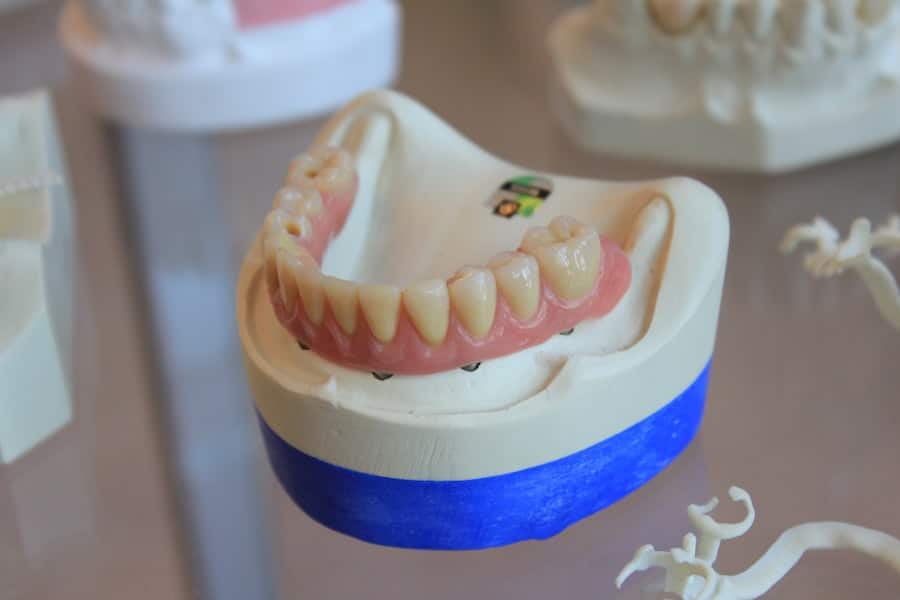
When it comes to dental implants, there are several types available to suit different needs and preferences. The most common type is the endosteal implant, which is placed directly into the jawbone. This type is typically made of titanium and is suitable for most patients who have sufficient bone density.
If you have experienced significant bone loss, however, you may be a candidate for subperiosteal implants. These are placed under the gum but above the jawbone and are often used when there isn’t enough bone height for an endosteal implant. Another option you might encounter is zygomatic implants, which are anchored in the cheekbone rather than the upper jaw.
This type is particularly beneficial for patients who have lost significant bone in their upper jaw and cannot undergo bone grafting procedures. Each type of implant has its own advantages and considerations, so discussing your specific situation with your dentist will help you determine which option is best for you. Understanding these different types can empower you to make informed decisions about your dental health.
Materials Used in Dental Implants
The materials used in dental implants play a crucial role in their success and longevity. Titanium has long been the gold standard due to its strength and biocompatibility. This metal is not only durable but also integrates well with bone tissue, making it an ideal choice for dental implants.
However, advancements in materials science have led to the development of alternative materials such as zirconia, a ceramic that offers aesthetic benefits and is often preferred for patients with metal allergies. Zirconia implants provide a tooth-colored option that blends seamlessly with natural teeth, making them an attractive choice for those concerned about aesthetics. While titanium remains widely used due to its proven track record, zirconia implants are gaining popularity for their cosmetic appeal and potential for reduced inflammation around the gum tissue.
As you explore your options for dental implants, understanding the materials involved can help you weigh the pros and cons of each choice.
Advancements in Dental Implant Technology
The field of dental implant technology has seen remarkable advancements over recent years, enhancing both the procedure itself and patient outcomes. One significant development is the introduction of computer-guided implant surgery. This technology allows for precise planning and placement of implants using 3D imaging and digital models of your mouth.
By utilizing this advanced technology, dentists can achieve greater accuracy in positioning implants, which can lead to improved aesthetics and functionality. Additionally, innovations in implant design have led to improved surface textures that promote faster osseointegration. These advancements not only enhance the success rates of implants but also reduce recovery times for patients.
Furthermore, ongoing research into bioactive materials aims to enhance healing processes even further. As you consider dental implants, staying informed about these advancements can give you confidence in the evolving nature of dental care.
The Role of 3D Imaging in Dental Implant Placement

3D imaging technology has transformed how dental professionals approach implant placement. Traditional methods often relied on 2D X-rays, which could limit a dentist’s ability to visualize the complex anatomy of your mouth. With 3D imaging, however, dentists can obtain detailed views of your jawbone structure, surrounding teeth, and other critical factors that influence implant placement.
This comprehensive view allows for more accurate treatment planning and helps ensure that your implants are positioned optimally. The use of 3D imaging also facilitates computer-guided surgery, where a surgical guide is created based on your unique anatomy. This guide helps dentists place implants with precision, minimizing trauma to surrounding tissues and enhancing overall outcomes.
As you consider undergoing dental implant surgery, knowing that advanced imaging techniques are employed can provide peace of mind regarding the accuracy and safety of the procedure.
Understanding the Success Rate of Dental Implants
The success rate of dental implants is an important consideration for anyone contemplating this treatment option. Generally speaking, dental implants boast a high success rate—often reported to be around 95% or higher—depending on various factors such as location in the mouth, patient health, and adherence to post-operative care instructions. For instance, implants placed in the lower jaw tend to have higher success rates compared to those placed in the upper jaw due to differences in bone density.
Your overall health plays a significant role in determining how well your body will respond to an implant procedure. Factors such as smoking, diabetes, and oral hygiene practices can impact healing and osseointegration. By maintaining good oral health and following your dentist’s recommendations before and after surgery, you can significantly enhance your chances of a successful outcome.
Understanding these factors empowers you to take an active role in your dental health journey.
Future of Dental Implant Technology
As technology continues to evolve at a rapid pace, the future of dental implants looks promising. Researchers are exploring new materials that could further enhance biocompatibility and reduce healing times. Innovations such as smart implants equipped with sensors may soon allow for real-time monitoring of osseointegration progress and overall oral health.
These advancements could lead to more personalized treatment plans tailored specifically to your needs. Moreover, advancements in regenerative medicine may pave the way for techniques that promote natural bone growth around implants without invasive procedures like bone grafting. As these technologies develop, they hold the potential to make dental implant procedures even more accessible and effective for patients like you.
Staying informed about these trends can help you understand how future innovations may impact your options for restoring your smile. In conclusion, dental implants represent a significant advancement in restorative dentistry that offers numerous benefits for individuals facing tooth loss. From understanding osseointegration to exploring different types of implants and materials used, being informed empowers you to make educated decisions about your oral health.
With ongoing advancements in technology and techniques, the future looks bright for those considering dental implants as a solution for restoring their smiles.
If you are interested in learning more about the costs associated with dental implants, you may want to check out this article on Costs for Dental Implants in Rosemead, California. Understanding the financial aspect of dental implants can help you make an informed decision about your oral health care.
FAQs
What are dental implants?
Dental implants are artificial tooth roots that are placed into the jaw to hold a replacement tooth or bridge. They provide a strong foundation for fixed or removable replacement teeth.
How are dental implants placed?
Dental implants are typically placed in a series of steps. First, the implant is surgically placed into the jawbone. Then, a healing period of several months allows the implant to fuse with the bone. Finally, a replacement tooth or bridge is attached to the implant.
What are the benefits of dental implants?
Dental implants offer several benefits, including improved appearance, speech, comfort, and oral health. They also provide better durability and convenience compared to other tooth replacement options.
What is the science behind dental implants?
The science behind dental implants involves the use of biocompatible materials, such as titanium, to create a strong and stable foundation for replacement teeth. The process of osseointegration, where the implant fuses with the jawbone, is a key aspect of the science behind dental implants.
Who is a candidate for dental implants?
Candidates for dental implants should have good oral and overall health, adequate bone density in the jaw, and healthy gums. A thorough evaluation by a dental professional is necessary to determine if someone is a suitable candidate for dental implants.