
Chewing is a fundamental aspect of your daily life, playing a crucial role in your overall health and well-being. It is not merely a mechanical process; it is the first step in digestion, breaking down food into smaller, more manageable pieces. This initial breakdown allows your body to absorb nutrients more efficiently, which is vital for maintaining energy levels and supporting bodily functions.
When you chew properly, you stimulate saliva production, which contains enzymes that begin the digestive process. This means that effective chewing is not just about enjoying your meals; it directly impacts your nutritional intake and overall health. Moreover, chewing has psychological and social dimensions that are often overlooked.
The act of eating is often a communal experience, shared with family and friends. When you can chew comfortably, you can engage more fully in these social interactions, enjoying meals without discomfort or embarrassment. The ability to chew also influences your food choices; when you have a full set of functional teeth, you are more likely to enjoy a varied diet that includes fruits, vegetables, and other healthy options.
Thus, understanding the importance of chewing function extends beyond the physical act itself; it encompasses emotional and social well-being as well.
Key Takeaways
- Proper chewing function is essential for overall health and well-being
- Tooth loss can significantly impact chewing ability and overall quality of life
- Dental implants are a popular and effective solution for restoring chewing function
- Dental implants mimic the natural tooth structure and provide stability for chewing
- Dental implants offer advantages such as durability, natural appearance, and preservation of bone structure
The Impact of Tooth Loss on Chewing Ability
Tooth loss can significantly impair your ability to chew effectively, leading to a cascade of negative consequences. When you lose one or more teeth, the immediate effect is often a reduction in your ability to bite and grind food properly. This can make it difficult to enjoy certain foods, particularly those that are tough or require significant chewing.
As a result, you may find yourself gravitating toward softer, less nutritious options, which can lead to deficiencies in essential vitamins and minerals over time. The impact on your diet can be profound, affecting not only your physical health but also your overall quality of life. In addition to dietary changes, tooth loss can also lead to changes in your jaw structure and alignment.
When teeth are missing, the jawbone can begin to deteriorate due to lack of stimulation, which can further complicate chewing ability. This bone loss can alter your facial structure, leading to a sunken appearance that may affect your self-esteem and confidence. Furthermore, the discomfort associated with chewing on remaining teeth can create a cycle of avoidance, where you choose not to eat certain foods altogether.
This cycle can exacerbate nutritional deficiencies and lead to further health complications, making it essential to address tooth loss promptly.
Introduction to Dental Implants as a Solution
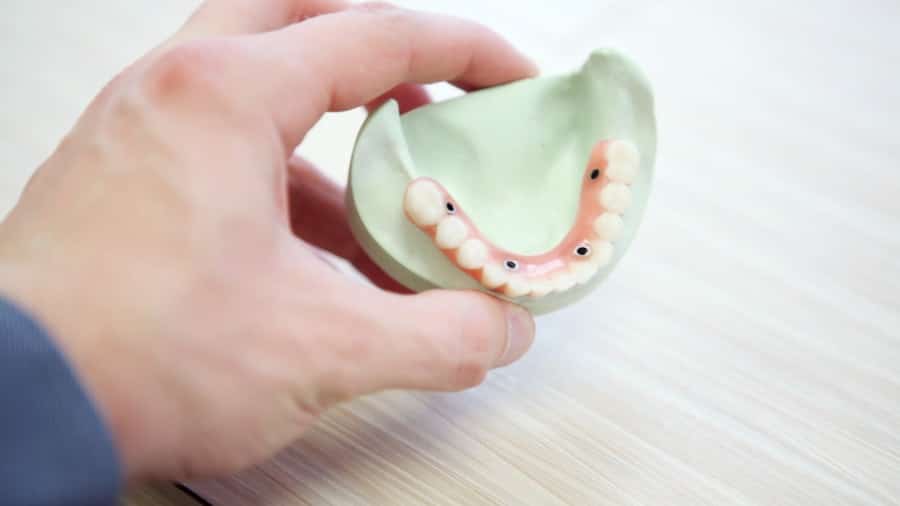
Dental implants have emerged as a revolutionary solution for those experiencing tooth loss. Unlike traditional dentures or bridges, which can sometimes feel uncomfortable or unstable, dental implants offer a more permanent and natural-feeling alternative. They consist of titanium posts that are surgically placed into the jawbone, serving as artificial roots for replacement teeth.
This innovative approach not only restores the appearance of your smile but also reinstates the functionality of your chewing ability. The appeal of dental implants lies in their ability to mimic the natural structure of teeth. Once the titanium post integrates with the jawbone—a process known as osseointegration—it provides a sturdy foundation for crowns or bridges that look and function like real teeth.
This means that you can enjoy your favorite foods without fear of discomfort or embarrassment. Additionally, dental implants help preserve jawbone density by providing the necessary stimulation that natural teeth would normally provide. As a result, they not only restore your smile but also contribute to long-term oral health.
How Dental Implants Restore Chewing Function
When you receive dental implants, you are essentially restoring your mouth’s ability to function as it was intended. The titanium posts act as strong anchors for replacement teeth, allowing you to bite and chew with confidence once again. Unlike removable dentures that may slip or shift during eating, dental implants remain securely in place, providing stability that enhances your overall eating experience.
This stability allows you to enjoy a wider variety of foods without the limitations imposed by tooth loss. Furthermore, dental implants help maintain the integrity of your jawbone. When teeth are lost, the underlying bone can begin to deteriorate due to lack of stimulation.
Dental implants provide the necessary force during chewing that encourages bone growth and maintenance. This not only helps preserve your facial structure but also ensures that your chewing function remains intact over time. By restoring both the aesthetics and functionality of your mouth, dental implants offer a comprehensive solution that enhances your quality of life.
Advantages of Dental Implants Over Other Restorative Options
When considering restorative options for tooth loss, dental implants stand out for several compelling reasons. One significant advantage is their longevity; with proper care, dental implants can last a lifetime, making them a cost-effective solution in the long run. In contrast, traditional dentures may need to be replaced or adjusted periodically due to wear and changes in the jawbone structure.
This durability means that you can invest in dental implants with confidence, knowing they will serve you well for many years. Another key benefit is the improved quality of life that dental implants provide. Unlike dentures that may limit your food choices or require special cleaning routines, dental implants function like natural teeth.
You can eat what you want without worrying about discomfort or embarrassment. Additionally, dental implants do not require altering adjacent teeth as bridges do, preserving more of your natural tooth structure. This makes them an ideal choice for those seeking a restorative option that prioritizes both functionality and aesthetics.
Considerations for Dental Implant Candidates
While dental implants offer numerous benefits, they are not suitable for everyone. Several factors must be considered when determining if you are a good candidate for this procedure. One primary consideration is the health of your jawbone; sufficient bone density is necessary for successful osseointegration.
If you have experienced significant bone loss due to tooth loss or other factors, additional procedures such as bone grafting may be required before implants can be placed. Your overall health also plays a crucial role in candidacy for dental implants. Conditions such as uncontrolled diabetes or certain autoimmune diseases may affect healing and integration processes.
Additionally, lifestyle factors such as smoking can hinder recovery and increase the risk of implant failure. It is essential to have an open discussion with your dentist about your medical history and any concerns you may have so they can provide personalized recommendations tailored to your situation.
The Process of Getting Dental Implants
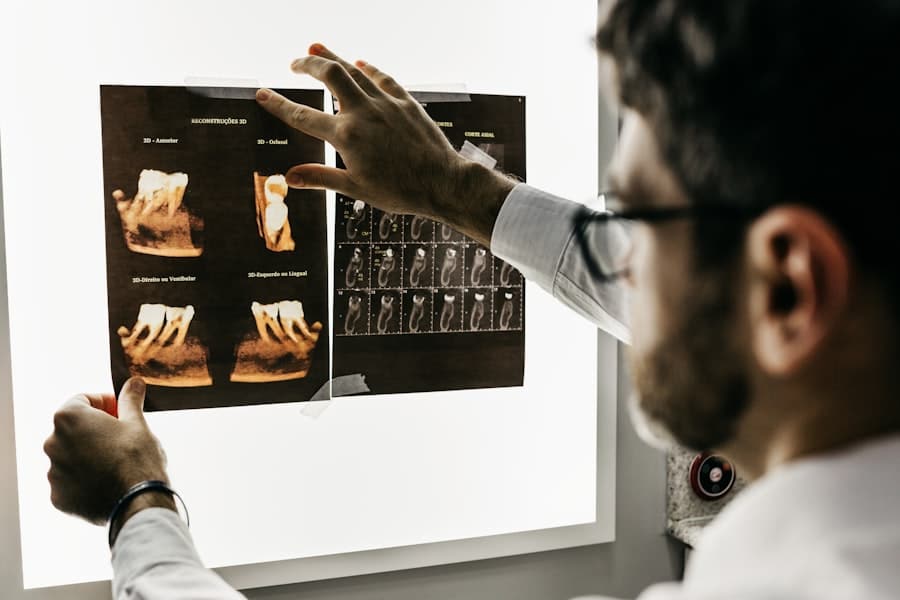
The journey to obtaining dental implants typically involves several steps, beginning with an initial consultation with your dentist or oral surgeon. During this appointment, they will evaluate your oral health and take imaging scans to assess bone density and structure. If you are deemed a suitable candidate, a treatment plan will be developed tailored to your specific needs.
The next step usually involves the surgical placement of the titanium posts into the jawbone. This procedure is often performed under local anesthesia or sedation to ensure your comfort throughout the process. After placement, there is a healing period during which osseointegration occurs—this can take several months as the bone fuses with the implant.
Once healing is complete, abutments are attached to the implants, followed by custom-made crowns that match the color and shape of your natural teeth. Throughout this process, regular follow-up appointments will be scheduled to monitor healing and ensure everything is progressing smoothly.
Maintaining Chewing Function with Dental Implants
Once you have successfully received dental implants, maintaining their function requires commitment to good oral hygiene practices. Just like natural teeth, dental implants need regular brushing and flossing to prevent plaque buildup and gum disease. Your dentist will provide specific instructions on how to care for your implants effectively, including recommendations for cleaning tools that can help reach areas around the implant.
Regular dental check-ups are also essential for monitoring the health of both your implants and surrounding tissues. These visits allow your dentist to identify any potential issues early on and address them before they become significant problems. By adhering to these maintenance practices and following professional advice, you can ensure that your dental implants continue to function optimally for years to come—allowing you to enjoy all the benefits of restored chewing function without compromise.
In conclusion, understanding the importance of chewing function highlights how integral it is to both physical health and social interactions. Tooth loss can severely impact this ability; however, dental implants offer a reliable solution that restores not only functionality but also confidence in eating and engaging with others. With their numerous advantages over traditional restorative options and a clear process for obtaining them, dental implants represent an effective way to reclaim your quality of life while maintaining optimal oral health for years ahead.
If you are considering dental implants to restore your chewing function, you may also be interested in learning about the costs associated with this procedure. Check out this article on Costs for Dental Implants in Lodi, California to get an idea of what to expect in terms of pricing. Understanding the financial aspect of dental implants can help you make an informed decision about your oral health.
FAQs
What are dental implants?
Dental implants are artificial tooth roots that are surgically placed into the jawbone to support a replacement tooth or bridge.
How do dental implants restore chewing function?
Dental implants provide a strong and stable foundation for replacement teeth, allowing individuals to chew and bite with confidence and comfort.
What are the benefits of dental implants in restoring chewing function?
Dental implants help to restore proper chewing function, improve speech, and prevent bone loss in the jaw. They also look and feel like natural teeth, providing a long-term solution for tooth replacement.
Who is a good candidate for dental implants?
Good candidates for dental implants are individuals with good oral health, adequate bone in the jaw to support the implant, and healthy gum tissues.
What is the success rate of dental implants in restoring chewing function?
The success rate of dental implants is high, with up to 98% of implants lasting for 10 years or more. Proper oral hygiene and regular dental visits are important for the long-term success of dental implants.