
When you think about dental implants, your mind may immediately jump to aesthetics or functionality in terms of chewing. However, the impact of dental health on speech is often overlooked. You might not realize that missing teeth can significantly affect how you articulate words and communicate effectively.
Dental implants serve as a revolutionary solution not only for restoring your smile but also for enhancing your ability to speak clearly. Understanding the relationship between dental implants and speech can empower you to make informed decisions about your oral health. Dental implants are artificial tooth roots that provide a permanent base for fixed, replacement teeth.
They are designed to blend seamlessly with your natural teeth, offering both durability and aesthetic appeal. But beyond their physical attributes, dental implants can play a crucial role in improving your speech. When you lose a tooth, the gap can lead to changes in how you pronounce certain sounds, which can be frustrating and embarrassing.
By restoring your dental structure with implants, you can regain not just your smile but also your confidence in speaking.
Key Takeaways
- Dental implants can have a significant impact on speech articulation and confidence.
- Missing teeth can affect speech by causing difficulty in pronouncing certain sounds.
- Dental implants improve articulation by providing stability and support for the tongue and lips.
- Restoring missing teeth with implants can boost confidence in speech and overall communication.
- Proper placement of dental implants is crucial for improving speech and pronunciation.
The Impact of Missing Teeth on Speech
Missing teeth can create a myriad of challenges when it comes to speech. You may find that certain sounds become difficult to pronounce, leading to slurred or unclear speech. For instance, the absence of front teeth can hinder your ability to articulate “s” and “th” sounds effectively.
This can result in a speech pattern that is not only hard for others to understand but may also make you feel self-conscious about communicating in social or professional settings. Moreover, the psychological effects of missing teeth can further exacerbate speech issues. You might feel embarrassed or anxious about speaking, leading you to avoid conversations altogether.
This avoidance can create a cycle of isolation and frustration, impacting your overall quality of life. The emotional toll of feeling less confident in your speech can be just as significant as the physical challenges posed by missing teeth. Recognizing these impacts is the first step toward seeking solutions that can restore both your dental health and your ability to communicate effectively.
How Dental Implants Improve Articulation
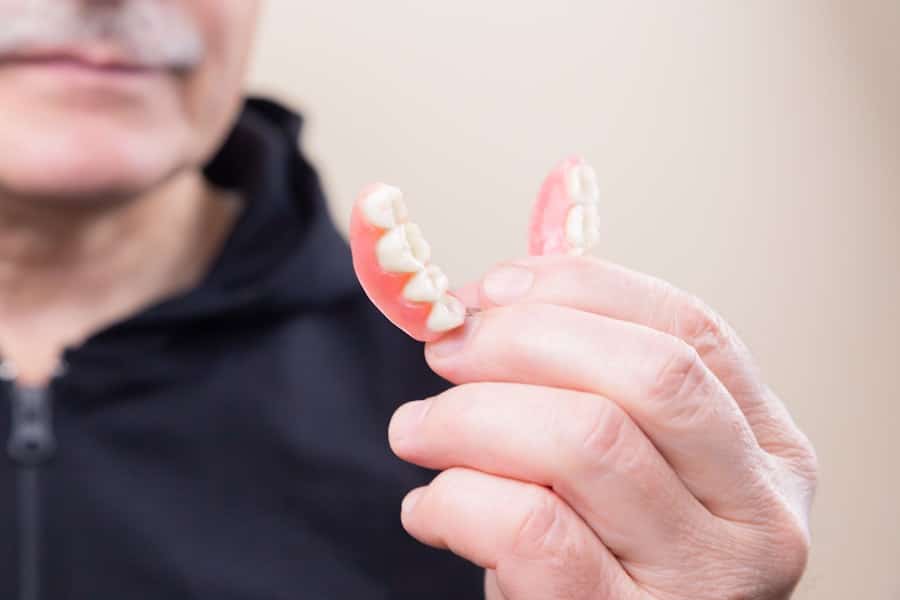
Dental implants can significantly enhance your articulation by providing a stable foundation for replacement teeth. When you have a complete set of teeth, your mouth functions optimally, allowing you to produce sounds accurately. Implants fill the gaps left by missing teeth, enabling you to regain the full range of motion necessary for clear speech.
With a secure and natural-feeling replacement, you can articulate words without the fear of slippage or discomfort. Additionally, dental implants help maintain the structure of your jawbone, which is crucial for proper speech. When teeth are lost, the jawbone can begin to deteriorate over time, leading to changes in facial structure and further complicating speech patterns.
By placing dental implants, you stimulate the jawbone and prevent bone loss, ensuring that your mouth retains its shape and function. This stability not only aids in articulation but also contributes to a more confident speaking experience.
The Role of Dental Implants in Restoring Confidence in Speech
The psychological benefits of dental implants extend far beyond physical appearance; they play a vital role in restoring your confidence in speech. When you have missing teeth, you may feel self-conscious about how others perceive you during conversations. This lack of confidence can lead to hesitance in speaking up or engaging in discussions, which can affect both personal and professional relationships.
Once you receive dental implants, you may notice a remarkable shift in your self-esteem. With a complete smile and improved speech clarity, you are likely to feel more comfortable expressing yourself. This newfound confidence can encourage you to participate more actively in social situations, fostering connections and enhancing your overall quality of life.
The ability to communicate effectively without fear of judgment is invaluable, and dental implants can be a transformative step toward reclaiming that aspect of your identity.
The Connection Between Dental Implants and Pronunciation
Pronunciation is intricately linked to the structure of your mouth and teeth. When you lose a tooth, especially in the front or side areas, it can disrupt the way sounds are formed. Certain letters require specific tongue placements against the teeth; without them, you may struggle with clarity.
Dental implants serve as a functional replacement that allows for proper tongue positioning and airflow during speech. Furthermore, the presence of dental implants helps restore the natural balance within your mouth. This balance is essential for producing sounds accurately and confidently.
As you adjust to speaking with implants, you’ll likely find that your pronunciation improves over time. The implants provide a sense of normalcy that allows you to focus on communication rather than worrying about how you sound.
Speech Therapy and Dental Implants

In some cases, individuals may benefit from speech therapy following the placement of dental implants. While implants can significantly improve articulation and pronunciation, working with a speech therapist can help you maximize these benefits. A therapist can provide tailored exercises designed to strengthen your speech muscles and improve clarity further.
Engaging in speech therapy after receiving dental implants can also help ease any anxiety you may have about speaking. A professional can guide you through techniques that enhance your confidence while addressing any lingering issues related to articulation or pronunciation. This collaborative approach ensures that you not only regain your ability to speak clearly but also feel empowered in your communication skills.
The Importance of Proper Dental Implant Placement for Speech Improvement
The success of dental implants in improving speech largely depends on their proper placement. An experienced dentist will carefully assess your oral structure before proceeding with the implantation process. Correct positioning is crucial for ensuring that the implants function effectively and support your speech needs.
If dental implants are not placed correctly, they may not provide the necessary support for articulation or could even lead to discomfort while speaking. Therefore, it’s essential to choose a qualified professional who understands the intricate relationship between dental health and speech. By prioritizing proper placement, you set yourself up for success in both functionality and communication.
The Overall Benefits of Dental Implants for Speech
In conclusion, dental implants offer far-reaching benefits that extend beyond mere aesthetics or chewing functionality; they play a pivotal role in enhancing speech clarity and confidence. By addressing the challenges posed by missing teeth, implants restore not only your smile but also your ability to communicate effectively with others. The connection between dental health and speech is profound, and understanding this relationship empowers you to take proactive steps toward improving both.
As you consider options for restoring your dental health, remember that dental implants could be the key to unlocking a more confident version of yourself. With improved articulation, pronunciation, and overall communication skills, you’ll find that engaging with others becomes a more enjoyable experience. Embracing this transformative journey could lead to newfound opportunities in both personal and professional realms—making dental implants an investment worth considering for anyone facing the challenges of missing teeth.
If you are considering dental implants to improve your speech, you may also be interested in learning about the costs associated with this procedure. Check out this article on Costs for Dental Implants in Bridgeport, Connecticut to get an idea of what to expect in terms of pricing. Understanding the financial aspect of dental implants can help you make an informed decision about your oral health.
FAQs
What are dental implants?
Dental implants are artificial tooth roots that are placed in the jaw to support a replacement tooth or bridge. They are a popular and effective long-term solution for people who suffer from missing teeth, failing teeth, or chronic dental problems.
How do dental implants improve speech?
Dental implants can improve speech by providing a stable and secure foundation for replacement teeth. Missing teeth can cause speech problems such as slurring or mumbling, and dental implants can help to restore proper speech patterns by filling in the gaps and providing support for the tongue and lips.
Can anyone get dental implants to improve speech?
Not everyone is a suitable candidate for dental implants. Factors such as overall health, jawbone density, and gum health can affect the success of dental implant surgery. It is best to consult with a qualified dentist or oral surgeon to determine if dental implants are a suitable option for improving speech.
Are there any risks or complications associated with dental implants?
As with any surgical procedure, there are risks and potential complications associated with dental implants. These can include infection, nerve damage, and implant failure. However, with proper planning and care, the success rate for dental implant surgery is high, and the benefits for speech improvement can be significant.
How long do dental implants last?
With proper care and maintenance, dental implants can last a lifetime. It is important to practice good oral hygiene, including regular brushing and flossing, and to attend regular dental check-ups to ensure the longevity of dental implants.