
When you think about dental health, the importance of a complete and functional smile cannot be overstated. Dental implants have emerged as a revolutionary solution for those who have lost teeth due to injury, decay, or other dental issues. Essentially, a dental implant is a titanium post that is surgically placed into your jawbone, acting as a sturdy foundation for replacement teeth.
This innovative approach mimics the natural tooth root, providing stability and support for crowns, bridges, or dentures. By understanding the mechanics of dental implants, you can appreciate how they restore not just your smile but also your confidence and ability to chew effectively. The process of getting dental implants involves several steps, beginning with a thorough evaluation by your dentist or oral surgeon.
They will assess your oral health, bone density, and overall suitability for the procedure. If you have sufficient bone mass, the implant can be placed directly into your jawbone. If not, you may require a bone graft to create a solid base for the implant.
Once the implant is securely in place, it will undergo a healing process known as osseointegration, where the bone fuses with the implant, ensuring a strong and lasting bond. This understanding of dental implants highlights their role as a long-term solution for tooth loss, offering both functionality and aesthetic appeal.
Key Takeaways
- Dental implants are artificial tooth roots that are placed in the jaw to support a replacement tooth or bridge.
- Potential risks of dental implants include infection, nerve damage, and implant failure.
- Benefits of dental implants include improved appearance, speech, comfort, and oral health.
- Candidates for dental implants should have good oral and overall health, adequate bone density, and a commitment to oral hygiene.
- The procedure of getting dental implants involves a consultation, implant placement, and placement of the artificial tooth or bridge.
Potential Risks of Dental Implants
While dental implants are generally considered safe and effective, it is essential to be aware of the potential risks involved in the procedure. As with any surgical intervention, complications can arise. One of the most common risks is infection at the implant site.
This can occur if bacteria enter the area during or after surgery, leading to inflammation and discomfort. Proper oral hygiene and following your dentist’s post-operative care instructions are crucial in minimizing this risk. Additionally, if you have pre-existing health conditions such as diabetes or autoimmune disorders, your risk of complications may increase.
Another potential risk is implant failure, which can occur if the implant does not properly integrate with the jawbone. Factors such as insufficient bone density, excessive smoking, or poor oral hygiene can contribute to this issue. In some cases, nerve damage may also occur during the surgical procedure, leading to numbness or tingling in the surrounding areas.
Understanding these risks allows you to make an informed decision about whether dental implants are the right choice for you. By discussing your concerns with your dentist and adhering to their recommendations, you can significantly reduce the likelihood of complications.
Benefits of Dental Implants
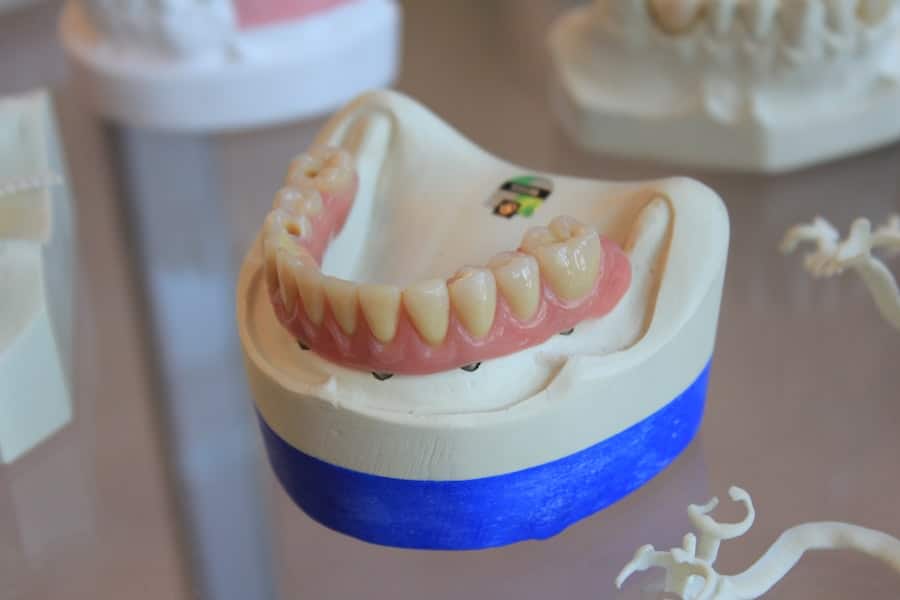
The advantages of dental implants extend far beyond mere aesthetics; they offer a multitude of benefits that can enhance your quality of life. One of the most significant benefits is improved functionality. Unlike dentures that may slip or require adhesives, dental implants provide a stable and secure solution for chewing and speaking.
You can enjoy your favorite foods without fear of discomfort or embarrassment. This newfound confidence can positively impact your social interactions and overall self-esteem. In addition to functionality, dental implants also promote better oral health.
When you lose a tooth, the surrounding bone can begin to deteriorate due to lack of stimulation. Implants help preserve bone density by providing the necessary support that natural teeth would offer. This not only maintains your facial structure but also prevents further tooth loss.
Furthermore, dental implants do not require altering adjacent teeth, as is often necessary with bridges. This preservation of natural teeth contributes to long-term oral health and reduces the risk of future dental issues.
Who is a Candidate for Dental Implants
Determining whether you are a suitable candidate for dental implants involves several factors that your dentist will evaluate during your consultation. Generally speaking, candidates should be in good overall health and have healthy gums free from periodontal disease. Additionally, sufficient bone density is crucial for supporting the implant; if you have experienced significant bone loss, your dentist may recommend a bone grafting procedure before proceeding with implants.
Age is another consideration; while there is no upper age limit for receiving dental implants, younger patients whose jawbones are still developing may need to wait until their growth is complete. Lifestyle choices also play a role; for instance, smoking can hinder healing and increase the risk of complications. If you are committed to maintaining good oral hygiene and following your dentist’s recommendations, you are more likely to be an ideal candidate for this transformative procedure.
The Procedure of Getting Dental Implants
The journey to obtaining dental implants typically unfolds over several appointments and stages, beginning with an initial consultation where your dentist will assess your oral health and discuss your goals. Once you are deemed a suitable candidate, the first step involves placing the titanium post into your jawbone under local anesthesia or sedation. This surgical procedure usually takes about one to two hours per implant and may involve incisions in the gum tissue to access the jawbone.
After the implant is placed, a healing period of several months follows during which osseointegration occurs. During this time, the bone fuses with the implant, creating a strong foundation for your new tooth. Once healing is complete, you will return to your dentist for the placement of an abutment—a small connector piece that will hold your crown in place.
Finally, after taking impressions of your mouth to create a custom crown that matches your natural teeth, your dentist will attach it to the abutment. This multi-step process ensures that each component fits perfectly and functions seamlessly.
Aftercare and Maintenance of Dental Implants

Once you have successfully received dental implants, proper aftercare is essential for ensuring their longevity and functionality. Maintaining excellent oral hygiene is paramount; brushing twice daily and flossing regularly will help prevent plaque buildup around the implant site. Your dentist may recommend using an antibacterial mouthwash to further reduce the risk of infection during the healing process.
Regular dental check-ups are also crucial for monitoring the health of your implants and surrounding tissues. During these visits, your dentist will assess the condition of your gums and ensure that there are no signs of complications such as peri-implantitis—a condition characterized by inflammation around the implant. By staying proactive about your oral care routine and attending follow-up appointments, you can significantly enhance the lifespan of your dental implants.
Long-term Success and Durability of Dental Implants
One of the most appealing aspects of dental implants is their impressive durability and long-term success rate. With proper care and maintenance, dental implants can last for many years—often 10 years or more—making them a cost-effective solution in the long run. Studies indicate that success rates for dental implants can exceed 95%, particularly when patients adhere to good oral hygiene practices and attend regular dental check-ups.
The longevity of dental implants is attributed to their biocompatibility with human bone tissue and their ability to integrate seamlessly into your jawbone. Unlike other tooth replacement options that may require replacement or adjustment over time, implants provide a stable solution that mimics natural teeth in both function and appearance. This durability not only enhances your quality of life but also contributes positively to your overall oral health.
Cost and Insurance Coverage for Dental Implants
Understanding the financial aspect of dental implants is crucial when considering this option for tooth replacement. The cost of dental implants can vary widely based on factors such as location, complexity of the case, and whether additional procedures like bone grafting are necessary. On average, you might expect to pay anywhere from $3,000 to $4,500 per implant, including the surgical procedure and crown placement.
Insurance coverage for dental implants can also differ significantly among providers. While some plans may cover a portion of the costs associated with implants, others may classify them as elective procedures with limited or no coverage. It’s advisable to consult with your insurance provider to understand what benefits may apply to you.
Additionally, many dental offices offer financing options or payment plans that can help make this investment more manageable. By exploring all available options and discussing them with your dentist, you can find a solution that fits both your needs and budget. In conclusion, dental implants represent a significant advancement in restorative dentistry that offers numerous benefits for those seeking to replace missing teeth.
By understanding their function, potential risks, candidacy requirements, procedural steps, aftercare needs, long-term durability, and financial considerations, you can make an informed decision about whether this option is right for you. With proper care and maintenance, dental implants can provide a lasting solution that enhances both your smile and overall quality of life.
If you are considering dental implants, it is important to weigh the risks and rewards before making a decision. One related article that may be helpful is “Costs for Dental Implants in Iowa City, Iowa.” This article discusses the financial aspect of getting dental implants in a specific location, providing valuable information for those looking to undergo this procedure. To learn more about the costs associated with dental implants in different areas, check out this article.
FAQs
What are dental implants?
Dental implants are artificial tooth roots that are surgically placed into the jawbone to support a replacement tooth or bridge.
What are the benefits of dental implants?
Dental implants can improve the appearance of your smile, restore proper chewing and speech, and provide long-term durability compared to other tooth replacement options.
What are the risks of dental implants?
Some potential risks of dental implants include infection at the implant site, damage to surrounding teeth or blood vessels, and nerve damage.
Who is a good candidate for dental implants?
Good candidates for dental implants are individuals with good oral health, adequate bone density in the jaw, and healthy gums.
How long do dental implants last?
With proper care and maintenance, dental implants can last a lifetime. However, the longevity of implants can vary depending on individual factors such as oral hygiene and overall health.
What is the success rate of dental implants?
The success rate of dental implants is high, with studies showing a success rate of over 95% for most patients. However, success rates can vary depending on individual circumstances.