
When you think about dental health, you might picture regular check-ups, cleanings, and perhaps the occasional filling. However, if you find yourself facing tooth loss, dental implants could be a transformative solution for you. Essentially, dental implants are artificial tooth roots made from biocompatible materials, typically titanium, that are surgically placed into your jawbone.
They serve as a sturdy foundation for replacement teeth, which can be crowns, bridges, or dentures. Unlike traditional dentures or bridges, which can slip or require adhesives, implants are designed to integrate with your bone structure, providing a permanent and stable solution. The beauty of dental implants lies not only in their functionality but also in their aesthetic appeal.
Once the procedure is complete and healing has occurred, the implants can be fitted with natural-looking crowns that blend seamlessly with your existing teeth. This means you can regain not just your ability to chew and speak comfortably but also your confidence in your smile. As you consider this option, it’s essential to understand that dental implants require a commitment to oral hygiene and regular dental visits to ensure their longevity and success.
Key Takeaways
- Dental implants are artificial tooth roots that are surgically placed into the jawbone to support a replacement tooth or bridge.
- During the consultation process, expect to discuss your medical history, undergo a dental exam, and possibly have X-rays or 3D imaging taken.
- Preparing for the procedure may involve quitting smoking, adjusting medications, and following a special diet.
- The dental implants procedure involves several steps, including the placement of the implant, the healing process, and the attachment of the replacement tooth.
- Aftercare for dental implants includes maintaining good oral hygiene, attending follow-up appointments, and being aware of potential complications such as infection or implant failure.
The Consultation Process: What to Expect
Understanding the Procedure
Your dentist will explain the entire process, including the benefits and potential risks associated with dental implants. This is your chance to understand what to expect at each stage of the procedure and how it will impact your daily life.
Empowered Decision-Making
By the end of this consultation, you should feel more informed and empowered to make decisions about your dental health.
Preparing for the Procedure: Steps and Considerations
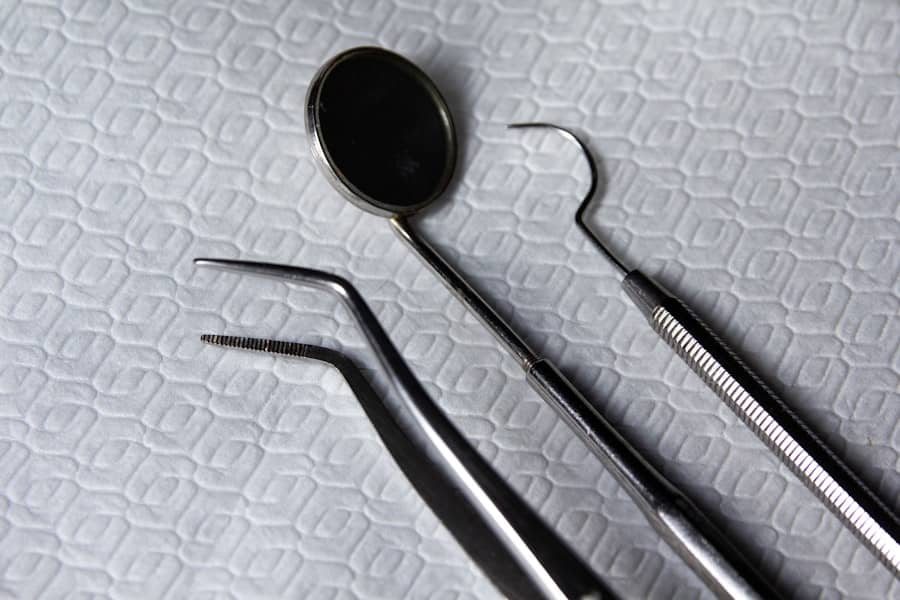
Once you’ve decided to move forward with dental implants, preparation becomes key. Your dentist will provide you with specific instructions tailored to your situation. This may include dietary recommendations, such as avoiding certain foods that could complicate the procedure or recovery.
Additionally, if you smoke, you may be advised to quit or reduce smoking prior to surgery, as it can hinder healing and increase the risk of complications. Another important aspect of preparation is ensuring that any underlying dental issues are addressed before the implant procedure. This might involve treating gum disease or extracting any remaining problematic teeth.
You may also need to consider your schedule; planning for time off work or arranging for someone to assist you during the initial recovery phase can make a significant difference in your overall experience.
The Dental Implants Procedure: Step by Step
The dental implant procedure typically unfolds in several stages, each designed to ensure the best possible outcome for you. The first step involves placing the implant itself into your jawbone under local anesthesia or sedation, depending on your comfort level. Your dentist will create a small incision in your gum tissue to access the bone and then carefully insert the titanium post.
After this step, a healing period of several months is necessary for osseointegration—the process by which the bone grows around the implant, securing it firmly in place. Once osseointegration is complete, you will return to your dentist for the next phase: placing the abutment. This small connector piece sits on top of the implant and holds the crown in place.
Your dentist will again make an incision in your gum tissue to attach the abutment, after which another healing period will follow. Finally, once everything has healed properly, impressions will be taken to create a custom crown that matches your natural teeth. The crown is then securely attached to the abutment, completing your new smile.
Recovery and Aftercare: What to Know
After undergoing dental implant surgery, understanding the recovery process is essential for ensuring a smooth healing experience. Initially, you may experience some swelling, discomfort, or bruising around the surgical site; these symptoms are normal and can usually be managed with prescribed pain medication or over-the-counter pain relievers. It’s important to follow your dentist’s aftercare instructions closely, which may include recommendations for diet modifications—such as sticking to soft foods—and maintaining proper oral hygiene without disturbing the surgical area.
As you recover, regular follow-up appointments will be necessary to monitor your healing progress. Your dentist will check for any signs of infection or complications and ensure that everything is healing as expected. Staying vigilant about oral hygiene during this time is crucial; gentle brushing and rinsing with saltwater can help keep the area clean while minimizing discomfort.
Potential Complications and Risks: What to be Aware of
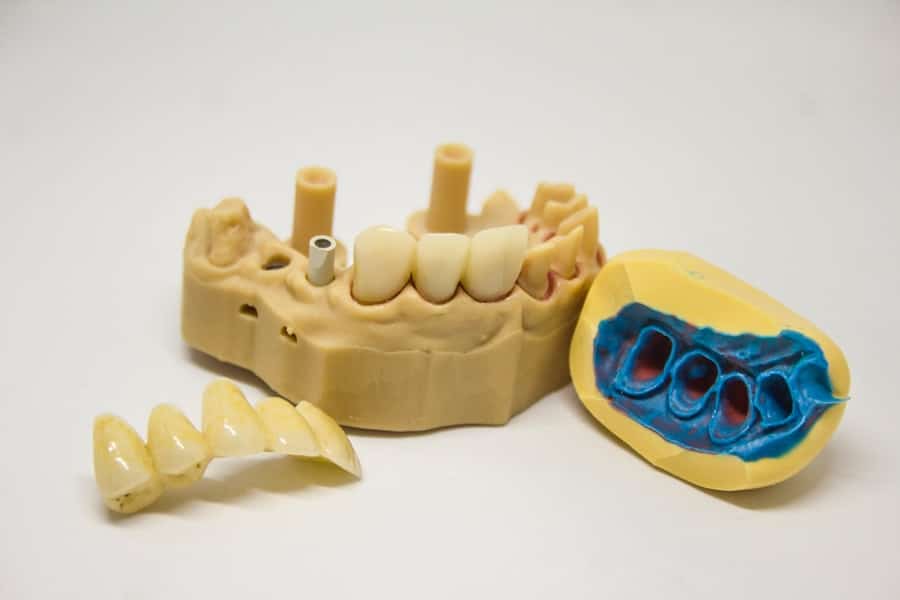
While dental implants boast a high success rate, it’s important to be aware of potential complications and risks associated with the procedure. One common concern is infection at the implant site, which can occur if proper aftercare isn’t followed or if pre-existing conditions like gum disease are not adequately managed beforehand. Additionally, there’s a risk of implant failure due to insufficient bone density or improper placement during surgery.
Another consideration is nerve damage, which can lead to numbness or tingling in the gums or lips if not handled carefully during the procedure. While these risks are relatively rare, being informed allows you to discuss them openly with your dentist and take proactive steps to mitigate them. Understanding these potential complications can help you feel more prepared and confident as you move forward with your dental implant journey.
Long-term Results: What to Expect
One of the most appealing aspects of dental implants is their potential for long-term success when properly cared for. With good oral hygiene practices—such as regular brushing and flossing—as well as routine dental check-ups, many patients enjoy their implants for decades without issues. Unlike traditional dentures that may need replacement every few years due to wear and tear, implants are designed to be a permanent solution.
However, it’s essential to remember that while implants themselves are durable, surrounding tissues must also be healthy for long-term success. This means maintaining good gum health is crucial; gum disease can jeopardize the stability of your implants over time. By committing to a proactive approach to oral care and staying in touch with your dentist for regular evaluations, you can maximize the longevity of your new smile.
Cost and Financing Options: Planning for Your New Smile
As you consider dental implants as a solution for tooth loss, understanding the financial aspect is vital. The cost of dental implants can vary significantly based on factors such as location, complexity of the case, and whether additional procedures—like bone grafting—are necessary. On average, you might expect to pay anywhere from $3,000 to $4,500 per implant; however, this figure can fluctuate based on individual circumstances.
Fortunately, many dental practices offer financing options or payment plans that can make this investment more manageable for you. Additionally, some insurance plans may cover a portion of the costs associated with dental implants; it’s worth checking with your provider to understand what benefits may apply. By exploring these options and discussing them with your dentist’s office staff, you can create a financial plan that allows you to achieve the smile you desire without undue stress on your budget.
In conclusion, embarking on the journey toward dental implants involves understanding various aspects—from initial consultations through recovery and long-term care. By being informed about each step of the process and actively participating in your oral health decisions, you can look forward to enjoying a restored smile that enhances both function and confidence for years to come.
If you are considering getting dental implants, it is important to understand the costs associated with the procedure. A related article on costs for dental implants in Greensboro, North Carolina provides valuable information on what to expect financially. The article discusses the average cost of dental implants in the area and factors that can affect the overall price. To learn more about the costs for dental implants in Greensboro, North Carolina, visit this link.
FAQs
What are dental implants?
Dental implants are artificial tooth roots that are placed into the jaw to hold a replacement tooth or bridge. They provide a strong foundation for fixed or removable replacement teeth.
Who is a good candidate for dental implants?
Good candidates for dental implants are individuals with good oral health, enough bone in the jaw to support the implant, and healthy gum tissues. They should also be committed to maintaining good oral hygiene and regular dental visits.
What is the procedure for getting dental implants?
The dental implant procedure involves several steps, including initial consultation, implant placement, healing period, abutment placement, and placement of the artificial tooth. The process can take several months to complete.
What are the benefits of dental implants?
Dental implants offer several benefits, including improved appearance, better speech, enhanced comfort, easier eating, improved oral health, and durability. They also help preserve facial structure and prevent bone loss.
What is the success rate of dental implants?
The success rate of dental implants varies, but it is generally high. With proper care, dental implants can last a lifetime. The success rate is also influenced by the patient’s overall health and oral hygiene habits.
What is the cost of dental implants?
The cost of dental implants can vary depending on the number of implants needed, the type of implant, and any additional procedures required. It is best to consult with a dentist to get an accurate cost estimate.