
As you prepare for dental implant surgery, it’s essential to gather as much information as possible to ensure a smooth experience. Understanding the procedure itself is crucial. Dental implants are artificial tooth roots that provide a permanent base for fixed or removable replacement teeth.
Before the surgery, your dentist will conduct a thorough examination, which may include X-rays or 3D imaging, to assess the condition of your jawbone and determine the best approach for your specific needs. This initial consultation is also an excellent opportunity for you to ask questions and express any concerns you may have about the procedure. In addition to understanding the technical aspects of the surgery, you should also consider your overall health and any medications you are currently taking.
Inform your dentist about any pre-existing conditions, allergies, or medications that could affect the surgery or recovery process. Depending on your situation, your dentist may recommend certain lifestyle changes leading up to the procedure, such as quitting smoking or adjusting your diet. Preparing mentally and physically for the surgery can significantly impact your recovery and overall experience.
Key Takeaways
- Before dental implant surgery, it’s important to have a thorough dental examination and discuss any medical conditions or medications with your dentist.
- After surgery, managing pain and swelling is crucial, and your dentist may prescribe pain medication and recommend using ice packs to reduce swelling.
- The long-term healing process for dental implants can take several months, and it’s important to follow your dentist’s instructions for a successful recovery.
- Following surgery, it’s best to stick to a soft food diet and avoid hard, crunchy, or sticky foods that could disrupt the implant site.
- Keeping the implant site clean is essential for oral hygiene, and your dentist may recommend using a special mouthwash or oral irrigator to maintain cleanliness.
Immediate Post-Operative Care: Managing Pain and Swelling
Managing Discomfort and Pain
Your dentist will likely prescribe pain medication or recommend over-the-counter options to help alleviate any discomfort. Taking these medications as directed can make a significant difference in your recovery experience.
Reducing Swelling and Promoting Healing
Applying an ice pack to the outside of your cheek can help reduce swelling and numb the area, providing further relief. Rest is also a vital component of your immediate post-operative care. You should plan to take it easy for at least the first 24 hours after surgery. Avoid strenuous activities and Allow Your Body to Heal
Staying in an upright position can help minimize swelling, so consider propping yourself up with pillows while resting.
Monitoring Your Recovery
Remember that everyone’s recovery process is different; listen to your body and don’t hesitate to reach out to your dentist if you have any concerns about your pain levels or swelling.
Long-Term Healing Process: Understanding the Recovery Timeline
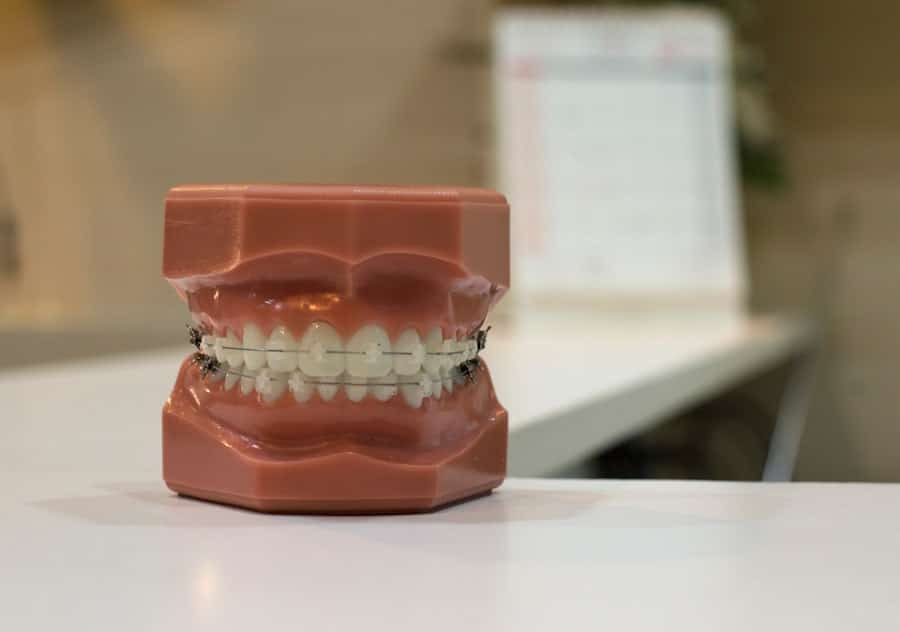
The healing process following dental implant surgery can vary from person to person, but understanding the general timeline can help set your expectations. In the first few days post-surgery, you may experience swelling and discomfort, which should gradually subside within a week. During this time, it’s essential to follow your dentist’s post-operative instructions closely, including any recommendations for diet and oral hygiene.
After about a week, you should be able to return to most of your normal activities, although you may still need to avoid hard or crunchy foods. As the weeks progress, you’ll notice further improvements in your comfort level and functionality. Typically, the dental implant will take several months to fully integrate with your jawbone through a process called osseointegration.
This is a critical phase where the bone grows around the implant, securing it in place. Your dentist will schedule follow-up appointments to monitor this process and ensure everything is healing as expected. Patience is key during this time; while it may feel like a long wait, the end result will be worth it.
Diet and Nutrition: What to Eat (and Avoid) After Dental Implant Surgery
Your diet plays a significant role in your recovery after dental implant surgery. In the initial days following the procedure, it’s advisable to stick to soft foods that require minimal chewing. Foods like yogurt, applesauce, mashed potatoes, and smoothies can provide essential nutrients without putting undue stress on your healing gums.
Staying hydrated is equally important; make sure you drink plenty of water throughout the day. As you progress in your recovery, you can gradually reintroduce more solid foods into your diet. However, it’s crucial to avoid hard, crunchy, or sticky foods that could disrupt the healing process or damage the implant site.
Foods like nuts, popcorn, and chewy candies should be avoided until you receive clearance from your dentist. Additionally, be cautious with hot foods and beverages; they can irritate the surgical site and increase discomfort. Listening to your body and making mindful choices about what you eat will support your healing journey.
Oral Hygiene: Tips for Keeping the Implant Site Clean and Healthy
Maintaining proper oral hygiene is vital for ensuring the success of your dental implants. After surgery, your dentist will provide specific instructions on how to care for the implant site while it heals. Generally, you should avoid brushing directly on the surgical area for at least a few days; instead, focus on gently cleaning the surrounding teeth and gums with a soft-bristled toothbrush.
Once you receive clearance from your dentist, you can begin incorporating gentle brushing around the implant site. Using an antibacterial mouthwash can also help keep bacteria at bay and promote healing. Flossing is essential as well; however, be cautious not to disturb the implant area too aggressively.
Your dentist may recommend special flossing tools or techniques tailored for implant care. By prioritizing oral hygiene during your recovery, you’ll set yourself up for long-term success with your dental implants.
Potential Complications: Recognizing Signs of Infection or Other Issues

While dental implant surgery is generally safe and successful, it’s essential to be aware of potential complications that could arise during your recovery. One of the most common concerns is infection at the surgical site. Signs of infection may include increased swelling, redness, or discharge from the area, as well as persistent pain that doesn’t improve with medication.
If you notice any of these symptoms, it’s crucial to contact your dentist immediately for evaluation and treatment. Other complications may include issues with osseointegration or damage to surrounding teeth or nerves during surgery. While these occurrences are rare, being vigilant about any unusual sensations or changes in your mouth can help catch problems early on.
Trusting your instincts and communicating openly with your dental team will ensure that any issues are addressed promptly.
Follow-Up Appointments: Monitoring Healing and Adjusting Treatment as Needed
Follow-up appointments are an integral part of your recovery process after dental implant surgery. Your dentist will schedule these visits to monitor how well you’re healing and ensure that the implant is integrating properly with your jawbone. During these appointments, they may take X-rays or perform other assessments to evaluate progress.
These visits also provide an opportunity for you to discuss any concerns or questions that may arise during your recovery. If you’re experiencing discomfort or have noticed anything unusual, don’t hesitate to bring it up during these appointments. Your dentist can adjust your treatment plan as needed based on their observations and your feedback, ensuring that you’re on track for a successful outcome.
Embracing the Results: Enjoying the Benefits of Dental Implants
After months of healing and care, you’ll finally be able to embrace the results of your dental implant surgery. The benefits of dental implants extend far beyond aesthetics; they can significantly improve your quality of life by restoring functionality and confidence in your smile. You’ll likely find that eating becomes more enjoyable again as you can bite into foods without fear of discomfort or embarrassment.
Moreover, dental implants can help maintain jawbone health by preventing bone loss that often occurs after tooth loss. This means not only will you enjoy a beautiful smile, but you’ll also be investing in long-term oral health. As you adjust to life with dental implants, take a moment to appreciate how far you’ve come in this journey toward better oral health and well-being.
Embracing these results will empower you to maintain good habits that support both your implants and overall dental health for years to come.
If you are considering dental implant surgery, it is important to be aware of the costs associated with the procedure. A related article on costs for dental implants in Fort Worth, Texas provides valuable information on what to expect in terms of financial investment. Understanding the expenses involved can help you prepare for the healing journey after surgery and ensure that you receive the best possible care. To learn more about the costs for dental implants in Fort Worth, Texas, visit this article.
FAQs
What is dental implant surgery?
Dental implant surgery is a procedure to replace missing teeth with artificial teeth that look and function like natural ones. It involves placing a metal post into the jawbone and attaching a custom-made artificial tooth to it.
What can I expect after dental implant surgery?
After dental implant surgery, you can expect some discomfort, swelling, and bruising in the gums and face. You may also experience minor bleeding and have to follow a soft food diet for a few days.
How long does it take to recover from dental implant surgery?
The recovery time from dental implant surgery varies from person to person, but it generally takes a few days to a week for the initial discomfort and swelling to subside. It can take several months for the implant to fully integrate with the jawbone.
What are the potential risks and complications of dental implant surgery?
Potential risks and complications of dental implant surgery include infection, nerve damage, implant failure, and sinus problems. It’s important to follow post-operative care instructions and attend follow-up appointments to minimize these risks.
When can I resume normal activities after dental implant surgery?
You may be able to resume normal activities within a few days after dental implant surgery, but it’s important to avoid strenuous activities and follow your dentist’s recommendations for a full recovery.