
You’ve likely encountered the phrase “Same Day Dental Implants Tucker Hill McKinney” during your research into restorative dental options. It’s a term that promises a swift solution to the inconvenience and self-consciousness that missing teeth can bring. This article aims to provide you with a comprehensive, factual overview of this advanced dental procedure, helping you understand what it entails, its potential benefits, and what you can expect if you are considering it at Tucker Hill McKinney.
The concept of “same day” dental implants refers to a process where a dental implant, a titanium post that serves as an artificial tooth root, and often a temporary crown are placed during a single appointment. This contrasts with traditional implant procedures which can span several months, involving multiple surgical visits and healing periods.
The Fundamental Principles of Dental Implants
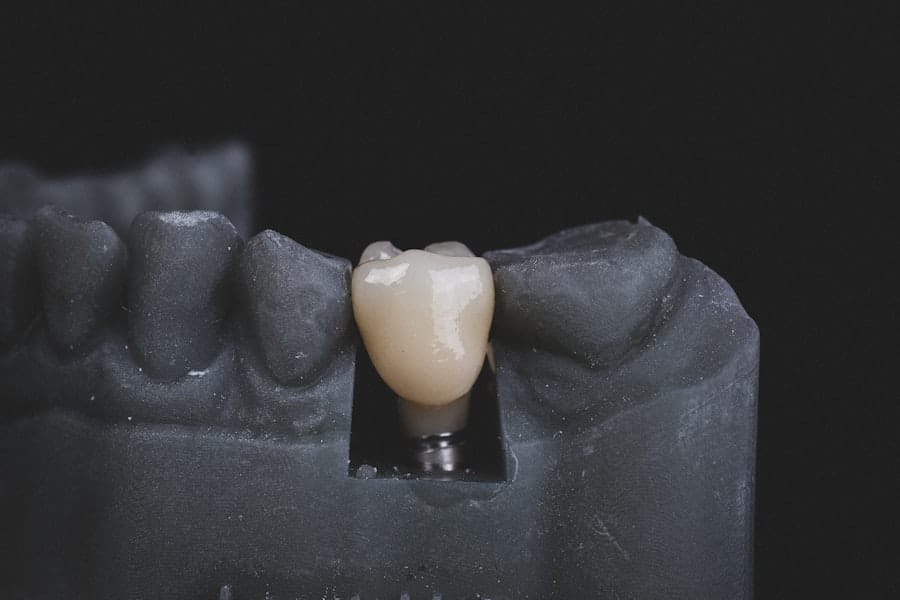
Before delving into the “same day” aspect, it’s crucial to grasp the core of what a dental implant is. Imagine a sturdy foundation for a house. A dental implant functions similarly for your new tooth. It’s a screw-like fixture, typically made of titanium, surgically embedded into your jawbone. This titanium post then fuses with your bone over time through a process called osseointegration, creating a stable base.
What is Osseointegration?
Osseointegration is the biological marvel that makes dental implants so successful. It’s the direct contact and structural connection between living bone and the surface of a load-bearing artificial implant. Your body views the titanium implant not as a foreign object, but as a part of itself, allowing it to integrate seamlessly. This process can take several months to fully complete, which is why traditional implant placement requires a waiting period before attaching the final restoration.
The Components of a Dental Implant
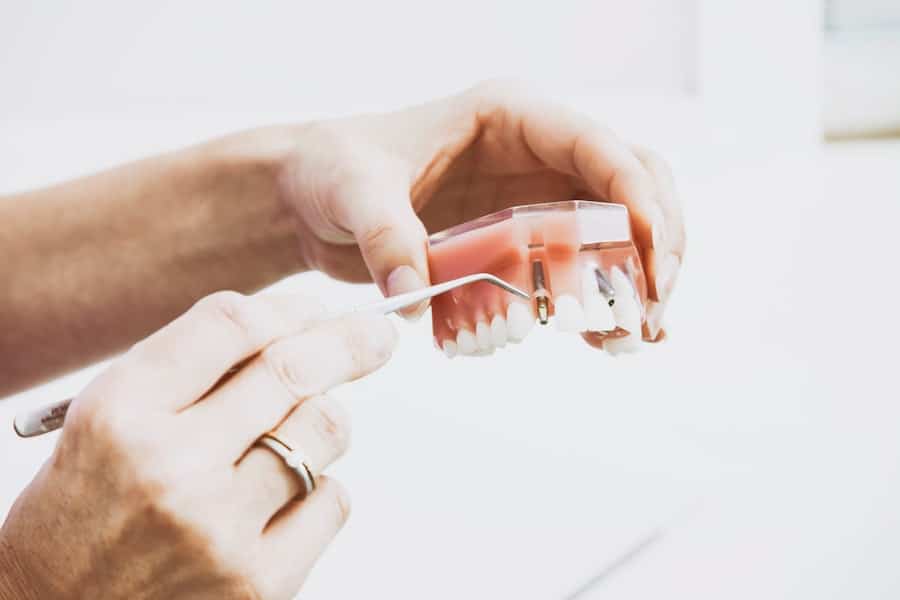
A complete dental implant restoration typically consists of three main parts:
- The Implant Fixture: This is the titanium post that is surgically placed into the jawbone.
- The Abutment: This is a connector piece that attaches to the implant fixture and protrudes above the gum line. It acts as a base for the final prosthetic tooth.
- The Crown/Prosthesis: This is the visible artificial tooth that is attached to the abutment, restoring your smile and chewing function.
The “Same Day” Distinction: What It Really Means
The “same day” nature of these procedures refers to the placement of the implant fixture and, in many cases, a temporary crown. The intention is to provide you with an immediate esthetic improvement and some functional recovery on the very day of your surgery. This doesn’t necessarily mean you walk out with your permanent, final crown.
Immediate Provisionalization vs. Final Restoration
It’s important to distinguish between immediate provisionalization and the final restoration.
- Immediate Provisionalization: This involves attaching a temporary crown to the newly placed implant on the same day. This temporary crown serves to protect the implant, allow for healing without undue pressure, and immediately restore the appearance of your smile. It’s often made of acrylic or composite material and is designed to be functional and esthetically pleasing for the healing period.
- Final Restoration: The permanent crown, typically made of porcelain or ceramic, is usually placed several months later, after osseointegration is complete and the implant is fully stable. This ensures the longevity and optimal function of your new tooth.
The “All-on-4” Concept and its Relation to Same Day Implants
The “All-on-4” treatment concept is a popular approach often associated with same-day dental implants, particularly for full-mouth rehabilitation. This technique uses strategically placed implants (typically four, but can vary) to support a full arch of prosthetic teeth. The strategic placement allows for immediate loading of the prosthesis, meaning a fixed temporary bridge can be attached on the same day.
How “All-on-4” Differs from Traditional Dentures
Traditional dentures, while common, can have drawbacks such as slipping, discomfort, and a lack of natural biting force. The “All-on-4” concept, by utilizing implants, anchors the prosthetic teeth firmly, providing a more secure and natural-feeling solution.
Advantages You Might Experience
The allure of same-day dental implants at Tucker Hill McKinney lies in the potential benefits they offer. These advantages can significantly impact your quality of life, restoring not just your smile but also your confidence and daily functioning.
Enhanced Esthetics and Immediate Confidence Boost
The most immediate and visually striking advantage is the restoration of your smile. For individuals who have been hiding their smile due to missing teeth, the ability to leave the clinic with a functional and attractive temporar y tooth can be transformative. This immediate boost in confidence can extend to social interactions, professional settings, and overall self-esteem.
Improved Functionality and Chewing Efficiency
Missing teeth can make it difficult to chew certain foods, leading to dietary restrictions and potential nutritional deficiencies. A same-day implant, even with a temporary crown, offers improved chewing stability compared to removable dentures or gaps, allowing you to enjoy a wider variety of foods and regain some of your pre-loss chewing efficiency.
Streamlined Treatment Process
For those seeking a quicker pathway to a restored smile, the “same day” aspect is a primary draw. It reduces the number of appointments and the overall waiting time associated with traditional implant procedures, which can be a significant factor for busy individuals or those experiencing significant discomfort.
Potential for Preservation of Bone Structure
While not exclusive to same-day procedures, dental implants, in general, stimulate the jawbone. When a tooth is lost, the underlying bone can begin to resorb (shrink) over time. Implants, by providing a functional root, help to prevent this bone loss, preserving the structure of your jaw.
If you’re considering Same Day Dental Implants in Tucker Hill, McKinney, you might find it helpful to explore related information on the costs associated with dental implants. A comprehensive article that delves into the expenses of dental implants can be found here: Costs for Dental Implants in Warwick, Rhode Island. This resource provides valuable insights that can assist you in making informed decisions about your dental care options.
The Tucker Hill McKinney Process: What to Expect
If you are considering same-day dental implants at Tucker Hill McKinney, understanding the procedural steps involved is crucial for setting realistic expectations. The process is a carefully orchestrated sequence of assessments, surgical placement, and restoration.
Initial Consultation and Comprehensive Evaluation
The journey begins with an in-depth consultation. This is not merely a cursory chat; it’s a thorough examination designed to determine your suitability for the procedure.
Dental History and Health Assessment
Your dentist at Tucker Hill McKinney will meticulously review your medical and dental history. This includes understanding any existing conditions, medications you are taking, and past dental treatments. Open and honest communication about your health is paramount.
Oral Examination and Diagnostic Imaging
A comprehensive intraoral examination will be performed. This involves checking the health of your gums, remaining teeth, and jawbone. To gain a detailed understanding of your bone structure and the precise location for implant placement, advanced diagnostic imaging will be utilized.
Cone-Beam Computed Tomography (CBCT) Scan
A CBCT scan is often employed. This advanced imaging technology provides a three-dimensional view of your oral anatomy, including your jawbone, nerves, and surrounding tissues. It’s like having an architect’s blueprint of your mouth, allowing for precise treatment planning.
Treatment Planning and Customization
Based on the evaluation, a personalized treatment plan will be developed. This plan will outline the number of implants needed, their exact placement, and the type of restoration that will be used, whether it’s a single crown or part of a full-arch solution.
The Surgical Procedure
The actual surgical placement of the implant fixture is a meticulous process performed under sterile conditions by a trained dental professional.
Anesthesia and Sedation Options
Patient comfort is a top priority. Local anesthesia will be administered to numb the surgical area. For patients experiencing anxiety or undergoing more extensive procedures, various sedation options may be available to ensure a relaxed and pain-free experience.
Incision and Implant Placement
A small incision is made in the gum tissue to expose the jawbone. Using specialized instruments, a precise hole is drilled into the bone, and the titanium implant fixture is carefully screwed into place. The goal is to achieve a stable and secure fit.
Bone Grafting Considerations (If Necessary)
In some cases, the jawbone may not be sufficiently dense or voluminous to support an implant. If this is the situation, a bone graft may be integrated into the treatment plan. Bone grafting involves adding bone material to the deficient area to augment its volume and density, creating a suitable foundation for the implant. This might sometimes be done before the implant placement, or in certain “same day” scenarios, it can be integrated into the procedure, though it might influence the timing of immediate provisionalization.
Immediate Restoration and Post-Operative Care
On the same day as the implant placement, a temporary crown or prosthesis will be attached, providing immediate esthetic and functional benefits.
Attaching the Temporary Crown or Prosthesis
Once the implant is securely placed, an abutment is attached, and then a temporary crown or prosthesis is fitted onto the abutment. This temporary restoration is designed to look like a natural tooth and provide basic chewing function while the implant integrates with the bone.
Post-Operative Instructions and Recovery Guidance
You will receive detailed post-operative instructions to guide you through the initial healing period. This typically includes guidance on diet (soft foods), oral hygiene practices, and managing any discomfort or swelling. Adhering to these instructions is vital for successful healing and osseointegration.
The Healing Period and Follow-Up Appointments
While you leave with a restored smile on the same day, it’s crucial to remember that the process isn’t entirely complete. The next phase involves healing and osseointegration, which typically takes several months. Regular follow-up appointments with your dentist at Tucker Hill McKinney will be scheduled to monitor your progress and ensure the implant is healing correctly.
Candidates for Same Day Dental Implants
Not everyone is an ideal candidate for same-day dental implants. A thorough assessment by a dental professional at Tucker Hill McKinney is necessary to determine if you are a suitable candidate. The goal is to ensure the procedure’s success and your long-term satisfaction.
Essential Health Prerequisites
Your overall health plays a significant role in the success of any surgical procedure, and dental implants are no exception.
Good General Health
Individuals in good general health with no uncontrolled chronic conditions are generally better candidates. Conditions that can impair healing, such as uncontrolled diabetes or autoimmune disorders, might require careful management or alternative treatment plans.
Healthy Gums and Sufficient Bone Density
The presence of healthy gums free from periodontal disease is fundamental. Periodontal disease can compromise the stability of implants. Furthermore, sufficient bone density in the jaw is required to anchor the implant.
- Periodontal Health: Gum disease, if left untreated, can lead to bone loss and infection around the implant, jeopardizing its success. Thorough gum health assessments are a standard part of the evaluation process.
- Bone Density: The jawbone acts as the anchor for the implant. If the bone is too thin or lacks density, the implant may not have adequate support. This is where diagnostic imaging like CBCT scans becomes invaluable.
Contraindications and Factors to Consider
There are certain factors that might make same-day dental implants a less suitable option or require further consideration.
History of Radiation Therapy to the Head and Neck
Patients who have received radiation therapy to the head and neck region may have compromised bone quality and reduced healing capacity, which can affect implant success.
Smoking Habits
Smoking significantly impedes healing and increases the risk of implant failure. Smokers are often advised to quit or significantly reduce their smoking before and after implant surgery.
Certain Medical Conditions and Medications
As mentioned earlier, certain medical conditions and the medications used to manage them can influence bone healing and the body’s response to implants. Your dentist will review your entire medical profile.
Oral Hygiene and Maintenance Commitment
Successful dental implants require diligent oral hygiene and regular dental check-ups. If maintaining proper hygiene is a concern, alternative solutions might be more appropriate.
Age as a Factor
Generally, age itself is not a primary contraindication, but the underlying health of the individual at any age is the determining factor. Dental implants are a long-term solution, and the patient’s overall health and commitment to oral care are more critical than their chronological age.
The Benefits and Potential Drawbacks of Same Day Implants
Like any significant medical procedure, same-day dental implants offer a compelling set of advantages, but it’s equally important to acknowledge potential drawbacks to make an informed decision.
Amplified Advantages: A Deeper Look
- Psychological Well-being: Beyond just esthetics, the restoration of a complete smile can profoundly impact your psychological state. It can alleviate the anxiety and self-consciousness that often accompany tooth loss, allowing you to engage more freely in social situations.
- Reduced Treatment Time: The efficiency of having an implant and a temporary restoration placed in a single visit is a significant draw for many. This can mean fewer disruptions to your daily life and a faster return to normalcy.
- Minimally Invasive Techniques: Modern dental implantology often employs minimally invasive surgical techniques, which can lead to less discomfort, reduced swelling, and a quicker recovery compared to older, more aggressive surgical methods.
- Preservation of Facial Structure: When teeth are lost, the underlying jawbone can resorb, leading to a sunken appearance in the face. Dental implants help to stimulate the jawbone, preserving its structure and maintaining your facial contours.
Understanding the Potential Downsides
- Higher Initial Cost: Same-day dental implants, especially when including immediate provisionalization, can sometimes involve a higher upfront cost compared to traditional implant placement that is done in stages. However, this is an investment in both immediate results and long-term oral health.
- Not Suitable for All Cases: As discussed, certain medical conditions or anatomical challenges may preclude a patient from being an ideal candidate for immediate loading.
- Risk of Implant Failure: While dental implants have a very high success rate, there is always a small risk of failure. Factors like poor oral hygiene, underlying health issues, or mechanical complications can contribute to implant failure.
- Temporary vs. Permanent Restoration: It’s essential to remember that the tooth placed on the same day is usually a temporary restoration. While it looks and functions well, it’s not the final, permanent tooth.
The Importance of Realistic Expectations
Setting realistic expectations is paramount. The “same day” aspect refers to the placement of the implant and a temporary restoration. The final, permanent crown will typically be placed after months of healing. Understanding this timeline is crucial for patient satisfaction.
If you’re considering Same Day Dental Implants in Tucker Hill McKinney, you might find it helpful to explore the financial aspects of dental implants. A related article discusses the costs associated with dental implants in various locations, providing insights that can aid in your decision-making process. For more information on pricing and factors influencing the cost, you can read the article here. Understanding these details can help you make a more informed choice about your dental care options.
Long-Term Success and Maintenance
| Metric | Details |
|---|---|
| Procedure Name | Same Day Dental Implants |
| Location | Tucker Hill, McKinney |
| Average Procedure Time | 2-3 hours |
| Success Rate | 95% – 98% |
| Number of Implants Placed | 1 to Full Arch |
| Recovery Time | 1-2 weeks for initial healing |
| Follow-up Visits | 2-3 visits within 6 months |
| Patient Satisfaction Rate | Over 90% |
| Consultation Availability | Same day or scheduled appointment |
The success of your same-day dental implants at Tucker Hill McKinney extends far beyond the initial surgical appointment. Long-term success hinges on diligent maintenance and regular professional care.
Your Role in Maintaining Implant Health
As the recipient of these advanced restorations, your commitment to oral hygiene is a cornerstone of their longevity.
Rigorous Oral Hygiene Routine
This includes daily brushing and flossing, paying particular attention to cleaning around the implant and abutment. Specialized interdental brushes or floss threaders may be recommended to effectively clean all areas.
Regular Dental Check-ups and Cleanings
Attending all scheduled follow-up appointments with your dentist at Tucker Hill McKinney is non-negotiable. These appointments allow for professional cleaning, assessment of the implant’s stability, and early detection of any potential issues.
Professional Care and Monitoring
Your dental team provides the professional expertise to ensure your implants remain healthy and functional for years to come.
Implant Suprastructures Evaluation
The components that attach to the implant, such as the abutment and crown, will be regularly checked for any signs of wear, looseness, or damage.
Monitoring Osseointegration and Bone Health
Periodic radiographic assessments may be conducted to monitor the ongoing osseointegration process and the health of the surrounding jawbone.
Addressing Any Emerging Issues Promptly
If you experience any unusual symptoms, such as pain, swelling, or a loose implant or crown, it is imperative to contact Tucker Hill McKinney immediately. Early intervention can often prevent minor issues from escalating into more significant problems.
By understanding the intricacies of same-day dental implants and partnering with the skilled professionals at Tucker Hill McKinney, you can embark on a journey towards a restored, confident, and functional smile that can last for many years.
FAQs
What are same day dental implants?
Same day dental implants are a procedure where dental implants and temporary teeth are placed in a single appointment, allowing patients to leave with functional teeth immediately after surgery.
Who is a good candidate for same day dental implants?
Good candidates typically have sufficient bone density, healthy gums, and no active infections. A thorough evaluation by a dental professional is necessary to determine suitability.
How long does the same day dental implant procedure take?
The procedure usually takes several hours, depending on the number of implants being placed and the complexity of the case.
What are the benefits of choosing same day dental implants in Tucker Hill McKinney?
Benefits include immediate restoration of function and aesthetics, fewer surgical visits, and faster overall treatment time compared to traditional implant methods.
Are there any risks or complications associated with same day dental implants?
As with any surgical procedure, risks include infection, implant failure, and complications related to healing. Proper case selection and post-operative care help minimize these risks.