
Dental implants have revolutionized the field of dentistry, offering a permanent solution for individuals who have lost teeth due to injury, decay, or other dental issues. Essentially, a dental implant is a titanium post that is surgically placed into the jawbone, acting as a sturdy foundation for replacement teeth. This innovative approach not only restores functionality but also enhances the aesthetic appeal of your smile.
Unlike dentures or bridges, which can be removed, dental implants are designed to be a long-lasting solution that integrates with your bone structure, providing a natural feel and appearance. The process of getting dental implants typically involves several stages, including an initial consultation, the surgical placement of the implant, and the attachment of the crown or prosthetic tooth. During the consultation, your dentist will evaluate your oral health and determine if you are a suitable candidate for the procedure.
Factors such as bone density and overall health play a crucial role in this assessment. Once you are deemed eligible, the surgical phase begins, where the implant is placed into your jawbone. After a healing period, during which the implant fuses with the bone, the final restoration can be completed.
This comprehensive approach ensures that you receive a durable and functional solution tailored to your specific needs.
Key Takeaways
- Dental implants are a popular and effective way to replace missing teeth, providing a natural-looking and long-lasting solution.
- Common causes of dental implant anxiety include fear of pain, concerns about the procedure, and worries about the outcome.
- Choosing the right dental implant specialist is crucial for a successful and comfortable experience, so it’s important to research and ask for recommendations.
- Preparing for the dental implant procedure involves discussing any concerns with the specialist, following pre-surgery instructions, and arranging for transportation to and from the appointment.
- Coping strategies for dental implant anxiety may include deep breathing exercises, listening to calming music, and seeking support from friends and family.
Common Causes of Dental Implant Anxiety
Fear of Pain
One of the primary causes of this anxiety is fear of pain. The anticipation of discomfort during and after the surgery can be overwhelming, leading to a reluctance to proceed with the treatment. Understanding that modern dentistry employs various anesthesia options and pain management techniques can help alleviate some of these fears.
Fear of the Unknown
Another significant factor contributing to dental implant anxiety is the fear of the unknown. You may worry about what to expect during the procedure, how long it will take, and what your recovery will entail. This uncertainty can create a mental barrier that prevents you from moving forward with the treatment.
Overcoming Anxiety
Additionally, previous negative experiences at the dentist can exacerbate these feelings, making it essential to address any underlying concerns before proceeding with dental implants. Open communication with your dental professional can help clarify any doubts and provide reassurance throughout the process.
Choosing the Right Dental Implant Specialist
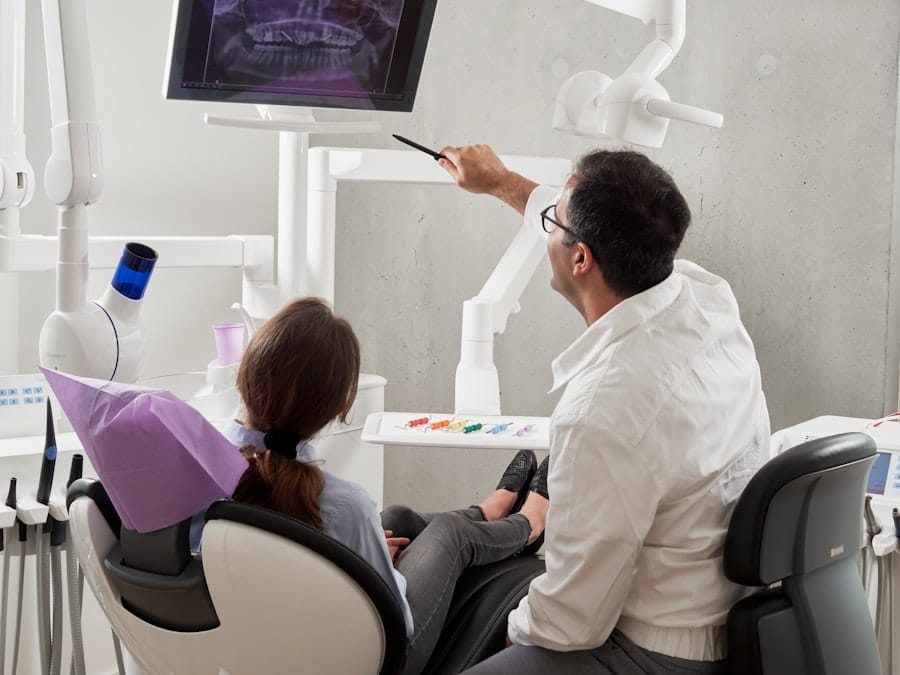
Selecting the right dental implant specialist is crucial for ensuring a successful outcome and minimizing anxiety throughout the process. You want to find a professional who not only possesses the necessary qualifications and experience but also makes you feel comfortable and supported. Start by researching potential specialists in your area, looking for credentials such as board certification in oral surgery or prosthodontics.
Reading reviews and testimonials from previous patients can also provide valuable insights into their experiences. Once you have narrowed down your options, schedule consultations with a few specialists to gauge their approach and demeanor. During these meetings, pay attention to how they address your concerns and whether they take the time to explain the procedure in detail.
A good specialist will prioritize patient education and ensure that you feel informed and confident in your decision. Trusting your dental implant specialist is essential for alleviating anxiety and fostering a positive experience throughout your treatment journey.
Preparing for the Dental Implant Procedure
Preparation for your dental implant procedure is an essential step that can significantly impact your overall experience. Your dentist will likely provide you with specific instructions to follow in the days leading up to the surgery. This may include dietary recommendations, such as avoiding certain foods or beverages that could interfere with anesthesia or healing.
Additionally, you may be advised to arrange for someone to accompany you on the day of the procedure, as you may feel groggy or disoriented afterward. Mental preparation is equally important as physical preparation. Take time to educate yourself about the procedure and what to expect during each phase.
Familiarizing yourself with the process can help reduce anxiety by eliminating uncertainty. Consider practicing relaxation techniques such as deep breathing or visualization exercises to help calm your nerves leading up to the day of surgery. By taking proactive steps to prepare both physically and mentally, you can set yourself up for a smoother experience.
Coping Strategies for Dental Implant Anxiety
When facing dental implant anxiety, employing effective coping strategies can make a significant difference in how you approach the procedure. One of the most effective methods is to communicate openly with your dental team about your fears and concerns. They can provide reassurance and may offer options such as sedation dentistry to help you feel more relaxed during the procedure.
Knowing that you have support can alleviate some of the stress associated with dental work. Another helpful strategy is to engage in mindfulness practices before and during your appointment. Techniques such as meditation or guided imagery can help center your thoughts and reduce feelings of anxiety.
You might also consider bringing along a comforting item, such as a stress ball or headphones with calming music, to help distract yourself during the procedure. Focusing on positive outcomes and visualizing a successful result can also shift your mindset from fear to hope.
Post-Procedure Care and Support
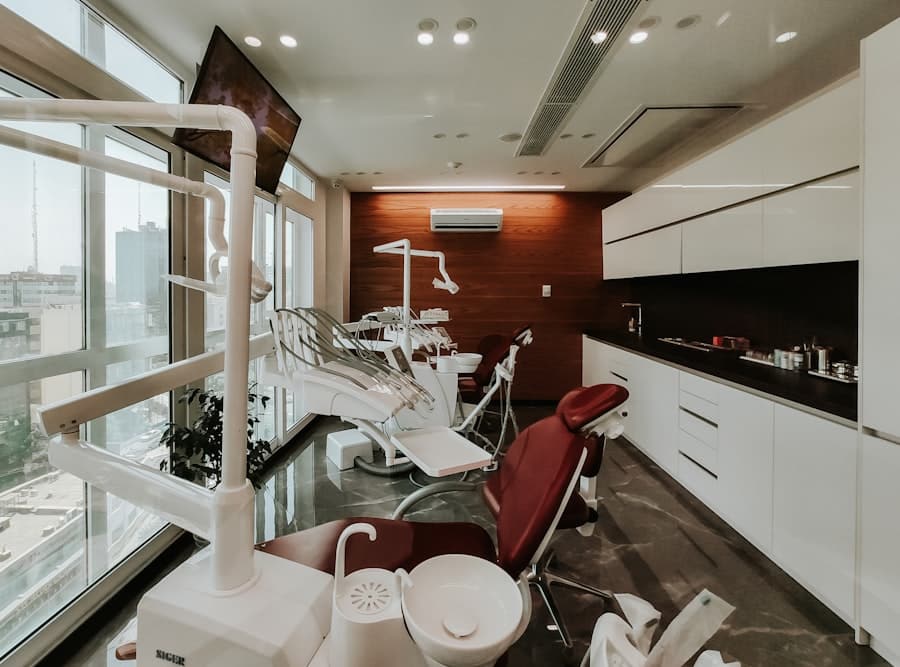
After undergoing dental implant surgery, proper post-procedure care is vital for ensuring optimal healing and success of the implant. Your dentist will provide specific aftercare instructions that may include guidelines on diet, oral hygiene practices, and pain management strategies. It’s essential to follow these recommendations closely to minimize complications and promote healing.
For instance, sticking to soft foods for a few days post-surgery can help prevent discomfort while your mouth adjusts. In addition to physical care, emotional support during recovery is equally important. You may experience a range of feelings as you navigate through healing, from excitement about your new smile to anxiety about potential complications.
Having a support system in place—whether it’s friends, family, or even online communities—can provide encouragement and reassurance during this time. Sharing your experiences with others who have undergone similar procedures can also foster a sense of connection and understanding.
Long-Term Benefits of Dental Implants
Investing in dental implants offers numerous long-term benefits that extend beyond just aesthetics. One of the most significant advantages is improved oral health; implants help preserve jawbone density by stimulating bone growth, preventing further deterioration that often occurs with missing teeth. This preservation not only maintains facial structure but also supports overall oral function, allowing you to eat and speak comfortably.
Moreover, dental implants are designed for longevity; with proper care, they can last a lifetime, making them a cost-effective solution in the long run compared to other tooth replacement options that may require frequent replacements or adjustments. Additionally, many individuals report enhanced self-esteem and confidence after receiving implants due to their natural appearance and functionality. The ability to smile freely without worrying about gaps or ill-fitting dentures can significantly improve your quality of life.
Seeking Professional Help for Severe Dental Implant Anxiety
If you find that your anxiety surrounding dental implants is overwhelming or debilitating, it may be beneficial to seek professional help. Mental health professionals specializing in anxiety disorders can provide valuable strategies tailored to your specific needs. Cognitive-behavioral therapy (CBT) is one effective approach that helps individuals reframe negative thoughts and develop coping mechanisms for managing anxiety.
Additionally, discussing your concerns with your dental provider can lead to alternative solutions that address your fears directly. They may recommend sedation options or refer you to specialists who focus on treating patients with dental anxiety. Remember that seeking help is a sign of strength; prioritizing your mental well-being is just as important as addressing your physical health needs when it comes to undergoing dental procedures like implants.
In conclusion, understanding dental implants and addressing any associated anxiety is crucial for ensuring a positive experience throughout your treatment journey. By educating yourself about the procedure, choosing the right specialist, preparing adequately, employing coping strategies, and seeking support when needed, you can navigate this process with confidence and ease. The long-term benefits of dental implants make them an investment worth considering for anyone looking to restore their smile and improve their overall quality of life.
If you are considering dental implants but are worried about the cost, you may find the article Costs for Dental Implants in Bellevue, Washington helpful. This article discusses the average costs associated with dental implants in the Bellevue area, giving you a better idea of what to expect financially. By understanding the costs upfront, you can better prepare for your dental implant procedure and alleviate some of the anxiety surrounding it.
FAQs
What are dental implants?
Dental implants are artificial tooth roots that are placed in the jaw to support a replacement tooth or bridge. They are a popular and effective long-term solution for people who have lost one or more teeth.
Why do people experience anxiety about getting dental implants?
People may experience anxiety about getting dental implants due to fear of pain, concerns about the procedure, worries about the outcome, or past negative experiences with dental treatment.
What are some tips for overcoming dental implant anxiety?
Some tips for overcoming dental implant anxiety include seeking information about the procedure, discussing concerns with the dentist, practicing relaxation techniques, and considering sedation options.
How can I prepare for a stress-free dental implant experience?
To prepare for a stress-free dental implant experience, it is important to follow the dentist’s instructions, maintain good oral hygiene, eat a healthy diet, and address any concerns or questions with the dental team.
What are some common sedation options for dental implant procedures?
Common sedation options for dental implant procedures include local anesthesia, oral sedation, intravenous (IV) sedation, and general anesthesia. The choice of sedation will depend on the individual’s needs and the complexity of the procedure.
What are the benefits of overcoming dental implant anxiety?
Overcoming dental implant anxiety can lead to improved oral health, restored confidence in one’s smile, and a better overall quality of life. It can also help individuals receive necessary dental treatment without unnecessary stress or fear.