
Mini dental implants are a modern solution designed to replace missing teeth or secure dentures. Unlike traditional dental implants, which require a larger titanium post, mini implants are smaller in diameter, typically around 1.8 to 3.3 millimeters. This reduced size allows for a less invasive procedure, making them an appealing option for many patients.
The design of mini dental implants enables them to be placed in areas where there may not be enough bone density to support a standard implant, thus expanding the possibilities for tooth replacement. These implants consist of a small titanium post that is inserted into the jawbone, serving as an anchor for artificial teeth or dentures. The unique aspect of mini dental implants is their ability to provide stability and support without the need for extensive surgical procedures.
This makes them particularly advantageous for individuals who may have experienced bone loss or those who prefer a quicker recovery time. As you explore your options for tooth replacement, understanding the fundamentals of mini dental implants can help you make an informed decision.
Key Takeaways
- Mini dental implants are smaller versions of traditional dental implants, used to support dentures and replace missing teeth.
- Benefits of mini dental implants include less invasive procedure, shorter healing time, and lower cost compared to traditional implants.
- Candidates for mini dental implants are individuals with good oral health, enough bone density, and those looking for a more affordable and less invasive tooth replacement option.
- The mini dental implant procedure involves a simple and quick process of placing the implant into the jawbone, often without the need for sutures or extensive healing time.
- Recovery and aftercare for mini dental implants involve minimal discomfort and a short healing period, with regular oral hygiene and follow-up appointments recommended.
Benefits of Mini Dental Implants
One of the most significant benefits of mini dental implants is their minimally invasive nature. The procedure typically requires only local anesthesia and can often be completed in a single visit. This means you can avoid the lengthy recovery times associated with traditional implants, allowing you to return to your daily activities much sooner.
Additionally, because the placement of mini implants usually requires less bone preparation, it can be an ideal solution for patients who have experienced some degree of bone loss. Another advantage is the cost-effectiveness of mini dental implants. Generally, they are less expensive than traditional implants due to the reduced complexity of the procedure and the materials used.
This affordability makes them accessible to a broader range of patients who may be hesitant to invest in more costly dental solutions. Furthermore, mini dental implants can enhance your quality of life by providing a stable foundation for dentures or crowns, allowing you to eat, speak, and smile with confidence.
Who is a Candidate for Mini Dental Implants?
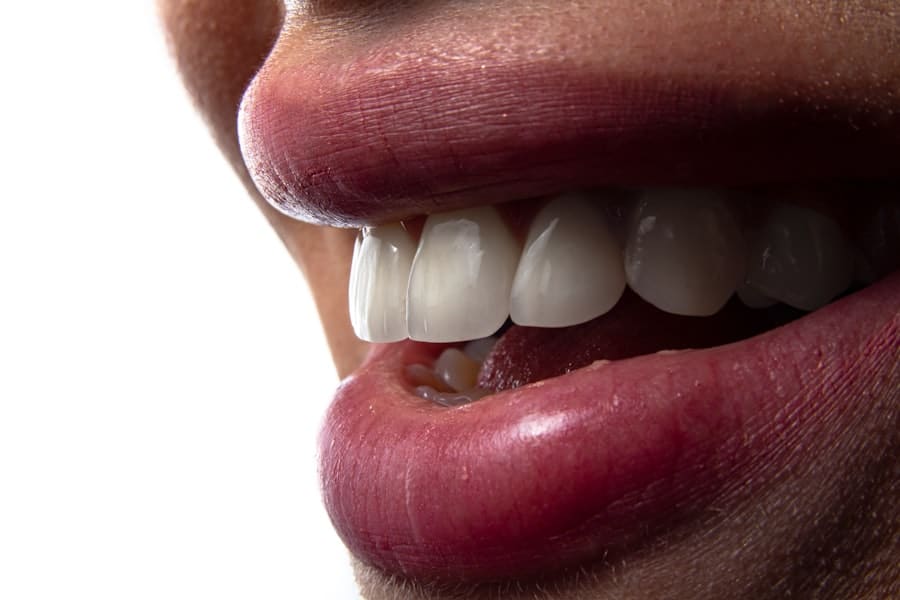
Mini dental implants are suitable for a variety of patients, particularly those who have lost one or more teeth and are seeking a reliable replacement option. If you have experienced tooth loss due to decay, injury, or periodontal disease, you may be an ideal candidate for this type of implant. Additionally, if you wear dentures that are uncomfortable or unstable, mini dental implants can provide the necessary support to improve your overall experience.
However, not everyone is automatically eligible for mini dental implants. A thorough evaluation by your dentist or oral surgeon is essential to determine if you have sufficient bone density and gum health to support the implant. If you have significant bone loss, your provider may recommend preliminary treatments such as bone grafting before proceeding with mini implants.
Ultimately, your individual circumstances will dictate whether this innovative solution is right for you.
The Mini Dental Implant Procedure
The procedure for placing mini dental implants is relatively straightforward and can often be completed in one appointment. Initially, your dentist will conduct a comprehensive examination, including X-rays and possibly 3D imaging, to assess your oral health and determine the best placement for the implants. Once you are deemed a suitable candidate, the procedure begins with local anesthesia to ensure your comfort throughout the process.
During the placement, your dentist will create a small opening in the gum tissue and gently insert the mini implant into the jawbone. The smaller size of these implants allows for less invasive techniques, often eliminating the need for sutures. After placement, your dentist may attach a temporary crown or denture to provide immediate functionality while your mouth heals.
The entire process is designed to be efficient and comfortable, allowing you to leave the office with a renewed sense of confidence.
Recovery and Aftercare for Mini Dental Implants
Recovery from mini dental implant surgery is generally quick and uncomplicated. Most patients experience minimal discomfort following the procedure, which can often be managed with over-the-counter pain relievers. It’s common to experience some swelling or tenderness in the days following the surgery, but these symptoms typically subside within a week.
Your dentist will provide specific aftercare instructions to ensure optimal healing and success of the implants. Maintaining good oral hygiene is crucial during your recovery period. You should continue brushing and flossing your teeth as usual but may need to be gentle around the surgical site initially.
Your dentist may recommend using an antibacterial mouthwash to help keep the area clean and reduce the risk of infection. Regular follow-up appointments will also be necessary to monitor your healing progress and ensure that the mini implants are integrating well with your jawbone.
Comparing Mini Dental Implants to Traditional Dental Implants
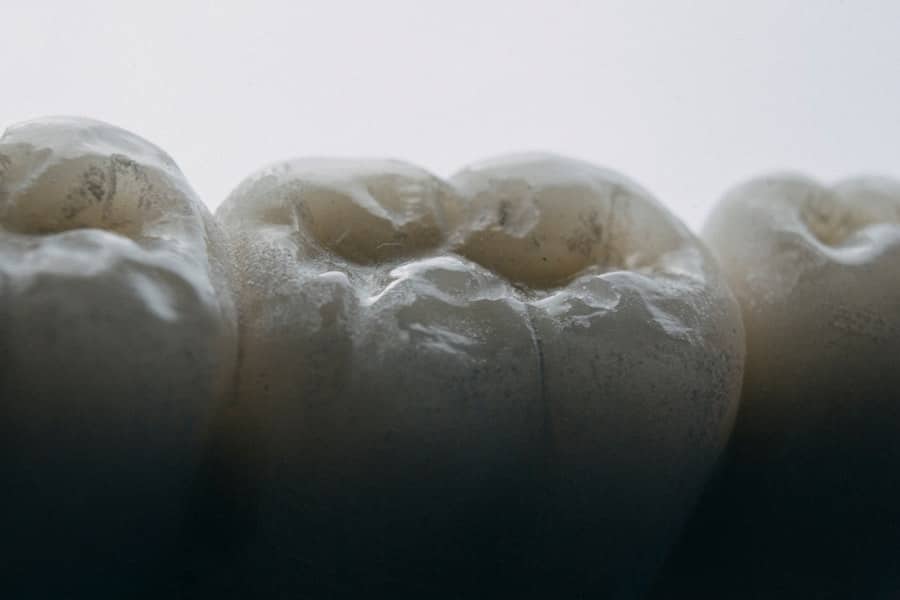
When considering tooth replacement options, it’s essential to understand how mini dental implants compare to traditional dental implants. One of the most notable differences is size; traditional implants are larger and require more extensive surgical procedures for placement. This often involves bone grafting if there isn’t enough bone density present, which can prolong treatment time and increase costs.
In contrast, mini dental implants offer a less invasive alternative that can often be placed without additional procedures. They are particularly beneficial for patients with limited bone density who may not qualify for traditional implants. While traditional implants may provide slightly greater stability in some cases, mini implants have proven effective in securing dentures and providing a functional bite for many patients.
Ultimately, your choice will depend on your specific needs and preferences, as well as your dentist’s recommendations.
Cost of Mini Dental Implants
The cost of mini dental implants can vary significantly based on several factors, including geographic location, the complexity of your case, and the specific provider you choose. Generally speaking, mini dental implants tend to be more affordable than their traditional counterparts due to their simpler placement process and reduced material costs. On average, you might expect to pay between $500 and $1,500 per implant, which is often less than half the cost of traditional implants.
It’s important to consider that while mini dental implants may have lower upfront costs, they can also lead to long-term savings by improving your oral health and preventing further complications associated with tooth loss. Many dental insurance plans offer partial coverage for implant procedures, so it’s worth checking with your provider to understand what benefits may apply to you. Additionally, some dental practices offer financing options that can make the investment more manageable.
Finding a Qualified Mini Dental Implant Provider
Choosing a qualified provider for your mini dental implant procedure is crucial for ensuring successful outcomes and a positive experience. Start by seeking recommendations from friends or family members who have undergone similar treatments. Online reviews and testimonials can also provide valuable insights into a provider’s reputation and level of expertise.
When evaluating potential providers, consider their credentials and experience specifically related to mini dental implants. Look for dentists or oral surgeons who have received specialized training in implantology and have a track record of successful procedures. During your initial consultation, don’t hesitate to ask questions about their approach, technology used, and what you can expect throughout the process.
A knowledgeable and compassionate provider will take the time to address your concerns and help you feel confident in your decision. In conclusion, mini dental implants represent an innovative solution for those seeking effective tooth replacement options with minimal invasiveness and cost. By understanding what they are, their benefits, candidacy requirements, procedural details, recovery expectations, comparisons with traditional implants, associated costs, and how to find a qualified provider, you can make an informed choice that aligns with your oral health needs and lifestyle preferences.
If you are considering mini dental implants, you may also be interested in learning about the costs associated with traditional dental implants. According to a recent article on Costs for Dental Implants in Las Cruces, New Mexico, the average cost of traditional dental implants can vary depending on the location and specific needs of the patient. Understanding the differences in cost between mini dental implants and traditional implants can help you make an informed decision about which option is best for you.
FAQs
What are mini dental implants?
Mini dental implants are smaller versions of traditional dental implants, typically ranging from 1.8mm to 3.3mm in diameter. They are used to support and retain dentures, bridges, and crowns in the same way as traditional implants.
How are mini dental implants different from traditional implants?
Mini dental implants are smaller in diameter and are often used in situations where traditional implants may not be suitable due to bone density or space limitations. They require less invasive surgery and have a shorter healing time compared to traditional implants.
What are the benefits of mini dental implants?
Some of the benefits of mini dental implants include less invasive surgery, shorter healing time, lower cost, and the ability to be used in areas with limited space or bone density. They can also provide stability and support for dentures, bridges, and crowns.
Who is a good candidate for mini dental implants?
Good candidates for mini dental implants are individuals who may not be suitable for traditional implants due to bone density issues or limited space. They should be in good overall health and have healthy gums.
What is the procedure for getting mini dental implants?
The procedure for getting mini dental implants involves a consultation with a dentist, followed by a surgical procedure to place the implants into the jawbone. After a healing period, the implants are then used to support and retain dentures, bridges, or crowns.
What is the success rate of mini dental implants?
The success rate of mini dental implants is high, with proper care and maintenance. They can last for many years and provide stability and support for dental prosthetics. However, individual results may vary.