
Dental implants are a revolutionary solution for those who have lost teeth due to injury, decay, or other dental issues. At their core, dental implants are artificial tooth roots, typically made from titanium, that are surgically placed into the jawbone. This procedure not only provides a stable foundation for replacement teeth but also helps to preserve the jawbone structure, which can deteriorate when teeth are missing.
By mimicking the natural tooth root, implants offer a long-lasting and effective way to restore your smile and improve your oral health. When you consider dental implants, it’s essential to understand how they work. The implant itself is a small post that is inserted into the jawbone, where it fuses with the bone in a process called osseointegration.
This integration creates a strong and durable base for the crown, which is the visible part of the tooth. The result is a restoration that looks, feels, and functions like a natural tooth. This innovative approach to tooth replacement has transformed the field of dentistry, offering patients a reliable option that can last for many years with proper care.
Key Takeaways
- Dental implants are artificial tooth roots that are placed in the jaw to support a replacement tooth or bridge.
- The benefits of dental implants include improved appearance, speech, comfort, and oral health.
- There are two main types of dental implants: endosteal implants that are placed in the jawbone, and subperiosteal implants that are placed on top of the jawbone.
- The implant process involves a consultation, implant placement, healing period, and attachment of the replacement tooth or bridge.
- Candidates for dental implants should have good oral health, adequate bone density, and be committed to maintaining proper oral hygiene.
Benefits of Dental Implants
One of the most significant advantages of dental implants is their ability to restore functionality. If you’ve been living with missing teeth, you may have experienced difficulties in chewing or speaking. Dental implants can help you regain your confidence and enjoy your favorite foods without worry.
Unlike dentures, which can slip or cause discomfort, implants are securely anchored in your jawbone, allowing you to eat and speak naturally. In addition to functional benefits, dental implants also provide aesthetic improvements. They are designed to blend seamlessly with your existing teeth, enhancing your smile and overall appearance.
You no longer have to hide your smile due to gaps or missing teeth; instead, you can showcase a complete and beautiful set of teeth. Furthermore, dental implants can help maintain the shape of your face by preventing bone loss that often occurs after tooth loss. This preservation of facial structure contributes to a more youthful appearance and boosts your self-esteem.
Types of Dental Implants
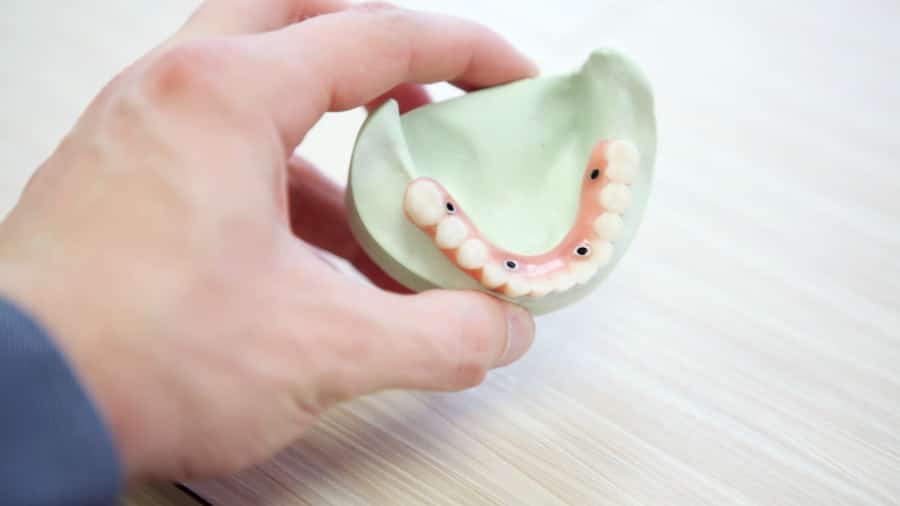
When it comes to dental implants, there are several types to consider, each tailored to meet different needs and preferences. The most common type is the endosteal implant, which is placed directly into the jawbone. This type is suitable for most patients and is often used when there is sufficient bone density to support the implant.
Endosteal implants can hold one or more crowns, making them versatile for various tooth replacement scenarios. Another option is the subperiosteal implant, which is placed under the gum but above the jawbone. This type is typically recommended for patients who may not have enough bone height for an endosteal implant or who prefer not to undergo bone grafting procedures.
Subperiosteal implants can be an effective solution for those who want to avoid more invasive surgeries while still achieving a stable foundation for their replacement teeth. Understanding these options allows you to have informed discussions with your dentist about which type of implant may be best suited for your individual situation.
The Implant Process: What to Expect
The journey to getting dental implants begins with a comprehensive consultation with your dentist or oral surgeon. During this initial appointment, they will evaluate your oral health, take X-rays, and discuss your medical history to determine if you are a suitable candidate for the procedure. This step is crucial as it helps identify any potential issues that may need addressing before moving forward with the implant process.
Once you’re deemed a candidate, the next step involves the surgical placement of the implant. This procedure is typically performed under local anesthesia or sedation to ensure your comfort. Your dentist will make a small incision in your gum tissue to expose the jawbone and then carefully insert the implant post into the bone.
After this step, a healing period of several months is necessary for osseointegration to occur. During this time, the implant fuses with the bone, creating a strong foundation for your new tooth. After healing, you will return to have an abutment placed on top of the implant, followed by the final crown that completes your restoration.
Who is a Candidate for Dental Implants
While dental implants offer numerous benefits, not everyone is an ideal candidate for this procedure. Generally, candidates should be in good overall health and have sufficient bone density in their jaw to support the implant. If you have experienced significant bone loss due to missing teeth or periodontal disease, your dentist may recommend bone grafting procedures to build up the bone before placing an implant.
Additionally, individuals who smoke or have uncontrolled chronic conditions such as diabetes may face challenges in healing after surgery. It’s essential to discuss your medical history with your dentist so they can assess your suitability for dental implants accurately. If you’re committed to maintaining good oral hygiene and following post-operative care instructions, you may find that you are an excellent candidate for this transformative dental solution.
Maintenance and Care for Dental Implants

Caring for dental implants is similar to caring for natural teeth, making them an appealing option for many patients. Regular brushing and flossing are essential components of maintaining your oral hygiene routine. You should brush at least twice a day and floss daily to prevent plaque buildup around the implant and surrounding teeth.
Additionally, using an antibacterial mouthwash can help keep your mouth clean and reduce the risk of infection. Routine dental check-ups are also crucial for ensuring the longevity of your implants. Your dentist will monitor the health of your gums and surrounding teeth during these visits and can address any concerns before they become significant issues.
With proper care and maintenance, dental implants can last many years—often a lifetime—providing you with a reliable solution for tooth loss.
Risks and Complications of Dental Implants
While dental implants are generally safe and effective, like any surgical procedure, they come with potential risks and complications. Some patients may experience infection at the implant site or issues related to osseointegration if the implant does not properly fuse with the bone. Other complications can include nerve damage or sinus problems if the implant is placed inappropriately.
It’s essential to discuss these risks with your dentist before proceeding with the procedure. They will provide you with detailed information about what to expect and how to minimize potential complications through careful planning and execution of the surgery. Being informed about these risks allows you to make educated decisions regarding your dental health.
Making the Decision: Is Dental Implant the Right Choice for You?
Deciding whether dental implants are right for you involves careful consideration of various factors, including your oral health, lifestyle, and personal preferences. If you’re seeking a long-term solution for missing teeth that offers both functionality and aesthetics, dental implants may be an excellent choice. However, it’s crucial to weigh this option against other alternatives such as dentures or bridges.
Consulting with your dentist is vital in this decision-making process. They can provide personalized recommendations based on your unique situation and help you understand all available options. Ultimately, choosing dental implants can lead to improved quality of life by restoring not only your smile but also your confidence in social situations and daily activities.
By taking the time to explore this option thoroughly, you can make an informed decision that aligns with your goals for oral health and overall well-being.
If you are considering getting dental implants, it is important to be informed about the costs involved. A related article on Costs for Dental Implants in Madison, Alabama provides valuable information on the expenses associated with this procedure in a specific location. Understanding the financial aspect of dental implants can help you make a smart choice for your oral health.
FAQs
What are dental implants?
Dental implants are artificial tooth roots that are placed in the jaw to support a replacement tooth or bridge. They are a popular and effective long-term solution for people who have lost one or more teeth.
How are dental implants placed?
Dental implants are typically placed in a series of steps. First, the implant is surgically placed into the jawbone. Then, a healing period of several months allows the implant to fuse with the bone. Finally, a replacement tooth or bridge is attached to the implant.
What are the benefits of dental implants?
Dental implants offer several benefits, including improved appearance, speech, comfort, and oral health. They are also durable and can last a lifetime with proper care.
Who is a good candidate for dental implants?
Good candidates for dental implants are individuals with good oral and overall health, an adequate amount of bone in the jaw to support the implant, and healthy gums. It is important to consult with a dentist to determine if dental implants are the right option for you.
What is the success rate of dental implants?
The success rate of dental implants is high, with up to 98% of implants lasting for 10 years or more. Proper oral hygiene and regular dental visits are important for the long-term success of dental implants.
Are there any risks or complications associated with dental implants?
While dental implants are generally safe, there are some risks and potential complications, such as infection, nerve damage, and implant failure. It is important to discuss these risks with a dentist before undergoing the procedure.