
The prospect of dental implants can represent a significant investment in your oral health and overall well-being. Understanding the cost associated with these procedures, particularly in a specific geographic area like Stonebridge Ranch in McKinney, Texas, is crucial for informed decision-making. This article aims to demystify implant dentist pricing in this locale, providing you with a comprehensive overview of the factors influencing costs and what you can expect.
When you consider the investment in dental implants, you’re not just paying for a single procedure; you’re investing in a multi-stage process that requires precision, specialized materials, and significant expertise. Think of it like building a house: the foundation, the framing, the finishing touches – each stage contributes to the final structure’s integrity and appearance, and each carries its own set of costs. For dental implants, these stages translate into several key components that dictate the overall price.
The Titanium Root: The Foundation of Your New Smile
The dental implant itself is the cornerstone of this entire restoration. This small, screw-like post, typically made of biocompatible titanium, is surgically placed into your jawbone. Its primary function is to act as a sturdy anchor for your replacement tooth. The quality of the titanium, its design, and the brand of the implant system are all factors that can influence pricing.
Material Quality and Biocompatibility
The titanium used in dental implants is specifically chosen for its ability to integrate with your bone – a process known as osseointegration. While titanium is generally well-tolerated, variations in purity and manufacturing processes can exist between different implant manufacturers. Higher-grade titanium, subjected to rigorous testing and with a proven track record of successful integration, may command a higher price. This is not unlike choosing between a standard plywood and a premium hardwood for your home’s structure; the latter offers greater durability and aesthetic appeal, but at a higher cost.
Implant System Brand and Design
Different dental implant companies employ distinct designs and technologies. Some systems are renowned for their innovative features, such as specialized thread patterns for enhanced stability or surface treatments designed to accelerate osseointegration. These advancements, developed through extensive research and development, often translate into higher costs for the implant components themselves. You might compare this to choosing between off-the-shelf construction materials and custom-made components; the latter offer a tailored fit and often superior performance, but at a premium.
The Abutment: The Bridge Between Root and Crown
Once the implant has successfully integrated with your jawbone, an abutment is attached. This component acts as a connector, protruding above the gumline. It serves as the base for the prosthetic tooth, providing a stable and secure attachment point. The material of the abutment, whether it’s titanium, zirconia, or another biocompatible material, can also affect the overall cost.
Material Choices for Abutments
Titanium abutments are a common and cost-effective option. However, for aesthetic reasons or in cases of thin gum tissue, zirconia abutments are often preferred. Zirconia offers a tooth-like color, which can prevent a gray hue from showing through the gums, particularly important in the visible areas of your smile. The manufacturing process for high-quality zirconia, and its enhanced aesthetic properties, contribute to a higher price point compared to titanium. Think of this as choosing between standard plumbing fixtures and aesthetically pleasing, high-end finishes for your bathroom; both function, but one offers a superior visual and material experience.
Custom vs. Stock Abutments
In some complex cases or when precise angulation is required, a custom-designed abutment might be necessary. These are fabricated to perfectly match the individual anatomy of your mouth and the specific angle of your implant. While custom abutments offer superior fit and function, they involve additional laboratory work and expertise, leading to a higher cost than standard, pre-fabricated abutments. This is akin to opting for custom-tailored clothing versus off-the-rack items; the former provides a perfect fit but at a greater expense.
The Crown: The Visible Tooth Restored
The final piece of the dental implant puzzle is the crown, also known as the prosthetic tooth. This is the visible part of your tooth replacement that you see and use for chewing and speaking. The material used for the crown, its complexity, and the laboratory fabricating it all play a significant role in determining the final cost.
Material Options for Dental Crowns
Several materials are available for dental crowns, each with its own price point.
- Porcelain-fused-to-metal (PFM) crowns: These consist of a metal substructure covered with porcelain. They are durable and can offer a natural appearance, though the metal can sometimes create a gray line at the gum margin over time. They are generally a more economical option.
- All-ceramic crowns: These can be made from materials like e.max (lithium disilicate) or zirconia. All-ceramic crowns offer excellent aesthetics, mimicking the natural translucency and color of real teeth. Zirconia crowns, in particular, are known for their strength and esthetic appeal. They are typically more expensive than PFM crowns.
- All-metal crowns: While less common for visible teeth due to aesthetics, these are durable and cost-effective.
The choice of material depends on factors like the location of the tooth, your bite force, and your aesthetic preferences. Imagine selecting flooring for your home: you could opt for laminate, which is cost-effective, or for a premium hardwood like Brazilian cherry, which offers superior durability and visual appeal but at a higher price.
Laboratory Fabrication and Complexity
The intricate process of crafting a high-quality dental crown involves skilled dental technicians and advanced laboratory technology. The complexity of the tooth’s shape, the need for precise shading to match adjacent teeth, and the use of advanced milling or layering techniques all contribute to the fabrication cost. A highly aesthetic, custom-shaded crown for a front tooth will naturally cost more than a standard crown for a back molar. This is comparable to commissioning a piece of art; the painstaking detail and the artist’s skill contribute significantly to the value.
If you’re considering dental implants in Stonebridge Ranch, McKinney, TX, understanding the pricing can be crucial for your decision-making process. For a comprehensive overview of dental implant costs in different regions, you may find this related article helpful: Costs for Dental Implants in St. Louis Park, Minnesota. This resource provides insights into various factors that influence pricing, which can help you better prepare for your dental implant journey.
Factors Beyond the Core Components: The Nuances of Implant Pricing in Stonebridge Ranch, McKinney, TX
While the implant, abutment, and crown form the core of the cost, several other influencing factors can shape the final price you encounter at a dental practice in Stonebridge Ranch, McKinney, Texas. These are the elements that add layers of consideration, much like the unique architectural styles and landscaping decisions that define the character of a prestigious neighborhood.
The Art and Science of Surgical Placement
The surgical placement of a dental implant is a critical procedure that requires specialized training, advanced tools, and a meticulous approach. This is where your dentist’s skill acts as the architect, carefully planning and executing the placement of the implant into your jawbone. The complexity of the surgery itself can significantly impact the overall cost.
Dentist’s Expertise and Experience
The training, experience, and specialization of your implant dentist are paramount. A dentist who has undergone extensive postgraduate training in implantology, frequently performs implant procedures, and has a proven track record of successful outcomes will often command higher fees. This expertise translates into a higher probability of a smooth procedure and predictable results, akin to hiring a seasoned contractor with a portfolio of successful projects over years of practice. Their knowledge is a valuable asset in navigating potential complications and ensuring optimal implant placement.
Surgical Techniques and Technology
Different surgical techniques are employed for implant placement, ranging from traditional flap surgery to flapless techniques that utilize guided surgery. Guided surgery, for instance, involves the creation of a custom surgical guide based on 3D imaging, allowing for highly precise implant placement. This technology, while often leading to less invasive procedures and faster recovery, involves additional costs for the planning, software, and fabrication of the guide. The use of advanced surgical instruments and magnification also contributes to the overall cost of the surgical phase.
Bone Grafting and Sinus Lifts
In cases where your jawbone has insufficient density or volume to support an implant, bone grafting or sinus lift procedures may be necessary. These are preparatory surgeries designed to augment the bone, creating a stable foundation for the implant. Bone grafting involves adding bone material (which can be autogenous – from your own body – or from a donor) to the deficient area. A sinus lift procedure is typically performed when an implant is to be placed in the upper jaw, near the sinuses, and requires lifting the sinus membrane and adding bone graft material.
- Bone Grafting: The complexity of the graft, the type of bone material used (your own bone is generally more expensive to harvest but offers excellent integration), and the extent of the augmentation will influence the cost.
- Sinus Lifts: These are more intricate procedures and can be more expensive than standard bone grafting due to the delicate nature of the sinus membrane and the surgical precision required.
These procedures are akin to reinforcing the foundation of your house before building on it. While they add to the initial cost, they are essential for long-term structural integrity and are a crucial investment in the success of your implant.
Imaging and Diagnostic Tools
Accurate diagnosis and treatment planning are the bedrock of successful implant dentistry. This involves advanced imaging techniques to assess your bone structure, nerve pathways, and surrounding anatomy.
- 3D Cone Beam Computed Tomography (CBCT): This advanced imaging technology provides detailed 3D views of your jawbone and facial structures. It allows your dentist to precisely plan implant placement, identify potential risks, and visualize the optimal position for the implant, minimizing the need for exploratory surgery. The cost of CBCT scans is typically factored into the overall treatment plan.
- Intraoral Scans and Digital Impressions: Traditional dental impressions can be uncomfortable. Digital intraoral scanners capture precise 3D images of your teeth and gums, which can then be used for planning and fabricating restorations. This technology streamlines the process and can contribute to a more accurate fit for your crown.
The proactive use of these diagnostic tools is like having detailed blueprints and surveys before embarking on construction; they ensure that the building process is precise and less prone to errors.
The Role of Location: Stonebridge Ranch, McKinney, TX Pricing Dynamics
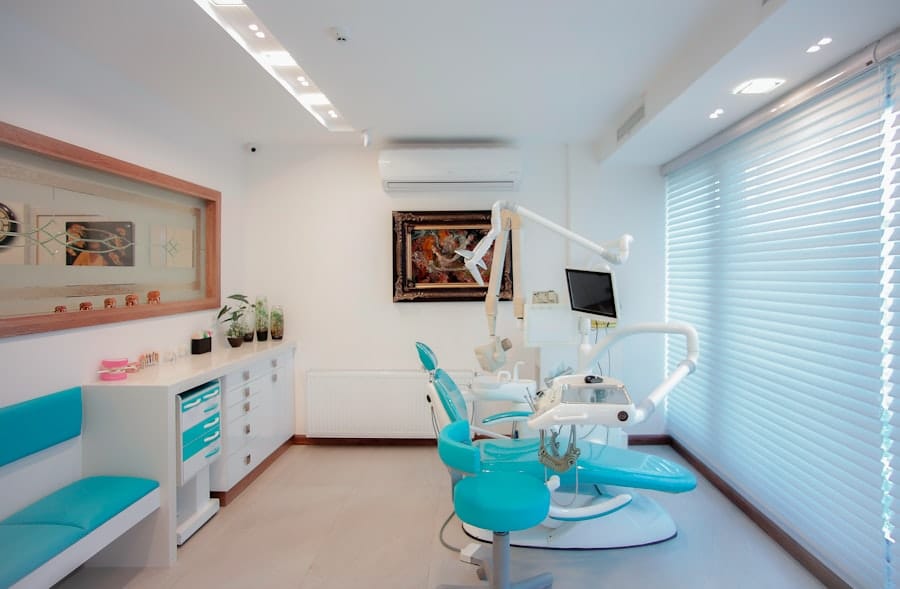
The cost of dental services, like many other goods and services, can fluctuate based on geographic location. Stonebridge Ranch in McKinney, Texas, as a sought-after community, can present its own set of pricing dynamics due to factors inherent to affluent or desirable areas.
Cost of Living and Operational Expenses
Areas with a higher cost of living often see a corresponding increase in the operational expenses for businesses, including dental practices. This encompasses real estate costs for the office space, utilities, and wages for highly skilled staff. Consequently, these increased overheads can be reflected in the pricing of dental services.
Real Estate and Office Space
Dental practices located in prime areas, such as within or near prestigious developments like Stonebridge Ranch, may face higher rental or mortgage costs. These facilities are often equipped with modern amenities and sophisticated dental technology, which also contribute to their operational expenses.
Staffing and Professional Salaries
Attracting and retaining highly qualified dental professionals, including experienced dental hygienists, assistants, and administrative staff, is crucial for providing top-tier patient care. Salaries in areas with a higher cost of living tend to be higher, and these professional wages are a component of the overall cost of delivering dental services.
Demand and Market Factors
The demand for specialized dental procedures, such as dental implants, can also play a role in pricing. In areas where there is a high concentration of individuals seeking advanced dental restorations, practices may find themselves with a substantial patient base for these services.
Perceived Value and Patient Expectations
Residents in communities like Stonebridge Ranch may have different expectations regarding the quality of care and the types of materials and technology used in their dental treatment. There can be a perceived value associated with opting for high-quality materials, advanced techniques, and a more luxurious patient experience, which can influence pricing.
Competition Among Practices
While demand can drive prices up, the level of competition among dental practices in the area also plays a role. In a market with multiple reputable implant dentists, competition can help to moderate prices. However, practices offering specialized or unique services may command higher fees due to less direct competition in those specific niches.
Beyond the Price Tag: Understanding Your Investment in Health and Quality of Life
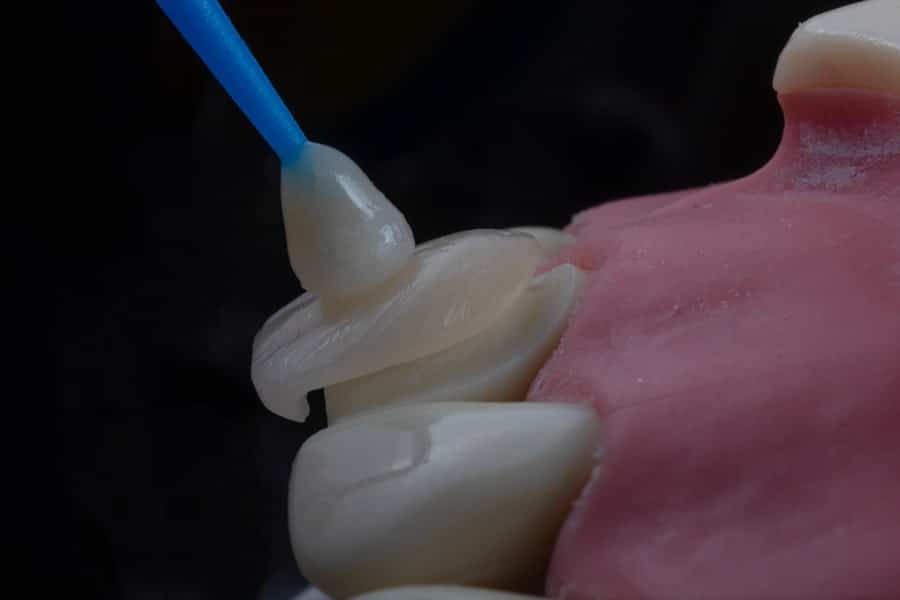
When considering the cost of dental implants, it’s essential to view it not merely as an expense but as an investment in your overall health, confidence, and quality of life. The price you see is an accumulation of various components, each contributing to a long-term solution for missing teeth.
The Long-Term Value Proposition of Dental Implants
Dental implants are designed to be a permanent solution. Unlike dentures or bridges that may need replacement or refitting over time, implants, with proper care, can last a lifetime. This long-term durability translates into a significantly lower cost per year compared to other tooth replacement options.
Durability and Longevity
The robust nature of titanium and the biological integration with your jawbone make implants incredibly durable. This means fewer replacements or repairs over the decades, saving you money and hassle in the long run. Think of it as building a foundation that stands the test of time, rather than a temporary structure that needs constant maintenance.
Preserving Jawbone Health
When teeth are lost, the underlying jawbone begins to resorb or shrink due to lack of stimulation. Dental implants provide this crucial stimulation, preventing bone loss and preserving the structure of your face. This is a significant health benefit that goes beyond mere aesthetics. Unchecked bone loss can lead to changes in your facial structure, making you look older and potentially causing further dental problems.
Restoring Functionality and Aesthetics
Missing teeth can significantly impact your ability to chew, speak, and even smile confidently. Dental implants restore these functions to near-natural levels, allowing you to enjoy your favorite foods without discomfort and speak clearly. The aesthetic restoration of your smile can dramatically boost self-esteem and reduce social anxiety. This is an investment in your ability to engage fully with life, unrestricted by oral health issues.
Insurance Coverage and Financing Options
Navigating the financial aspect of dental implants can be less daunting with an understanding of potential insurance contributions and available financing solutions.
Dental Insurance and Implant Coverage
While many dental insurance plans do not cover the full cost of dental implants, some may offer partial coverage for certain components, such as the implant surgery or the prosthetic crown. It is crucial to review your specific insurance policy or consult with your provider to understand the extent of your coverage. Many practices in Stonebridge Ranch, McKinney, TX, will have staff dedicated to helping you navigate these benefits.
Financing Plans and Payment Options
To make dental implants more accessible, most dental practices offer various financing options. These can include:
- In-house payment plans: Some clinics allow patients to pay for treatment over time with flexible monthly installments.
- Third-party financing companies: Partnerships with companies like CareCredit or SunTrust offer specialized credit lines for healthcare procedures, often with interest-free promotional periods.
- Credit cards and personal loans: Traditional payment methods are also an option, though interest rates may vary.
These financial tools are designed to help you secure the treatment you need without immediate financial strain, allowing you to prioritize your oral health.
When considering the costs associated with dental implants, it’s essential to explore various factors that can influence pricing in different regions. For instance, an insightful article discusses the pricing of dental implants in Hanover Park, Illinois, which can provide valuable comparisons for those looking into implant dentist pricing in Stonebridge Ranch, McKinney, TX. Understanding these differences can help patients make informed decisions about their dental care. You can read more about this topic in the article found here.
Navigating the Consultation Process: Your First Step Toward Informed Decision-Making
| Service | Average Cost | Price Range | Notes |
|---|---|---|---|
| Single Tooth Implant | 1800 | 1500 – 2200 | Includes implant, abutment, and crown |
| Implant Consultation | 100 | Free – 150 | Initial exam and x-rays |
| Bone Grafting | 600 | 400 – 900 | Required if bone loss is present |
| Full Mouth Dental Implants | 24000 | 20000 – 30000 | All teeth replacement with implants |
| Implant-Supported Dentures | 8000 | 6000 – 10000 | Removable dentures anchored by implants |
The most effective way to understand the personalized pricing for dental implants in Stonebridge Ranch, McKinney, TX, is to schedule a consultation with a qualified implant dentist. This initial meeting is your opportunity to gather information, ask questions, and receive a tailored treatment plan.
What to Expect During Your Implant Consultation
A comprehensive consultation is more than just a cursory examination. It’s an in-depth assessment that sets the stage for your treatment.
Initial Examination and Medical History Review
Your dentist will begin by reviewing your medical and dental history to identify any pre-existing conditions that might affect implant treatment. They will then conduct a thorough oral examination, assessing your overall oral health, including the condition of your remaining teeth, gums, and jawbone.
Diagnostic Imaging and Assessment
As mentioned earlier, diagnostic imaging, such as CBCT scans, will likely be part of your consultation to gain a precise understanding of your bone structure and to plan the placement of the implants. This imaging is crucial for accurate treatment planning and cost estimation.
Discussion of Treatment Options and Personalized Plan
Based on the examination and diagnostic findings, your dentist will discuss the various treatment options available to you. This may include the number of implants needed, the type of abutment and crown recommended, and whether any preparatory procedures like bone grafting are necessary. They will then present you with a detailed, personalized treatment plan that outlines the proposed procedure, estimated timeline, and a comprehensive cost breakdown.
Questions to Ask Your Implant Dentist
Being prepared with a list of questions can ensure you extract the most valuable information from your consultation.
Cost Breakdown and Transparency
- “Can you provide a detailed breakdown of all costs involved, from initial surgery to the final crown placement?”
- “Are there any potential hidden fees or additional costs I should be aware of?”
- “What are the payment options available, and are there any financing plans you recommend?”
Dentist’s Experience and Credentials
- “What specialized training or certifications do you have in dental implantology?”
- “How many dental implant procedures do you perform annually?”
- “Can you show me before-and-after photos of patients you have treated with similar cases?”
Materials and Laboratory Used
- “What brand of dental implants do you use, and why?”
- “What materials are used for the abutments and crowns, and what are the advantages of these choices?”
- “Where are your dental crowns fabricated, and what is the quality control process like?”
Procedure and Recovery
- “What is the estimated duration of the surgical procedure?”
- “What is the expected recovery time, and what post-operative care will be required?”
- “What are the potential risks and complications associated with dental implant surgery, and how do you manage them?”
By engaging actively in your consultation and asking insightful questions, you empower yourself to make an informed decision about your dental implant journey, ensuring that the investment in your new smile aligns with your expectations for health, function, and aesthetics.
FAQs
What factors influence the cost of dental implants in Stonebridge Ranch, McKinney TX?
The cost of dental implants in Stonebridge Ranch, McKinney TX, can vary based on factors such as the number of implants needed, the type of implant used, the complexity of the procedure, any additional treatments required (like bone grafts), and the dentist’s experience and technology.
Does dental insurance typically cover implant procedures in McKinney TX?
Most dental insurance plans do not fully cover dental implants, but some may cover parts of the procedure, such as the consultation or crown placement. It’s important to check with your insurance provider and the dental office in Stonebridge Ranch for specific coverage details.
Are there financing options available for dental implants in Stonebridge Ranch?
Many dental offices in Stonebridge Ranch, McKinney TX, offer financing plans or work with third-party lenders to help patients manage the cost of dental implants through monthly payments or credit options.
How long does the dental implant procedure take in Stonebridge Ranch, McKinney TX?
The dental implant process typically involves multiple stages, including consultation, implant placement, healing time (which can take several months), and crown placement. The total duration can range from a few months to over six months depending on individual cases.
What should I expect during a consultation for dental implants in Stonebridge Ranch?
During a consultation in Stonebridge Ranch, the implant dentist will evaluate your oral health, take X-rays or 3D scans, discuss your medical history, explain treatment options, and provide a detailed cost estimate tailored to your specific needs.