
You’re standing on the precipice of a significant decision regarding your oral health. The prospect of dental implants can feel like navigating a complex map, and you’re likely seeking clarity, particularly when it comes to a specific location like Adriatica Village in McKinney, Texas. This guide aims to be your compass, illuminating the process of implant consultation within this picturesque setting.
Before you even consider the specifics of a consultation at Adriatica Village, it’s crucial to grasp the fundamental nature of dental implants. Think of them not as mere substitutes for lost teeth, but as a sophisticated biological and mechanical integration designed to restore both function and aesthetics.
The Anatomy of a Dental Implant
A dental implant itself is typically a small, screw-like post, most commonly made of titanium. This material is chosen for its biocompatibility, meaning your body readily accepts it and it can fuse with your jawbone – a process known as osseointegration. This fusion is the linchpin of implant success, providing a stable and permanent foundation.
Titanium: The Biocompatible Backbone
Titanium’s ability to Osseointegrate is not a mere anecdote; it’s a well-documented phenomenon. Over time, bone cells grow directly onto the implant’s surface, creating an incredibly strong bond. This is akin to a building’s foundation settling into the earth, becoming an inseparable part of the structure. Without this integration, the implant would lack the necessary stability to support a prosthetic tooth.
The Abutment: The Connecting Piece
Once the implant has successfully integrated with the jawbone, an abutment is attached. This is a small connector that protrudes from the gum line and serves as the bridge between the implant and the visible part of your new tooth. It’s the crucial interface that allows for the attachment of the crown.
The Crown: The Visible Restoration
The crown, often referred to as the artificial tooth, is custom-made to match the size, shape, and color of your natural teeth. It’s securely attached to the abutment, completing the implant system and restoring both the appearance and chewing function of your smile.
Why Consider Dental Implants?
The decision to pursue dental implants is seldom made lightly. It often arises from a desire to move beyond the limitations of other tooth replacement options, such as dentures or bridges, and achieve a more natural and permanent solution.
Restoring Functionality
When you experience tooth loss, the domino effect can be profound. Adjacent teeth can shift, bite patterns can change, and chewing can become a challenging endeavor. Dental implants, by providing a stable root system, effectively arrest this process, allowing you to eat, speak, and smile with confidence.
Enhancing Aesthetics
Beyond function, the aesthetic impact of tooth loss can be significant, affecting self-esteem and social interactions. Dental implants, when meticulously designed and placed, blend seamlessly with your existing teeth, restoring a complete and natural-looking smile.
Long-Term Durability
Compared to some other restorative options, dental implants are designed for longevity. With proper care and maintenance, they can last a lifetime, offering a durable and cost-effective solution over the long term.
If you’re considering dental implants and are located in the Adriatica Village area of McKinney, TX, you may find it helpful to explore related information on the costs associated with dental implants. A comprehensive resource can be found in this article, which discusses the costs for dental implants in Santa Monica, California. This can provide valuable insights into what you might expect in terms of pricing and options. For more details, you can read the article here: Costs for Dental Implants in Santa Monica, California.
Navigating the Consultation Process at Adriatica Village
Your journey towards dental implants will invariably begin with a consultation. This is your opportunity to engage with dental professionals, understand your specific candidacy, and map out a personalized treatment plan. When considering Adriatica Village in McKinney, Texas, for this crucial step, you’re likely anticipating a blend of advanced dental care within a unique architectural setting.
Initial Assessment and Medical History
The consultation will typically start with a thorough review of your medical and dental history. This is a vital step as it lays the groundwork for a safe and effective treatment.
Uncovering Your Oral Health Landscape
The dentist will inquire about your general health, medications you are taking, and any pre-existing conditions that might influence your suitability for implants. This information acts as a diagnostic tool, revealing potential challenges and opportunities. Do you have a history of gum disease? Are you a smoker? Are you undergoing treatment for conditions like diabetes? These questions are not meant to be intrusive but rather to build a comprehensive picture of your health.
Previous Dental Experiences
Your past dental work, including any previous tooth loss or replacement, will also be discussed. This helps the dentist understand the underlying causes of your tooth loss and how it might affect the implant placement.
Clinical Examination and Diagnostic Imaging
Following the discussion of your history, a physical examination of your mouth will be conducted. This will be supplemented by diagnostic imaging to gain a detailed view of your jawbone and surrounding structures.
The Visual Inspection
The dentist will examine your teeth, gums, and overall oral hygiene. They will look for signs of decay, gum inflammation, or any issues that might need to be addressed before implant surgery. This visual inspection is like a preliminary survey of the terrain you’re working with.
The Power of X-rays and Scans
Diagnostic imaging is a cornerstone of implant planning. This typically involves:
- Dental X-rays: Standard X-rays can provide a general overview of your jawbone density and the position of nerves and sinuses.
- 3D Cone Beam Computed Tomography (CBCT) Scans: These advanced scans offer a three-dimensional view of your oral anatomy. They are invaluable for precisely measuring bone height and width, identifying vital structures like the mandibular nerve and maxillary sinuses, and planning the exact placement and angle of the implant. Think of this as obtaining a high-resolution topographical map, allowing for precise navigation.
Assessing Jawbone Density and Quality
A critical factor in implant success is sufficient, healthy jawbone. If your jawbone has atrophied due to tooth loss, bone grafting procedures may be necessary before implant placement. The CBCT scan will be instrumental in assessing this.
Discussing Treatment Options and Recommendations
Based on your medical history, clinical examination, and diagnostic imaging, the dentist will discuss the most suitable implant treatment options for your specific needs.
Tailoring the Plan to You
There isn’t a one-size-fits-all approach to dental implants. The dentist will explain the different types of implants available, the number of implants needed, and the proposed timeline for treatment. This is where your role as an informed decision-maker truly begins.
Potential Need for Adjunctive Procedures
If bone grafting or sinus augmentation is required to prepare your jawbone for implants, this will be thoroughly discussed. These procedures are designed to create a stable foundation, ensuring a higher chance of long-term implant success.
The Surgical Phases Explained
The dentist will detail the surgical phases involved, which typically include implant placement and, after sufficient healing, abutment placement and crown fixation. You’ll gain an understanding of the expected recovery periods between each stage.
Questions and Concerns: Your Time to Clarify
The consultation is a two-way street. It’s paramount that you feel comfortable asking questions and expressing any concerns you may have.
Empowering Your Decision
Feel empowered to ask about:
- The success rates of implants.
- Potential risks and complications.
- The expected duration of the treatment process.
- Post-operative care instructions.
- The costs involved and payment options.
Addressing Your Apprehensions
It’s natural to have reservations. Whether you’re concerned about pain, the surgical procedure, or the aesthetic outcome, voice these sentiments. A good dental professional will address them with empathy and provide clear, factual information.
What to Expect During the Implant Procedure
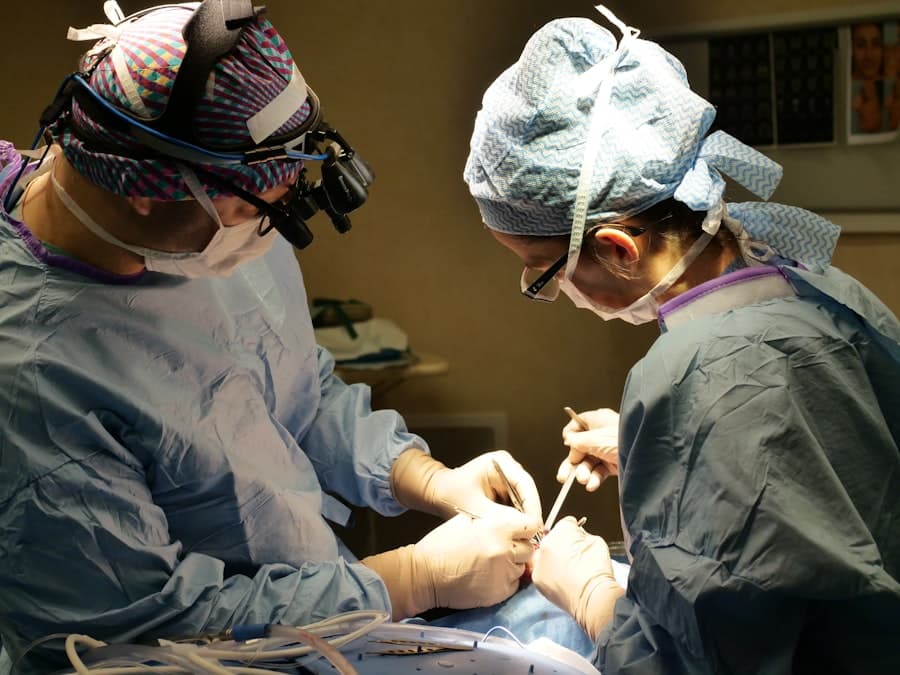
Once you’ve decided to proceed with dental implants, understanding the actual surgical process is the next logical step. The procedure, while involving surgery, is designed to be as minimally invasive and comfortable as possible, with advancements in techniques and anesthesia contributing to this.
Anesthesia and Sedation Options
To ensure your comfort during the procedure, various anesthesia and sedation options are available.
Local Anesthesia: The Standard Approach
In most cases, local anesthesia is sufficient to numb the surgical area. You will be awake but will not feel any pain during the procedure. Think of it as numbing a small section of land before construction begins.
Sedation for Enhanced Comfort
For patients who experience anxiety or are undergoing more extensive procedures, conscious sedation or even general anesthesia may be recommended. This helps you relax and can often lead to better patient compliance and a more positive experience.
The Surgical Placement of the Implant
The core of the procedure involves surgically placing the titanium implant into the jawbone.
Incision and Exposure
A small incision is made in the gum tissue to expose the jawbone where the implant will be placed. The size and placement of this incision are carefully planned to minimize disruption.
Drilling and Implant Insertion
Using specialized drills, precise holes are created in the jawbone to accommodate the implant. The implant is then carefully inserted into these prepared sites. The surgeon will ensure the implant is stable and properly positioned.
Closing the Incision
Once the implant is in place, the gum tissue is typically closed with dissolvable sutures. In some cases, a healing abutment might be placed, which protrudes through the gum and helps to shape the surrounding tissue.
The Healing Period: Osseointegration at Work
Following the surgical placement, a crucial healing period of several months is required. This is when osseointegration occurs – the fusion of the implant with the jawbone.
Patience as a Virtue
This period is critical for the long-term success of your implants. During this time, the implant is essentially becoming a part of your jawbone. Avoid putting excessive pressure on the implant site.
Monitoring Progress
Your dentist will schedule follow-up appointments to monitor the healing process and ensure osseointegration is proceeding as expected.
Post-Operative Care and Long-Term Maintenance
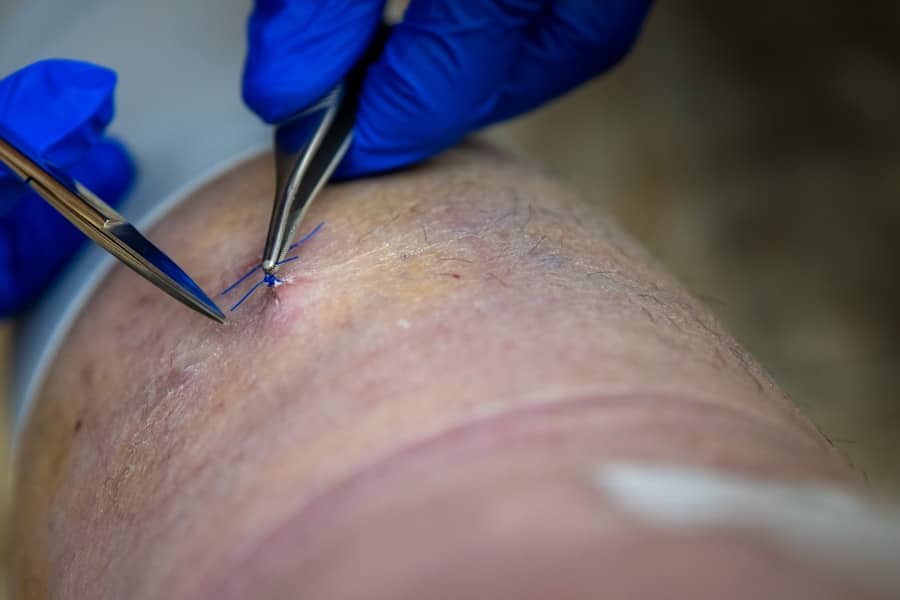
The success of your dental implants extends far beyond the surgical appointment. Diligent post-operative care and a commitment to long-term maintenance are essential for preserving their function and aesthetic appeal.
Immediate Post-Operative Instructions
Following surgery, you’ll receive specific instructions to aid in your initial recovery.
Managing Discomfort and Swelling
Pain medication will likely be prescribed for any discomfort. Ice packs can help reduce swelling. Following these instructions meticulously is your first step in ensuring a smooth healing process.
Diet Modifications
You will likely need to stick to a soft diet for a period after surgery to avoid putting stress on the implant site. Slowly reintroducing firmer foods as advised by your dentist is key.
Oral Hygiene Practices
Maintaining impeccable oral hygiene is paramount. Gentle brushing and rinsing instructions will be provided to keep the surgical site clean without causing irritation.
Long-Term Oral Hygiene for Implants
Once the implants have fully integrated and your crowns are in place, your daily oral hygiene routine will resemble that of natural teeth, with a few important considerations.
Brushing and Flossing Technique
Regular brushing with a soft-bristled toothbrush is essential. Special attention should be paid to cleaning around the abutment and crown to prevent plaque buildup. Flossing daily, using specialized floss holders or interdental brushes, is crucial for reaching areas traditional floss might miss.
The Role of Mouthwash
An antimicrobial mouthwash may be recommended to further reduce bacteria in your mouth, but always follow your dentist’s specific advice.
Regular Dental Check-ups: The Cornerstone of Implant Longevity
Consistent professional dental care is non-negotiable for the longevity of your dental implants.
Professional Cleanings
Your dentist and hygienist will perform thorough cleanings, paying special attention to the implant components. They can identify potential issues early, before they become significant problems.
Monitoring Implant Health
During your check-ups, the dentist will assess the health of the gums around the implants, check for any signs of loosening, and monitor the overall stability of the implant system. This proactive approach is your best defense against complications.
If you are considering dental implants, the Implant Consultation Adriatica Village in McKinney, TX, offers expert guidance and personalized care to help you achieve a beautiful smile. For those interested in understanding the financial aspects of dental implants, you might find this article on the costs of dental implants particularly informative, as it provides insights into pricing and factors that influence the overall investment in your dental health.
Choosing a Qualified Dental Professional at Adriatica Village
| Metric | Details |
|---|---|
| Location | Adriatica Village, McKinney, TX |
| Consultation Type | Dental Implant Consultation |
| Average Consultation Duration | 45 minutes |
| Initial Assessment | Oral examination, X-rays, and CT scan if needed |
| Consultation Fee | Varies by provider |
| Follow-up Appointment | Scheduled based on treatment plan |
| Patient Satisfaction Rate | Approximately 90% |
| Common Treatment Options Discussed | Single implants, multiple implants, implant-supported dentures |
| Insurance Accepted | Varies; many providers accept major dental insurance plans |
Selecting the right dental professional is perhaps the most critical step in your implant journey. When considering Adriatica Village in McKinney, Texas, you’re looking for a practice that combines expertise with a patient-centered approach.
Qualifications and Experience
The credentials of the dental professionals are a primary consideration.
Specialist Training
Look for dentists who have specialized training in implantology. This often means completing extensive continuing education courses or holding certifications in implant dentistry. Experienced surgeons have a deeper understanding of the nuances of bone anatomy, nerve pathways, and the various implant systems available.
Track Record of Success
Inquire about the dentist’s experience with placing dental implants. How many procedures have they performed? Can they provide examples of their work? While direct patient testimonials are often proprietary, understanding the practitioner’s success rate and approach is valuable.
Technology and Treatment Philosophy
The technology and overall approach of a dental practice can significantly impact your experience and the outcome of your treatment.
State-of-the-Art Equipment
A modern dental practice will likely invest in advanced technology, such as 3D CBCT scanners, which are crucial for accurate diagnosis and treatment planning. The availability of advanced diagnostic tools suggests a commitment to precision.
Patient-Centered Care
Beyond technical skills, you should feel comfortable and well-cared for. Does the practice prioritize patient education? Do they take the time to answer all your questions? A practice that embraces a patient-centered philosophy will make you feel like an active participant in your treatment.
Comprehensive Consultation and Planning
The initial consultation is a reflection of the practice’s commitment to thoroughness.
In-Depth Assessment
A detailed examination, discussion of your medical history, and comprehensive diagnostic imaging should be standard during the initial consultation. This ensures a personalized and effective treatment plan.
Clear Communication of the Plan
The dentist should clearly explain the proposed treatment plan, including the steps involved, the expected timeline, potential risks, and the associated costs. There should be no ambiguity about the path forward.
The Adriatica Village Setting: A Blend of Health and Ambiance
While the dental expertise is paramount, the setting of Adriatica Village in McKinney, Texas, offers an additional layer of consideration. The village’s unique, European-inspired architecture is known for its picturesque streets, waterfront views, and charming atmosphere.
A Serene Environment
The ambiance of Adriatica Village can contribute to a more relaxed and calming experience for your consultations and any subsequent appointments. For some, a pleasant environment can help alleviate dental anxieties.
Accessibility and Convenience
Consider the accessibility of the clinic within Adriatica Village. Is it easy to find? Are there convenient parking options? While not directly related to the dental procedure itself, these practical considerations can ease the logistical aspects of your treatment journey.
In essence, when you venture to Adriatica Village for your dental implant consultation, you are not just seeking a dental procedure; you are embarking on a quest for restoration within a setting that aims to be both professional and pleasant. Your informed decision, built on understanding and clarity, will be your strongest ally as you move towards a healthier, more confident smile.
FAQs
What is an implant consultation at Adriatica Village in McKinney, TX?
An implant consultation at Adriatica Village in McKinney, TX is a preliminary appointment where a dental professional evaluates your oral health and discusses the possibility of dental implants as a treatment option. This consultation includes a review of your medical history, dental examination, and imaging if necessary.
Who is a good candidate for dental implants?
Good candidates for dental implants generally have healthy gums, sufficient bone density in the jaw to support the implant, and are free from conditions that could impair healing, such as uncontrolled diabetes or heavy smoking. The consultation helps determine if you meet these criteria.
What can I expect during the implant consultation?
During the consultation, the dentist will assess your dental and medical history, perform a thorough oral examination, and may take X-rays or 3D scans to evaluate bone structure. They will discuss your goals, explain the implant procedure, and answer any questions you have.
How long does the implant process take after the consultation?
The implant process timeline varies depending on individual cases but typically involves several stages including implant placement, healing time (osseointegration), and placement of the final crown or prosthesis. This process can take several months from consultation to completion.
Are dental implants at Adriatica Village covered by insurance?
Insurance coverage for dental implants varies by provider and plan. During the consultation, the staff at Adriatica Village can help you understand your insurance benefits and discuss payment options or financing plans available for implant treatment.