
Dental implants have revolutionized the field of dentistry, offering a permanent solution for those who have lost teeth due to injury, decay, or other reasons. If you find yourself in need of tooth replacement, understanding what dental implants are and how they work is crucial. Essentially, a dental implant consists of a titanium post that is surgically placed into your jawbone, acting as a sturdy foundation for a replacement tooth or bridge.
This post integrates with your bone through a process called osseointegration, providing a strong and durable support system that mimics the function of natural tooth roots. You may be wondering about the benefits of choosing dental implants over other tooth replacement options, such as dentures or bridges. One significant advantage is their longevity; with proper care, dental implants can last a lifetime.
Additionally, they help preserve the jawbone, preventing the bone loss that often occurs after tooth loss. This not only maintains your facial structure but also enhances your overall oral health. Understanding these aspects can help you make an informed decision about whether dental implants are the right choice for you.
Key Takeaways
- Dental implants are a permanent solution for missing teeth and can improve overall oral health and function.
- Preparing for dental implant surgery involves thorough consultation with a dental professional and following pre-surgery instructions for a successful procedure.
- Post-surgery care is crucial for proper healing and recovery, including following all post-operative instructions and attending follow-up appointments.
- Maintaining oral hygiene around dental implants requires regular brushing, flossing, and using antimicrobial mouthwash to prevent plaque buildup and gum disease.
- A balanced diet and nutrition are important for dental implant health, including avoiding hard and sticky foods that can damage implants and consuming plenty of fruits and vegetables for overall oral health.
Preparing for Dental Implant Surgery: Tips for a Successful Procedure
Preparation is key when it comes to ensuring a successful dental implant surgery. Before the procedure, your dentist will conduct a thorough examination, which may include X-rays or 3D imaging to assess your jawbone’s condition and determine the best placement for the implant. You should be prepared to discuss your medical history and any medications you are currently taking, as this information can influence the surgery’s outcome.
Being open and honest with your dentist will help them tailor the procedure to your specific needs. In the days leading up to your surgery, there are several steps you can take to enhance your readiness. First, consider arranging for someone to drive you home after the procedure, as you may be under sedation or anesthesia.
Additionally, it’s wise to avoid smoking and limit alcohol consumption, as these habits can hinder healing and increase the risk of complications. You should also stock up on soft foods and pain relief medications to ease your recovery process. By taking these proactive measures, you can set yourself up for a smoother surgical experience.
Post-Surgery Care: How to Ensure Proper Healing and Recovery

After your dental implant surgery, proper post-operative care is essential for ensuring optimal healing and recovery. Initially, you may experience some swelling and discomfort, which is entirely normal. Your dentist will likely prescribe pain medication or recommend over-the-counter options to help manage any discomfort.
It’s important to follow their instructions closely and take medications as directed to minimize pain and promote healing. In addition to managing pain, you should pay close attention to your oral hygiene during the recovery period. While it’s crucial to keep the surgical site clean, you should be gentle when brushing and flossing around the implant area.
Your dentist may provide specific instructions on how to care for your mouth in the days following surgery. Avoiding strenuous activities and sticking to a soft diet will also aid in your recovery. By adhering to these guidelines, you can help ensure that your dental implants heal properly and integrate successfully with your jawbone.
Maintaining Oral Hygiene: Best Practices for Cleaning Around Dental Implants
Once your dental implants have healed, maintaining excellent oral hygiene becomes paramount in ensuring their longevity. Unlike natural teeth, dental implants do not decay; however, they can still be affected by gum disease if not properly cared for. You should establish a daily oral hygiene routine that includes brushing at least twice a day with a soft-bristled toothbrush and fluoride toothpaste.
Pay special attention to the area around the implant, as plaque can accumulate there just like it does around natural teeth. Flossing is equally important in maintaining the health of your dental implants. You may want to consider using specialized floss or interdental brushes designed for cleaning around implants.
These tools can help you reach areas that traditional floss might miss. Additionally, regular visits to your dentist for professional cleanings will help keep your implants in top condition. By prioritizing oral hygiene, you can significantly reduce the risk of complications and ensure that your dental implants remain healthy for years to come.
Diet and Nutrition: Foods to Eat and Avoid for Dental Implant Health
Your diet plays a crucial role in the health of your dental implants. After surgery, it’s essential to consume foods that promote healing and support bone health. Soft foods such as yogurt, mashed potatoes, smoothies, and soups are excellent choices during the initial recovery phase.
These options are easy to eat and won’t put undue stress on your healing gums or implants. As you progress in your recovery, gradually reintroducing more solid foods will help strengthen your jawbone and maintain overall health. Conversely, there are certain foods you should avoid to protect your dental implants.
Hard or crunchy foods can pose a risk of damaging the implant or causing discomfort during the healing process. Sticky foods like caramel or taffy can also be problematic, as they may adhere to the implant and make cleaning difficult. Additionally, sugary foods can contribute to plaque buildup and increase the risk of gum disease around your implants.
By being mindful of your diet and making informed choices, you can support the long-term success of your dental implants.
Regular Dental Check-ups: Why They’re Important for Implant Maintenance
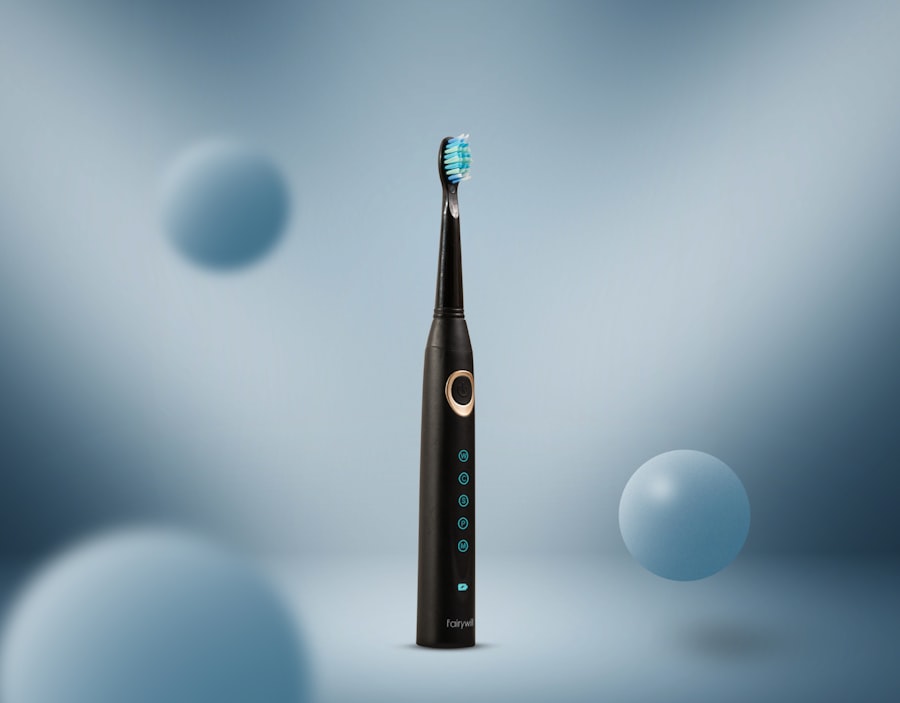
Regular dental check-ups are vital for maintaining the health of your dental implants and overall oral health. During these visits, your dentist will assess the condition of your implants and surrounding tissues, ensuring that everything is functioning as it should be. They will also perform professional cleanings that remove plaque and tartar buildup that regular brushing may miss.
These cleanings are essential in preventing gum disease and other complications that could jeopardize the integrity of your implants. In addition to routine check-ups, your dentist may recommend periodic X-rays to monitor the bone surrounding your implants. This proactive approach allows for early detection of any potential issues before they become serious problems.
By committing to regular dental visits, you not only safeguard your investment in dental implants but also contribute to your overall oral health and well-being.
Avoiding Complications: Tips for Preventing Infections and Other Issues
While dental implants are generally safe and effective, complications can arise if proper care is not taken. One of the most significant risks is infection at the surgical site, which can hinder healing and lead to implant failure. To minimize this risk, it’s crucial to follow all post-operative care instructions provided by your dentist diligently.
This includes taking prescribed antibiotics if necessary and maintaining excellent oral hygiene. Additionally, avoiding tobacco products is essential in preventing complications related to dental implants. Smoking can impair blood flow to the gums and slow down healing, increasing the likelihood of infection or implant failure.
If you smoke, consider seeking support to quit before undergoing surgery or during your recovery period. By being proactive about these potential risks, you can significantly enhance the success rate of your dental implants.
Long-Term Care: How to Keep Your Dental Implants Healthy for Years to Come
Long-term care of your dental implants involves a combination of good oral hygiene practices, regular dental visits, and lifestyle choices that promote oral health. As mentioned earlier, maintaining a consistent routine of brushing and flossing is essential in preventing plaque buildup around your implants. You should also be vigilant about any changes in your mouth or discomfort around the implant area; if something feels off, don’t hesitate to contact your dentist.
In addition to oral hygiene practices, adopting a healthy lifestyle can contribute significantly to the longevity of your dental implants. Eating a balanced diet rich in vitamins and minerals supports bone health while avoiding harmful habits like smoking protects against complications. Staying hydrated is also important; drinking plenty of water helps wash away food particles and bacteria that could lead to gum disease.
By prioritizing these aspects of care, you can enjoy the benefits of your dental implants for many years to come. In conclusion, understanding dental implants and their care is essential for anyone considering this tooth replacement option. From preparation for surgery through long-term maintenance, each step plays a critical role in ensuring successful outcomes and lasting health benefits.
By following these guidelines and staying informed about best practices, you can confidently navigate your journey with dental implants and enjoy a beautiful smile for years ahead.
If you are considering getting dental implants, it is important to also be aware of the costs associated with the procedure. A related article on Costs for Dental Implants in Hempstead, New York provides valuable information on the average costs for dental implants in that area. Understanding the financial aspect of dental implants can help you plan and budget accordingly for your oral health care.
FAQs
What are dental implants?
Dental implants are artificial tooth roots that are placed in the jaw to support a replacement tooth or bridge. They are a popular and effective long-term solution for people who have lost one or more teeth.
How do I care for my dental implants?
Caring for dental implants is similar to caring for natural teeth. It is important to brush and floss regularly, and to visit your dentist for regular check-ups and cleanings. It is also important to avoid chewing on hard objects and to avoid smoking, as these can damage the implants.
Can dental implants get cavities?
No, dental implants cannot get cavities. However, it is still important to maintain good oral hygiene to prevent gum disease and other issues that can affect the health of the implants.
How long do dental implants last?
With proper care, dental implants can last a lifetime. It is important to follow your dentist’s instructions for care and maintenance to ensure the longevity of your implants.
What are some tips for maintaining dental implants?
Some tips for maintaining dental implants include practicing good oral hygiene, avoiding chewing on hard objects, avoiding smoking, and visiting your dentist regularly for check-ups and cleanings. It is also important to follow any specific care instructions provided by your dentist.