
When you think about restoring your smile after tooth loss, dental implants may come to mind as a viable solution. Essentially, dental implants are artificial tooth roots made from biocompatible materials, typically titanium, that are surgically placed into your jawbone. This innovative approach not only provides a stable foundation for replacement teeth but also mimics the natural function of your teeth.
By understanding how dental implants work, you can make informed decisions about your oral health and the best options available for you. The process of getting dental implants involves several stages, starting with a thorough evaluation by your dentist or oral surgeon. They will assess your oral health, bone density, and overall suitability for the procedure.
Once you are deemed a good candidate, the implant is surgically inserted into your jawbone, where it will eventually fuse with the bone in a process called osseointegration. This integration is crucial as it ensures the stability and longevity of the implant, allowing you to enjoy a functional and aesthetically pleasing smile for years to come.
Key Takeaways
- Dental implants are artificial tooth roots that are surgically placed into the jawbone to support a replacement tooth or bridge.
- There are two main types of dental implants: endosteal implants, which are placed in the jawbone, and subperiosteal implants, which are placed on top of the jawbone.
- When choosing dental implants, factors to consider include the patient’s overall health, the condition of the jawbone, and the location of the missing tooth or teeth.
- Benefits of dental implants include improved appearance, speech, comfort, and oral health, as well as durability and convenience.
- Risks and complications of dental implants may include infection, nerve damage, and implant failure, but these are rare and can often be avoided with proper care and maintenance.
Types of Dental Implants
As you explore the world of dental implants, you’ll discover that there are several types designed to meet different needs and preferences. The most common type is the endosteal implant, which is placed directly into the jawbone. This type is typically used for patients with sufficient bone density and is often considered the gold standard in dental implantology.
Endosteal implants can support single crowns, bridges, or even full dentures, making them a versatile option for many individuals. Another type you might encounter is the subperiosteal implant. Unlike endosteal implants, subperiosteal implants are placed under the gum but above the jawbone.
This option is generally recommended for patients who may not have enough bone height for an endosteal implant but still want a fixed solution for tooth replacement. Additionally, there are zygomatic implants, which are anchored in the cheekbone rather than the jawbone. These are typically used in more complex cases where traditional implants may not be feasible due to severe bone loss.
Factors to Consider When Choosing Dental Implants

When considering dental implants, several factors come into play that can influence your decision. One of the most critical aspects is your overall oral health. Conditions such as gum disease or insufficient bone density can affect your candidacy for implants.
Your dentist will conduct a comprehensive evaluation to determine if you need any preliminary treatments before proceeding with the implant procedure. Addressing these issues upfront can significantly enhance the success rate of your dental implants. Another factor to consider is your lifestyle and personal preferences.
For instance, if you lead an active lifestyle or have specific aesthetic goals, discussing these with your dentist can help tailor the treatment plan to suit your needs. Additionally, financial considerations are essential; dental implants can be a significant investment, so understanding your insurance coverage and financing options is crucial. By weighing these factors carefully, you can make a well-informed decision that aligns with your health goals and lifestyle.
Benefits of Dental Implants
The advantages of dental implants extend far beyond mere aesthetics; they offer numerous functional and psychological benefits as well. One of the most significant benefits is their ability to restore chewing efficiency. Unlike dentures, which can slip or cause discomfort while eating, dental implants provide a stable and secure foundation for replacement teeth.
This stability allows you to enjoy your favorite foods without fear of discomfort or embarrassment. Moreover, dental implants contribute to preserving jawbone health. When a tooth is lost, the underlying bone can begin to deteriorate over time due to lack of stimulation.
Implants act as artificial roots that stimulate the jawbone during chewing, helping to maintain its density and structure. This not only supports facial aesthetics but also prevents further dental complications down the line. The psychological benefits should not be overlooked either; many individuals report increased confidence and improved self-esteem after receiving dental implants, allowing them to smile freely and engage socially without hesitation.
Risks and Complications of Dental Implants
While dental implants are generally considered safe and effective, it’s essential to be aware of potential risks and complications associated with the procedure. One common concern is infection at the implant site, which can occur if proper hygiene practices are not followed during recovery. In some cases, this infection can lead to implant failure if not addressed promptly.
Therefore, maintaining good oral hygiene and following your dentist’s aftercare instructions is crucial for minimizing this risk. Another potential complication is nerve damage, which can result in pain or numbness in the surrounding areas if the implant is placed too close to nerve endings. Additionally, issues such as sinus problems may arise if upper jaw implants protrude into sinus cavities.
While these complications are relatively rare, being informed about them allows you to discuss any concerns with your dentist beforehand and take proactive measures to ensure a successful outcome.
The Dental Implant Procedure
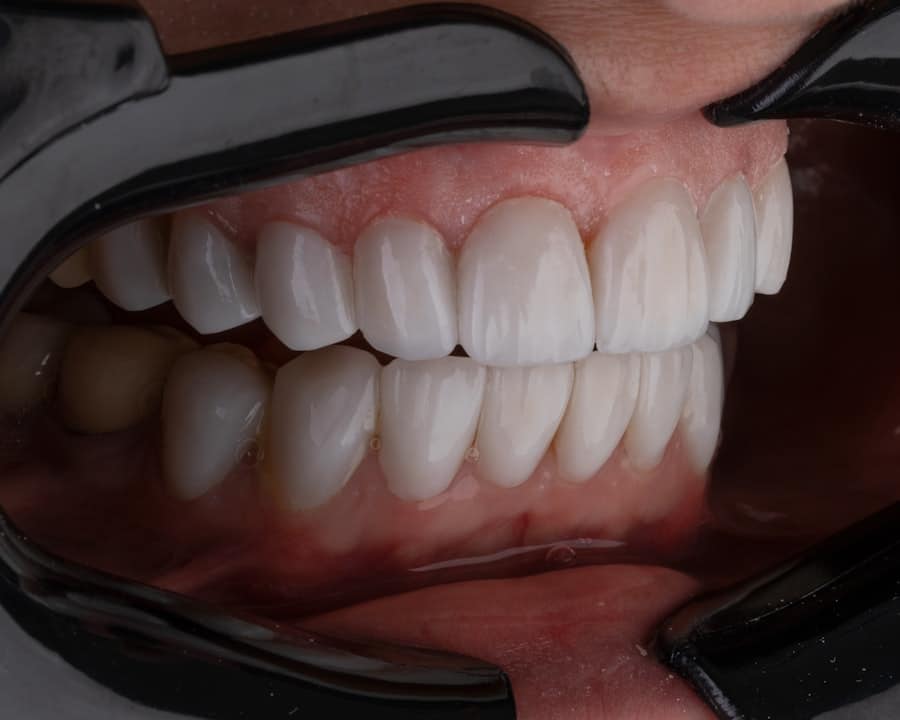
The journey to obtaining dental implants typically involves multiple steps that span several months. Initially, you will undergo a comprehensive consultation where your dentist will evaluate your oral health and take imaging scans to assess bone density and structure. If necessary, preliminary procedures such as bone grafting may be performed to ensure there is adequate bone for implant placement.
Once you are ready for the implant surgery, the procedure itself usually takes place under local anesthesia or sedation to ensure your comfort. The dentist will create an incision in your gum tissue to expose the jawbone before drilling a small hole where the implant will be placed. After inserting the implant, the gum tissue is sutured back into place.
Following this initial surgery, a healing period of several months is required for osseointegration to occur before any abutments or crowns are attached.
Aftercare and Maintenance of Dental Implants
After receiving dental implants, proper aftercare is vital for ensuring their longevity and success. Immediately following surgery, you may experience some swelling and discomfort; however, these symptoms typically subside within a few days. Your dentist will provide specific aftercare instructions that may include recommendations for pain management and dietary adjustments during the initial healing phase.
Long-term maintenance of dental implants involves regular dental check-ups and good oral hygiene practices similar to those required for natural teeth. Brushing twice daily and flossing regularly will help prevent plaque buildup around the implant site. Additionally, avoiding tobacco products can significantly enhance healing and reduce the risk of complications.
By committing to these practices, you can enjoy the benefits of your dental implants for many years.
Comparing Dental Implants to Other Tooth Replacement Options
When considering tooth replacement options, it’s essential to compare dental implants with alternatives such as dentures and bridges. While dentures are removable and may be more affordable upfront, they often come with challenges like slippage and discomfort during eating or speaking. In contrast, dental implants provide a permanent solution that mimics natural teeth in both function and appearance.
Bridges are another option that involves anchoring artificial teeth to adjacent natural teeth; however, this method requires altering healthy teeth for support. Unlike bridges, dental implants do not compromise surrounding teeth and help maintain jawbone integrity over time. Ultimately, while each option has its pros and cons, many individuals find that dental implants offer superior benefits in terms of stability, aesthetics, and long-term oral health.
In conclusion, understanding dental implants involves recognizing their types, benefits, risks, and maintenance requirements. By considering these factors carefully and consulting with your dentist, you can make an informed decision that aligns with your oral health goals and lifestyle preferences. Whether you’re looking to restore functionality or enhance your smile’s appearance, dental implants may be an excellent choice for achieving lasting results.
If you are interested in learning more about the costs associated with dental implants in different locations, you may want to check out this article on Costs for Dental Implants in Hesperia, California. This article provides valuable information on the expenses involved in getting dental implants in that specific area. It can be a helpful resource for those considering this type of dental procedure.
FAQs
What are dental implants?
Dental implants are artificial tooth roots that are placed into the jaw to hold a replacement tooth or bridge. They provide a strong foundation for fixed or removable replacement teeth.
What are the different types of dental implants?
There are several types of dental implants, including endosteal implants, subperiosteal implants, and zygomatic implants. Endosteal implants are the most common and are placed directly into the jawbone. Subperiosteal implants are placed on top of the jawbone but underneath the gum tissue. Zygomatic implants are longer and are used in cases where the jawbone is too thin for traditional implants.
What are the benefits of dental implants?
Dental implants provide several benefits, including improved appearance, improved speech, enhanced comfort, easier eating, improved oral health, and durability. They also help to preserve facial structure and prevent bone deterioration.
Who is a good candidate for dental implants?
Good candidates for dental implants are individuals with good oral health, sufficient bone density in the jaw, and healthy gums. They should also be committed to maintaining good oral hygiene and attending regular dental check-ups.
What is the success rate of dental implants?
The success rate of dental implants is high, with studies showing success rates of up to 98%. However, the success of the implants depends on the individual’s oral health, the skill of the dentist, and proper aftercare.