
Dental implants are sophisticated dental devices designed to replace missing teeth. They consist of a titanium post that is surgically inserted into the jawbone, acting as a sturdy foundation for artificial teeth. This post mimics the root of a natural tooth, providing stability and support for crowns, bridges, or dentures that are placed on top.
The process of osseointegration occurs when the bone fuses with the implant, creating a strong bond that ensures durability and longevity. This innovative solution has revolutionized the field of dentistry, offering patients a reliable alternative to traditional tooth replacement methods. The appeal of dental implants lies not only in their functionality but also in their aesthetic qualities.
Unlike removable dentures, which can shift and cause discomfort, implants are fixed in place, allowing you to eat, speak, and smile with confidence. They are designed to look and feel like natural teeth, making them an attractive option for those seeking a seamless restoration. With advancements in technology and materials, dental implants have become increasingly accessible and effective, making them a popular choice for individuals looking to restore their oral health.
Key Takeaways
- Dental implants are artificial tooth roots that are placed in the jaw to support a replacement tooth or bridge.
- Advantages of dental implants include improved appearance, speech, comfort, and oral health, as well as durability and convenience.
- There are two main types of dental implants: endosteal implants, which are placed in the jawbone, and subperiosteal implants, which are placed on top of the jawbone.
- The dental implant procedure involves several steps, including consultation, implant placement, healing, and attachment of the replacement tooth or bridge.
- Candidates for dental implants should have good oral and overall health, adequate jawbone density, and a commitment to maintaining oral hygiene and regular dental visits.
Advantages of Dental Implants
One of the most significant advantages of dental implants is their durability. When properly cared for, they can last a lifetime, making them a cost-effective solution in the long run. Unlike bridges or dentures that may need to be replaced every few years, implants provide a permanent solution that eliminates the need for frequent adjustments or replacements.
This longevity is particularly appealing for those who want to avoid the hassle and expense of ongoing dental work. Another key benefit is the preservation of jawbone health. When a tooth is lost, the underlying bone can begin to deteriorate due to lack of stimulation.
Dental implants help maintain bone density by providing the necessary support that natural teeth would offer. This not only prevents further tooth loss but also helps maintain your facial structure, preventing the sunken appearance that can occur with missing teeth. By choosing implants, you are investing in both your oral health and your overall appearance.
Types of Dental Implants

There are several types of dental implants available, each designed to meet specific needs and preferences. The most common type is the endosteal implant, which is placed directly into the jawbone. This type is typically made of titanium and is suitable for most patients who have sufficient bone density.
Endosteal implants can support single crowns, bridges, or even full arch restorations, making them versatile for various dental situations. Another option is the subperiosteal implant, which is placed under the gum but above the jawbone. This type is often recommended for patients who may not have enough bone height for an endosteal implant but still want a fixed solution.
Subperiosteal implants can be a great alternative for those who prefer not to undergo bone grafting procedures. Understanding the different types of implants available allows you to make an informed decision based on your unique dental needs and circumstances.
The Dental Implant Procedure
The dental implant procedure typically involves several stages, beginning with a comprehensive evaluation by your dentist or oral surgeon. This initial consultation may include X-rays and 3D imaging to assess your jawbone structure and determine the best approach for your specific case. Once you are deemed a suitable candidate, the first step involves placing the titanium post into your jawbone under local anesthesia.
This surgical procedure usually takes about one to two hours. After the implant is placed, a healing period follows, during which osseointegration occurs. This process can take several months as your bone fuses with the implant, creating a solid foundation for your new tooth.
Once healing is complete, you will return to your dentist for the placement of an abutment—a small connector piece that holds the crown in place. Finally, a custom-made crown will be attached to the abutment, completing your restoration. Throughout this process, your dental team will guide you and ensure that you are comfortable every step of the way.
Who is a Candidate for Dental Implants?
While dental implants offer numerous benefits, not everyone is an ideal candidate for this procedure. Generally, good candidates are individuals who have lost one or more teeth due to injury, decay, or periodontal disease. However, certain factors must be considered before proceeding with implants.
For instance, sufficient jawbone density is crucial for supporting the implant; if you have experienced significant bone loss, you may require a bone graft before implantation. Additionally, your overall health plays a vital role in determining candidacy. Conditions such as uncontrolled diabetes or autoimmune diseases can affect healing and increase the risk of complications.
Smoking can also hinder recovery and impact the success rate of implants. During your initial consultation, your dentist will evaluate your medical history and conduct necessary tests to determine if dental implants are right for you.
When considering tooth replacement options, it’s essential to weigh the pros and cons of each method. Traditional dentures are one alternative; while they are less invasive and more affordable upfront, they often come with drawbacks such as discomfort and instability. Dentures can shift while eating or speaking, leading to embarrassment and difficulty in daily activities.
Additionally, they do not prevent bone loss in the jaw, which can lead to further complications over time. Bridges are another option that can effectively replace one or more missing teeth by anchoring onto adjacent teeth. However, this method requires altering healthy teeth to support the bridge, which may not be ideal for everyone.
In contrast, dental implants offer a more permanent solution without compromising surrounding teeth. They provide stability and function similar to natural teeth while promoting jawbone health—benefits that other options cannot match.
Caring for Dental Implants
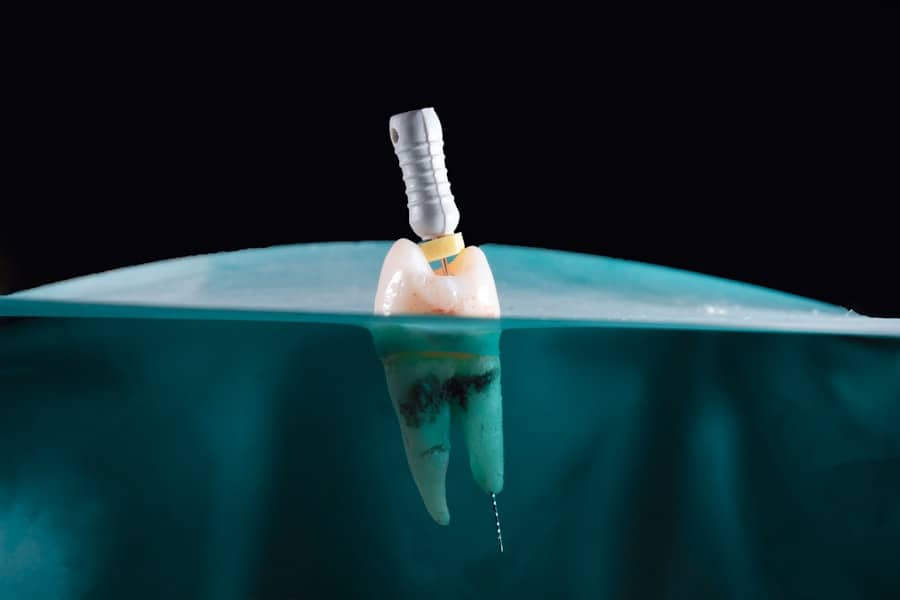
Caring for dental implants is similar to maintaining natural teeth; good oral hygiene practices are essential for their longevity and success. Brushing twice daily with fluoride toothpaste and flossing regularly will help prevent plaque buildup and gum disease around the implant site. Additionally, using an antibacterial mouthwash can further enhance your oral care routine by reducing harmful bacteria in your mouth.
Regular dental check-ups are also crucial for monitoring the health of your implants and surrounding tissues. Your dentist will assess the condition of your implants during these visits and provide professional cleanings as needed. By committing to proper care and maintenance, you can ensure that your dental implants remain functional and aesthetically pleasing for many years to come.
Cost and Insurance Coverage for Dental Implants
The cost of dental implants can vary significantly based on several factors, including the complexity of your case, the type of implant used, and any additional procedures required (such as bone grafting). On average, you might expect to pay anywhere from $3,000 to $4,500 per implant; however, this price can increase depending on individual circumstances. Insurance coverage for dental implants also varies widely among providers.
While some plans may cover a portion of the costs associated with implants, others may not provide any coverage at all. It’s essential to check with your insurance company to understand your benefits fully and explore financing options if needed. Many dental practices offer payment plans or financing solutions to help make dental implants more accessible.
In conclusion, dental implants represent a remarkable advancement in restorative dentistry that offers numerous benefits over traditional tooth replacement options. By understanding what they are, their advantages, types available, and the procedure involved, you can make an informed decision about whether they are right for you. If you’re considering dental implants as a solution for missing teeth, consult with your dentist to explore your options and take the first step toward restoring your smile and confidence.
If you are considering dental implants as a tooth replacement option, you may be interested in learning more about the costs associated with the procedure. A related article on Costs for Dental Implants in Hawthorne, California provides valuable information on the expenses involved in getting dental implants in that area. Understanding the costs can help you make an informed decision about whether dental implants are the right choice for you.
FAQs
What are dental implants?
Dental implants are artificial tooth roots that are surgically placed into the jawbone to support a replacement tooth or bridge.
Why are dental implants considered the superior choice for tooth replacement?
Dental implants are considered superior to other tooth replacement options because they are durable, long-lasting, and function like natural teeth. They also help preserve the jawbone and maintain the overall structure of the mouth.
Who is a good candidate for dental implants?
Good candidates for dental implants are individuals with good oral health, sufficient jawbone density, and healthy gums. They should also be committed to maintaining good oral hygiene and regular dental visits.
What is the success rate of dental implants?
The success rate of dental implants is very high, with an average success rate of 95% or higher. Proper care and maintenance can contribute to the long-term success of dental implants.
How long do dental implants last?
With proper care and maintenance, dental implants can last a lifetime. They are designed to be a permanent solution for tooth replacement.
What is the process for getting dental implants?
The process for getting dental implants typically involves a consultation, dental implant placement surgery, and a period of healing before the final restoration is attached. The entire process can take several months to complete.
Are dental implants covered by insurance?
Some dental insurance plans may cover a portion of the cost of dental implants, but coverage varies by plan. It’s important to check with your insurance provider to understand your specific coverage.