
When it comes to replacing missing teeth, you may find yourself weighing the options between dental implants and dentures. Both solutions serve the purpose of restoring your smile and improving functionality, but they differ significantly in terms of structure, longevity, and overall experience. Dental implants are surgically placed into your jawbone, acting as artificial tooth roots that provide a stable foundation for replacement teeth.
This means that they integrate with your bone, offering a permanent solution that mimics the natural feel and function of your teeth. On the other hand, dentures are removable appliances that can replace multiple missing teeth or an entire arch. They rest on your gums and are held in place by suction or adhesive.
While dentures can be a more affordable and less invasive option, they often require adjustments over time and may not provide the same level of comfort or functionality as dental implants. Understanding these fundamental differences is crucial in making an informed decision about which option is best suited for your needs.
Key Takeaways
- Dental implants are permanent fixtures that are surgically implanted into the jawbone, while dentures are removable prosthetic devices that sit on top of the gums.
- Dental implants provide a more natural look and feel, better stability, and improved chewing ability compared to dentures.
- Dentures are a more affordable option, easier to repair and adjust, and do not require surgery for placement.
- The process of getting dental implants involves multiple stages, including a consultation, surgery, healing period, and placement of the artificial tooth.
- The process of getting dentures involves taking impressions of the mouth, creating a custom mold, and fitting the dentures to the patient’s mouth.
Long-Term Solution
This longevity is largely due to their integration with the jawbone, which helps to preserve bone density and prevent the facial sagging that can occur with tooth loss. As a result, individuals with dental implants can enjoy a wide range of benefits that improve their overall quality of life.
Improved Quality of Life
You may find that the stability provided by dental implants allows you to enjoy a wider variety of foods without the fear of your teeth slipping or causing discomfort. Additionally, dental implants can enhance your overall quality of life. With implants, you can speak and eat with confidence, knowing that your replacement teeth will remain securely in place.
Enhanced Self-Esteem
Many people report feeling more self-assured and satisfied with their appearance after receiving implants, as they closely resemble natural teeth in both function and aesthetics. This boost in self-esteem can have a positive ripple effect on various aspects of your life, from social interactions to professional opportunities.
Overall Benefits
With the confidence that comes from having a complete and healthy-looking smile, individuals with dental implants can take advantage of new personal and professional opportunities, leading to a more fulfilling life.
The Advantages of Dentures
While dental implants offer numerous benefits, dentures also come with their own set of advantages that may appeal to you. One of the most notable benefits is the lower initial cost compared to dental implants. If you are on a tight budget or do not have dental insurance that covers implants, dentures can be a more accessible option for restoring your smile.
They can be customized to fit your mouth comfortably and can be made quickly, allowing you to achieve a new smile in a relatively short time frame. Moreover, dentures are non-invasive and do not require surgery, making them an attractive choice for those who may be apprehensive about surgical procedures. The process of getting dentures typically involves fewer appointments and less recovery time than dental implants.
For individuals who may have health concerns or conditions that complicate surgical options, dentures can provide a practical solution without the associated risks.
The Process of Getting Dental Implants
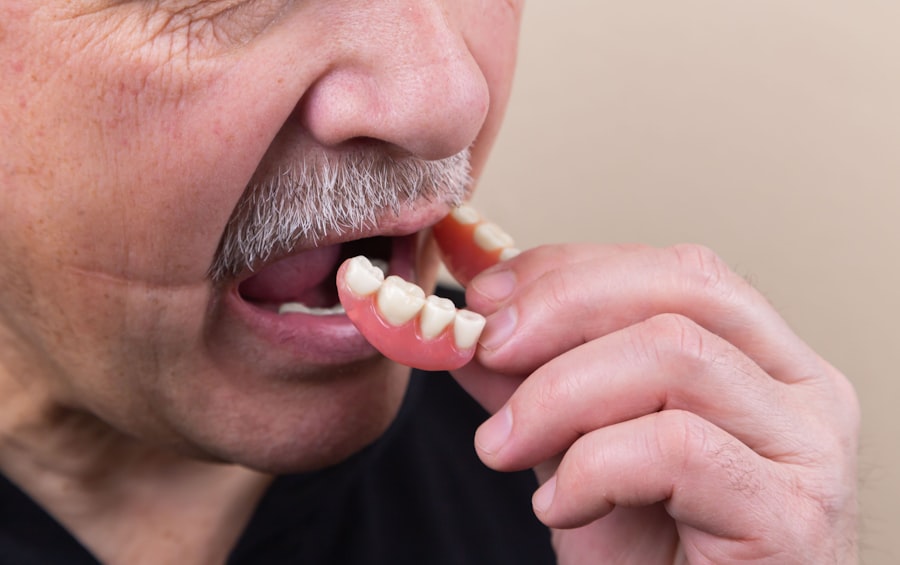
If you decide that dental implants are the right choice for you, it’s essential to understand the process involved in getting them. The journey usually begins with a comprehensive consultation with your dentist or oral surgeon. During this appointment, they will evaluate your oral health, take X-rays, and discuss your medical history to determine if you are a suitable candidate for implants.
If you have sufficient bone density and healthy gums, you can proceed to the next steps. The actual implant procedure involves placing titanium posts into your jawbone under local anesthesia. After the posts are inserted, a healing period follows, during which osseointegration occurs—this is when the bone fuses with the implant, creating a strong foundation.
This healing phase can take several months, but it is crucial for the long-term success of the implants. Once healed, you will return to have custom crowns attached to the implants, completing the process and restoring both function and aesthetics to your smile.
The Process of Getting Dentures
In contrast to dental implants, getting dentures is generally a more straightforward process that involves fewer steps. Initially, you will meet with your dentist for an evaluation and discussion about your specific needs and preferences regarding denture types—full or partial dentures. After determining the best fit for you, your dentist will take impressions of your mouth to create custom-fitted dentures that will provide comfort and functionality.
Once your dentures are ready, you will return to have them fitted. Your dentist will make any necessary adjustments to ensure they sit comfortably in your mouth. Unlike dental implants, there is no healing period required after getting dentures; you can typically start using them right away.
However, it’s important to note that some individuals may need time to adjust to wearing dentures, as they can feel foreign at first.
Maintenance and Care for Dental Implants
Daily Oral Hygiene
To keep your mouth healthy and prevent gum disease around the implant site, it is essential to brush and floss daily.
Regular Dental Check-ups
Regular dental check-ups are crucial to monitor the health of your gums and ensure that the implants remain secure over time. Your dentist will be able to identify any potential issues early on and take necessary action.
Maintaining a Healthy Lifestyle
With proper care, dental implants can last for decades or even a lifetime. To maintain your dental implants, it is important to be mindful of your diet and avoid excessively hard or sticky foods that could potentially damage the crowns attached to them. Additionally, if you engage in contact sports or activities that pose a risk of injury to your mouth, consider wearing a mouthguard to protect your investment.
Maintenance and Care for Dentures
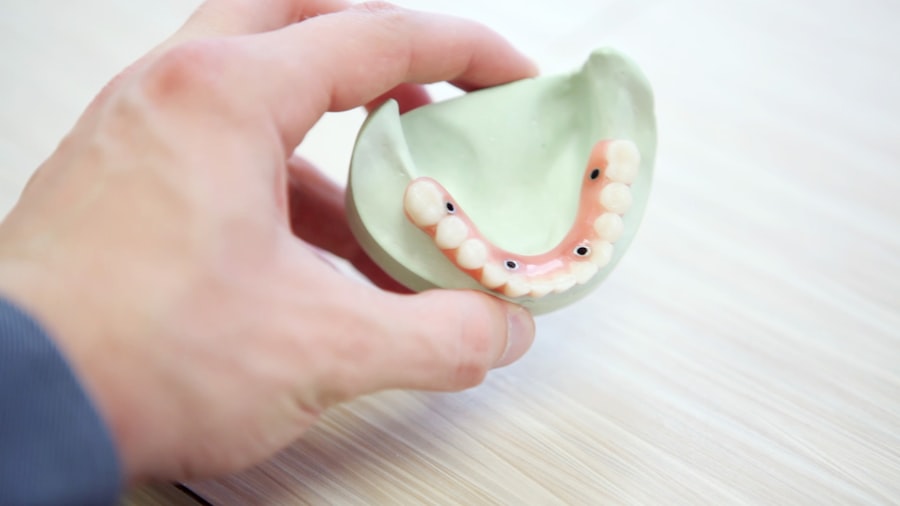
Maintaining dentures requires a different approach than caring for dental implants but is equally important for ensuring their longevity and functionality. You should remove your dentures nightly to give your gums a chance to rest and recover from any pressure they may have experienced throughout the day. Cleaning them thoroughly with a soft brush and denture cleaner will help remove food particles and plaque buildup.
It’s also essential to soak your dentures in a cleaning solution overnight to keep them moist and prevent warping. Regular visits to your dentist for adjustments are necessary as well since your mouth changes over time; this can affect how well your dentures fit. By staying proactive about their care, you can extend the life of your dentures and maintain comfort while wearing them.
When considering dental implants versus dentures, cost is often a significant factor in your decision-making process. Generally speaking, dental implants tend to have a higher upfront cost due to the surgical procedure involved and the materials used for the implant itself. However, it’s important to consider the long-term investment; while dentures may be less expensive initially, they often require replacements or adjustments over time, which can add up.
In contrast, while dental implants may seem costly at first glance, their durability and longevity can make them more economical in the long run. Many people find that investing in implants saves them money on future dental work related to denture maintenance or replacements. Ultimately, it’s crucial to weigh both immediate costs and long-term benefits when deciding which option aligns best with your financial situation and lifestyle preferences.
In conclusion, both dental implants and dentures offer viable solutions for tooth replacement, each with its unique advantages and considerations. By understanding these differences and evaluating factors such as cost, maintenance requirements, and personal comfort levels, you can make an informed decision that best suits your needs and enhances your quality of life.
If you are considering dental implants, you may be interested in learning about the costs associated with the procedure. A recent article on costs for dental implants in Malden, Massachusetts provides valuable information on what to expect in terms of pricing. Understanding the financial aspect of dental implants can help you make an informed decision about your oral health. Additionally, articles on dental implants in Newark, California and dental implants in Port Arthur, Texas offer insights into the costs associated with the procedure in different locations.
FAQs
What are dental implants?
Dental implants are artificial tooth roots that are surgically placed into the jawbone to support a replacement tooth or bridge. They provide a strong foundation for fixed or removable replacement teeth.
What are dentures?
Dentures are removable appliances that can replace missing teeth and help restore your smile. They are made of acrylic resin and can be full or partial, depending on the number of teeth that need to be replaced.
What are the benefits of dental implants?
Dental implants provide a more natural look and feel compared to dentures. They are also more durable and can last a lifetime with proper care. Additionally, they help preserve the jawbone and prevent further bone loss.
What are the benefits of dentures?
Dentures are a more affordable option for replacing missing teeth compared to dental implants. They are also a non-invasive treatment option and can be easily adjusted or replaced if necessary.
What is the process for getting dental implants?
The process for getting dental implants involves multiple steps, including a consultation, dental implant placement surgery, healing period, and placement of the artificial tooth or bridge. It can take several months to complete the entire process.
What is the process for getting dentures?
The process for getting dentures involves taking impressions of the mouth, creating a custom mold, and fitting the dentures to ensure they are comfortable and functional. It typically takes a few weeks to complete the entire process.
How do I care for dental implants?
Caring for dental implants involves practicing good oral hygiene, including brushing and flossing regularly, as well as visiting the dentist for routine check-ups and cleanings. Avoiding smoking and maintaining a healthy lifestyle can also contribute to the longevity of dental implants.
How do I care for dentures?
Caring for dentures involves cleaning them daily with a denture brush and soaking them in a denture cleaning solution. It is also important to brush the gums, tongue, and palate to remove plaque and prevent oral health issues. Regular dental check-ups are also recommended to ensure proper fit and function of the dentures.