
As you navigate the complexities of diabetes, it’s essential to recognize how this condition can significantly impact your dental health. Diabetes affects your body’s ability to process sugar, leading to elevated blood glucose levels that can have far-reaching consequences. One of the lesser-known effects of diabetes is its influence on oral health.
High blood sugar levels can lead to dry mouth, which in turn increases the risk of cavities and gum disease. Additionally, diabetes can impair your body’s ability to fight infections, making it more challenging for your gums to heal after dental procedures. Moreover, the relationship between diabetes and dental health is bidirectional.
Poor oral health can exacerbate diabetes by causing inflammation and infection, which may lead to further complications in blood sugar control. This cyclical nature means that if you have diabetes, maintaining good oral hygiene is not just about preventing cavities; it’s also a crucial part of managing your overall health. Regular dental check-ups become vital, as they allow for early detection and management of any potential issues that could arise due to your diabetic condition.
Key Takeaways
- Diabetes can increase the risk of dental health issues such as gum disease and tooth decay
- Diabetics considering dental implants should be aware of potential risks and complications, such as delayed healing and infection
- Pre-implant evaluation and proper management of diabetes are crucial for successful dental implant outcomes
- Proper oral care and maintenance are essential for diabetics with dental implants to prevent complications
- Choosing a dental implant specialist with experience in treating diabetics is important for successful treatment
Potential Risks and Complications for Diabetics Considering Dental Implants
If you are considering dental implants as a solution for missing teeth, it’s important to understand the potential risks and complications associated with this procedure, especially as a diabetic. One of the primary concerns is the healing process. Diabetes can slow down healing due to poor circulation and reduced immune response, which may increase the risk of infection at the implant site.
This means that while dental implants can be a viable option for you, they require careful consideration and planning. Another risk factor is the possibility of implant failure. Studies have shown that individuals with uncontrolled diabetes have a higher rate of implant failure compared to those without the condition.
This is often attributed to factors such as bone density issues and impaired healing. Therefore, if you are contemplating dental implants, it’s crucial to have a thorough discussion with your dental professional about your specific health status and how it may affect the success of the procedure.
Pre-Implant Evaluation and Management of Diabetes
Before you proceed with dental implants, a comprehensive pre-implant evaluation is essential, particularly for those managing diabetes. Your dentist will likely conduct a thorough medical history review, focusing on your diabetes management. This includes assessing your blood sugar levels, medication regimen, and any complications related to your condition.
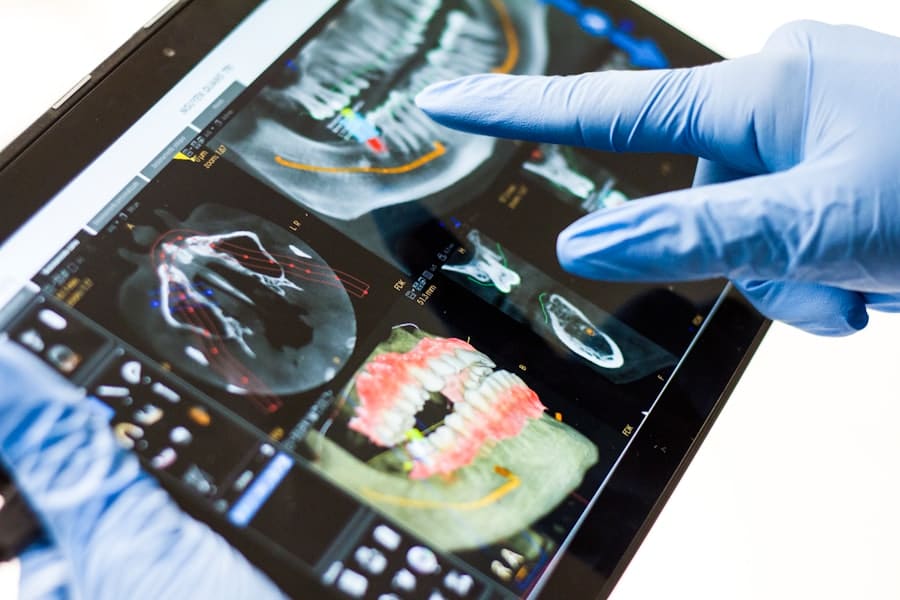
It’s vital that you provide accurate information about your health status, as this will guide your dentist in developing an appropriate treatment plan. In addition to evaluating your medical history, your dental team may recommend additional tests such as blood work to assess your glycemic control. This step is crucial because stable blood sugar levels are key to successful implant surgery and healing.
If your diabetes is not well-managed, your dentist may suggest strategies to improve your condition before proceeding with the implants. This could involve working closely with your healthcare provider to optimize your blood sugar levels through diet, exercise, or medication adjustments.
Importance of Proper Oral Care and Maintenance for Diabetics with Dental Implants
Once you have successfully received dental implants, maintaining proper oral care becomes even more critical for you as a diabetic. The presence of implants does not eliminate the risk of gum disease; in fact, it may increase the importance of diligent oral hygiene practices. You should commit to brushing at least twice a day with fluoride toothpaste and flossing daily to keep plaque at bay.
Additionally, using an antibacterial mouthwash can help reduce the risk of infection around the implant site. Regular dental check-ups are also essential for monitoring the health of your implants and surrounding tissues. Your dentist will be able to identify any early signs of complications or infections that could jeopardize the success of your implants.
As a diabetic, you may need to schedule more frequent visits than non-diabetic patients to ensure that everything remains in optimal condition. By prioritizing oral care and maintenance, you can significantly enhance the longevity and success of your dental implants.
Choosing the Right Dental Implant Specialist for Diabetics
Selecting the right dental implant specialist is a crucial step in ensuring a successful outcome for your procedure, especially as someone living with diabetes. You should look for a dentist who has experience working with diabetic patients and understands the unique challenges that come with managing oral health in this context. It’s beneficial to seek out professionals who are not only skilled in implantology but also knowledgeable about diabetes management.
When evaluating potential specialists, consider asking about their approach to treating diabetic patients. Inquire about their protocols for pre-operative assessments and post-operative care tailored specifically for individuals with diabetes. A good specialist will take the time to discuss your medical history in detail and will be proactive in coordinating care with your healthcare team.
This collaborative approach can significantly enhance your chances of a successful implant experience.
Lifestyle and Dietary Considerations for Diabetics with Dental Implants
Your lifestyle choices play a significant role in both diabetes management and the success of your dental implants. Adopting a balanced diet that helps regulate blood sugar levels is essential not only for your overall health but also for maintaining healthy gums and supporting healing after implant surgery. Focus on incorporating whole grains, lean proteins, healthy fats, and plenty of fruits and vegetables into your meals while minimizing processed sugars and carbohydrates.
In addition to dietary considerations, lifestyle factors such as smoking can adversely affect both diabetes management and oral health. If you smoke, it’s advisable to seek support in quitting before undergoing any dental procedures. Smoking can impede healing and increase the risk of complications following implant surgery.
By making positive lifestyle changes, you can create an environment conducive to healing and long-term success with your dental implants.
Financial Considerations and Insurance Coverage for Dental Implants for Diabetics
When considering dental implants as a diabetic patient, financial implications are an important aspect to address. Dental implants can be a significant investment, and understanding the costs involved is crucial for planning purposes. You should inquire about the total expenses associated with the procedure, including consultations, imaging tests, surgery, and follow-up care.
Insurance coverage for dental implants can vary widely depending on your plan. Some insurance policies may cover a portion of the costs associated with implants, while others may not provide any coverage at all. It’s advisable to contact your insurance provider directly to clarify what is included in your plan regarding dental implants for diabetics.
Additionally, many dental practices offer financing options or payment plans that can help make the procedure more affordable.
Success Stories and Testimonials from Diabetics with Dental Implants
Hearing success stories from other diabetics who have undergone dental implant procedures can be incredibly encouraging as you consider this option for yourself. Many individuals have shared their experiences of regaining confidence and improving their quality of life after receiving implants. These testimonials often highlight how dental implants have allowed them to enjoy their favorite foods again without discomfort or embarrassment.
Moreover, these stories frequently emphasize the importance of proper management of diabetes throughout the process. Many patients report that by taking proactive steps in their health care—such as maintaining stable blood sugar levels and adhering to oral hygiene practices—they were able to achieve successful outcomes with their implants. These narratives serve as powerful reminders that with careful planning and commitment, you too can enjoy the benefits of dental implants while managing diabetes effectively.
If you are considering dental implants as a diabetic, it is important to be well-informed before making a decision. One related article that may be helpful is Costs for Dental Implants in Lancaster, Pennsylvania. This article can provide valuable information on the costs associated with dental implants in a specific location, which can help you plan and budget accordingly. It is always important to consider all factors, including cost, when making decisions about your dental health.
FAQs
What are dental implants?
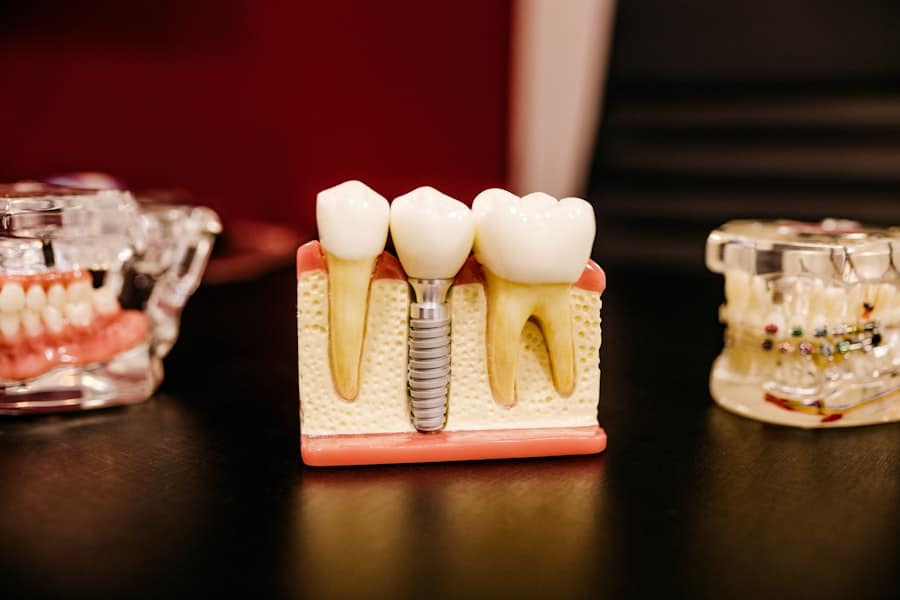
Dental implants are artificial tooth roots that are placed in the jaw to support a replacement tooth or bridge. They are a popular and effective long-term solution for people who have lost teeth due to periodontal disease, injury, or other reasons.
Can diabetics get dental implants?
Yes, diabetics can get dental implants. However, they may have a higher risk of complications during the healing process and may need to take extra precautions to ensure successful implantation.
What are the risks for diabetics getting dental implants?
Diabetics may have a higher risk of complications such as delayed healing, infection, and implant failure. It is important for diabetics to work closely with their dental and medical professionals to manage their condition and minimize these risks.
How can diabetics prepare for dental implant surgery?
Diabetics should work with their dentist and physician to ensure their diabetes is well-managed before undergoing dental implant surgery. This may involve controlling blood sugar levels, managing medications, and addressing any other health concerns.
What are the benefits of dental implants for diabetics?
Dental implants can improve the quality of life for diabetics by restoring their ability to eat, speak, and smile with confidence. They can also help prevent further oral health issues and bone loss.
Are there any special considerations for diabetics with dental implants?
Diabetics with dental implants should be vigilant about their oral hygiene and continue to monitor their blood sugar levels. Regular dental check-ups and cleanings are also important to ensure the implants remain in good condition.