
Dental implants are a revolutionary solution for those who have lost teeth due to injury, decay, or other dental issues. At their core, dental implants consist of a titanium post that is surgically inserted into the jawbone, acting as a sturdy foundation for replacement teeth. This post mimics the root of a natural tooth, providing stability and support for crowns, bridges, or dentures that will be placed on top.
The integration of the implant with the bone, known as osseointegration, is crucial for the success of the procedure, as it ensures that the implant remains securely anchored in place. You may find it fascinating that dental implants have been used for decades, with their origins tracing back to ancient civilizations. However, modern advancements in technology and materials have significantly improved their effectiveness and longevity.
Unlike traditional dentures or bridges, which can slip or cause discomfort, dental implants offer a permanent solution that feels and functions like natural teeth. This innovation not only enhances your smile but also contributes to your overall oral health by preventing bone loss in the jaw, which can occur when teeth are missing.
Key Takeaways
- Dental implants are artificial tooth roots that are placed in the jaw to support a replacement tooth or bridge.
- The benefits of dental implants include improved appearance, speech, comfort, and oral health.
- The process of getting dental implants involves a consultation, implant placement, healing period, and attachment of the replacement tooth.
- Candidates for dental implants should have good oral and overall health, adequate bone density, and a commitment to oral hygiene.
- The cost of dental implants can vary depending on the number of implants needed, the type of restoration, and any additional procedures required.
The Benefits of Dental Implants
One of the most compelling advantages of dental implants is their durability. With proper care, they can last a lifetime, making them a cost-effective solution in the long run. Unlike other tooth replacement options that may need to be replaced or adjusted over time, dental implants are designed to withstand the test of time.
This longevity means you can enjoy your favorite foods without worrying about your teeth shifting or becoming uncomfortable. In addition to their durability, dental implants also provide a significant boost to your self-esteem. When you have missing teeth, it can affect your confidence and how you interact with others.
Dental implants restore not only your smile but also your ability to speak clearly and eat comfortably. You may find that with your new implants, you feel more inclined to engage in social situations and express yourself without hesitation. The psychological benefits of having a complete smile can be just as important as the physical advantages.
The Process of Getting Dental Implants
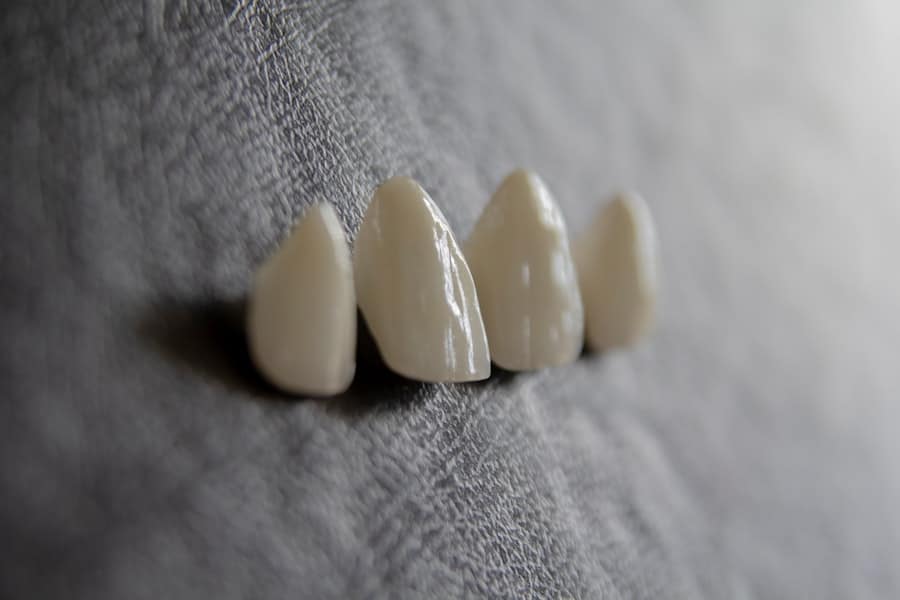
The journey to obtaining dental implants typically begins with a comprehensive consultation with your dentist or oral surgeon. During this initial appointment, they will assess your oral health, take X-rays, and discuss your medical history to determine if you are a suitable candidate for the procedure. This thorough evaluation is essential to ensure that your jawbone is healthy enough to support the implant and that there are no underlying issues that could complicate the process.
Once you are deemed a good candidate, the actual procedure involves several steps. First, the titanium post is surgically placed into your jawbone under local anesthesia. After this initial surgery, there is usually a healing period of several months during which osseointegration occurs.
During this time, the bone grows around the implant, securing it in place. After healing is complete, you will return to your dentist to have an abutment attached to the implant, which will serve as a connector for the final crown or prosthetic tooth. This multi-step process may seem lengthy, but it is designed to ensure the best possible outcome for your new smile.
Who is a Candidate for Dental Implants
While dental implants offer numerous benefits, not everyone is an ideal candidate for this procedure. Generally, candidates should have good overall health and sufficient bone density in their jaw to support the implant. If you have experienced significant bone loss due to periodontal disease or other factors, your dentist may recommend bone grafting procedures to build up the jawbone before proceeding with implants.
Additionally, individuals who smoke or have uncontrolled chronic conditions such as diabetes may face challenges in achieving successful outcomes with dental implants. Smoking can hinder healing and increase the risk of complications, while uncontrolled diabetes can affect your body’s ability to heal properly after surgery. However, if you are committed to quitting smoking or managing your health conditions effectively, you may still be able to pursue dental implants with proper guidance from your healthcare provider.
The Cost of Dental Implants
The financial aspect of dental implants is often a significant consideration for many individuals contemplating this procedure. The cost can vary widely based on several factors, including the complexity of your case, the number of implants needed, and your geographical location. On average, a single dental implant can range from $3,000 to $4,500 or more.
This price typically includes the implant itself, the abutment, and the crown that will be placed on top. While dental implants may seem expensive upfront compared to other tooth replacement options like dentures or bridges, it’s essential to consider their long-term value. Since implants are designed to last for many years—often a lifetime with proper care—they can ultimately save you money by reducing the need for replacements or repairs associated with other dental solutions.
Additionally, many dental insurance plans now offer partial coverage for implants, so it’s worth checking with your provider to see what options are available to help offset costs.
Aftercare and Maintenance of Dental Implants

Once you have successfully received your dental implants, maintaining them is crucial for ensuring their longevity and functionality. Fortunately, caring for dental implants is similar to caring for natural teeth. You should continue practicing good oral hygiene by brushing twice a day and flossing daily to keep your mouth healthy and free from plaque buildup.
Regular visits to your dentist for check-ups and cleanings are also essential in monitoring the health of your implants and surrounding tissues. In addition to routine oral care, you may want to consider lifestyle choices that can impact the longevity of your dental implants. For instance, avoiding tobacco products is highly recommended since smoking can hinder healing and increase the risk of complications.
Staying hydrated and maintaining a balanced diet rich in vitamins and minerals can also support oral health and contribute to the success of your implants over time.
Potential Risks and Complications of Dental Implants
Like any surgical procedure, getting dental implants comes with potential risks and complications that you should be aware of before proceeding. While serious complications are rare, they can occur. Some common risks include infection at the implant site, nerve damage leading to pain or numbness in the surrounding areas, and sinus issues if upper jaw implants protrude into sinus cavities.
It’s also important to note that not all dental implants will successfully integrate with the jawbone. Factors such as insufficient bone density or poor oral hygiene can lead to implant failure. If an implant does fail, it may need to be removed and replaced after addressing any underlying issues.
Discussing these risks with your dentist during your consultation will help you make an informed decision about whether dental implants are right for you.
Alternative Options to Dental Implants
If dental implants do not seem like the right fit for you due to cost, health concerns, or personal preference, there are alternative options available for tooth replacement. One common alternative is dentures—removable appliances that can replace multiple missing teeth or an entire arch of teeth. While dentures are generally less expensive than implants and can be fitted relatively quickly, they may require adjustments over time and can sometimes feel less stable than fixed solutions.
Another option is a dental bridge, which involves anchoring artificial teeth between two existing natural teeth. Bridges can effectively restore function and aesthetics but may require altering adjacent healthy teeth for support. Ultimately, discussing these alternatives with your dentist will help you weigh the pros and cons of each option based on your unique situation and preferences.
In conclusion, understanding dental implants involves recognizing their structure, benefits, candidacy requirements, costs, aftercare needs, potential risks, and alternative options available in modern dentistry. By being informed about these aspects, you can make educated decisions regarding your oral health and choose the best path forward for restoring your smile.
If you are considering getting dental implants in Bremerton, Washington, Beaumont, Texas, or Minnetonka, Minnesota, you may be wondering about the costs involved. Luckily, there is a helpful article on