
Dental implants are sophisticated dental devices designed to replace missing teeth. They consist of a titanium post that is surgically inserted into the jawbone, acting as a sturdy foundation for artificial teeth. This post mimics the root of a natural tooth, providing stability and support for crowns, bridges, or dentures that are placed on top.
The process of osseointegration occurs when the bone fuses with the implant, creating a strong bond that ensures durability and longevity. This innovative solution has revolutionized the field of dentistry, offering patients a reliable alternative to traditional dentures or bridges. The appeal of dental implants lies not only in their functionality but also in their aesthetic qualities.
Unlike removable dentures, which can shift or become uncomfortable, implants are designed to look and feel like your natural teeth. They restore not just the physical appearance of your smile but also the confidence that comes with it. With proper care, dental implants can last a lifetime, making them a worthwhile investment in your oral health and overall well-being.
Key Takeaways
- Dental implants are artificial tooth roots that are surgically placed into the jawbone to support a replacement tooth or bridge.
- The benefits of dental implants include improved appearance, speech, comfort, and oral health, as well as durability and convenience.
- Candidates for dental implants should have good oral and overall health, adequate bone density in the jaw, and a commitment to maintaining good oral hygiene.
- The dental implant procedure involves several steps, including consultation, implant placement, healing period, and attachment of the replacement tooth or bridge.
- Aftercare and maintenance of dental implants include regular oral hygiene practices, professional cleanings, and avoiding damaging habits like smoking and teeth grinding.
Benefits of Dental Implants
Restored Chewing Ability
Losing a tooth can greatly impact your ability to eat certain foods, leading to dietary restrictions and potential nutritional deficiencies. Dental implants enable you to enjoy a varied diet without fear of discomfort or embarrassment. You can confidently bite into an apple or savor a steak, knowing your replacement teeth are secure and reliable.
Preservation of Jawbone
When a tooth is lost, the underlying bone can begin to deteriorate due to lack of stimulation. Dental implants provide the necessary support to maintain bone density, preventing the sunken appearance that often accompanies tooth loss. This not only enhances your facial structure but also helps maintain your overall oral health, reducing the risk of further dental issues down the line.
Enhanced Facial Structure and Oral Health
By preserving jawbone density, dental implants contribute to maintaining your facial structure and overall oral health. This reduces the risk of further dental issues, ensuring a healthier, more confident you.
Who is a Candidate for Dental Implants?
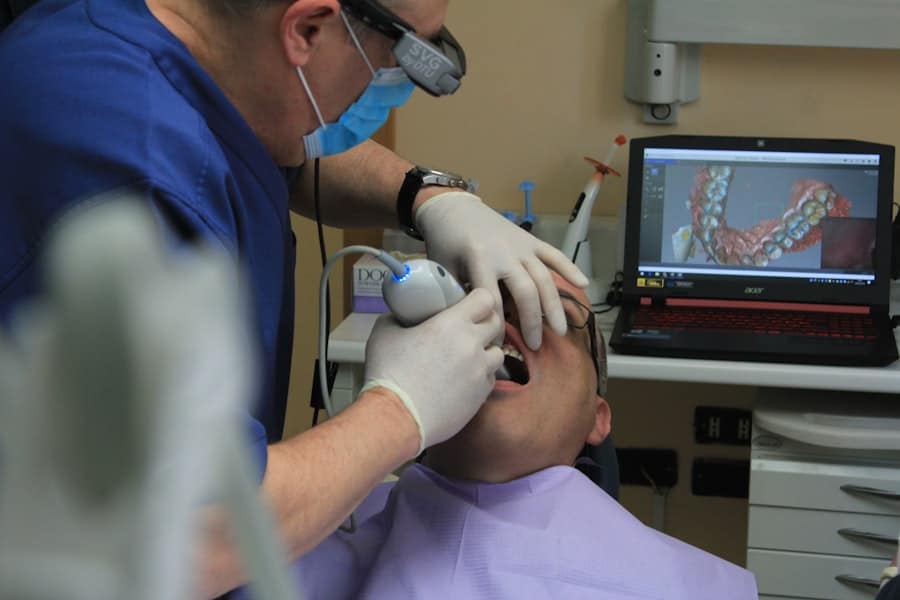
Determining whether you are a candidate for dental implants involves several factors, including your oral health, bone density, and overall medical condition. Generally, individuals who have lost one or more teeth due to injury, decay, or periodontal disease may be suitable candidates. However, it is essential to have healthy gums and sufficient bone mass to support the implant.
If you have experienced significant bone loss, your dentist may recommend procedures such as bone grafting to create a stable foundation for the implant. Age is not necessarily a barrier to receiving dental implants; however, it is crucial to consider any underlying health conditions that may affect healing. For instance, individuals with uncontrolled diabetes or those undergoing certain cancer treatments may face challenges during the implant process.
A thorough consultation with your dentist will help assess your specific situation and determine if dental implants are the right choice for you.
The Dental Implant Procedure
The dental implant procedure typically unfolds in several stages, beginning with a comprehensive evaluation by your dentist. This initial consultation may involve X-rays and 3D imaging to assess your jawbone structure and plan the placement of the implant accurately. Once you are deemed a suitable candidate, the first step involves surgically placing the titanium post into your jawbone under local anesthesia.
This procedure usually takes about one to two hours and is relatively straightforward. After the implant is placed, a healing period follows, during which osseointegration occurs. This process can take several months as your bone fuses with the implant, creating a solid foundation.
Once healing is complete, you will return to your dentist for the next phase: attaching an abutment, which serves as a connector between the implant and the crown. Finally, custom-made crowns are crafted to match your natural teeth in color and shape, completing your smile restoration.
Aftercare and Maintenance of Dental Implants
Caring for dental implants is similar to maintaining natural teeth, making it relatively easy for most patients to adapt their oral hygiene routines. Regular brushing and flossing are essential to keep both the implants and surrounding gums healthy. You should use a soft-bristled toothbrush and non-abrasive toothpaste to avoid damaging the implant surface.
Additionally, incorporating an antimicrobial mouthwash can help reduce plaque buildup and prevent gum disease. Routine dental check-ups are crucial for monitoring the health of your implants and ensuring they remain in optimal condition. Your dentist will assess the integrity of the implant and surrounding tissues during these visits.
It’s also important to avoid habits that could jeopardize your implants, such as grinding your teeth or using them to open packages. By following these aftercare guidelines and maintaining regular dental visits, you can enjoy the benefits of your dental implants for many years.
Potential Risks and Complications
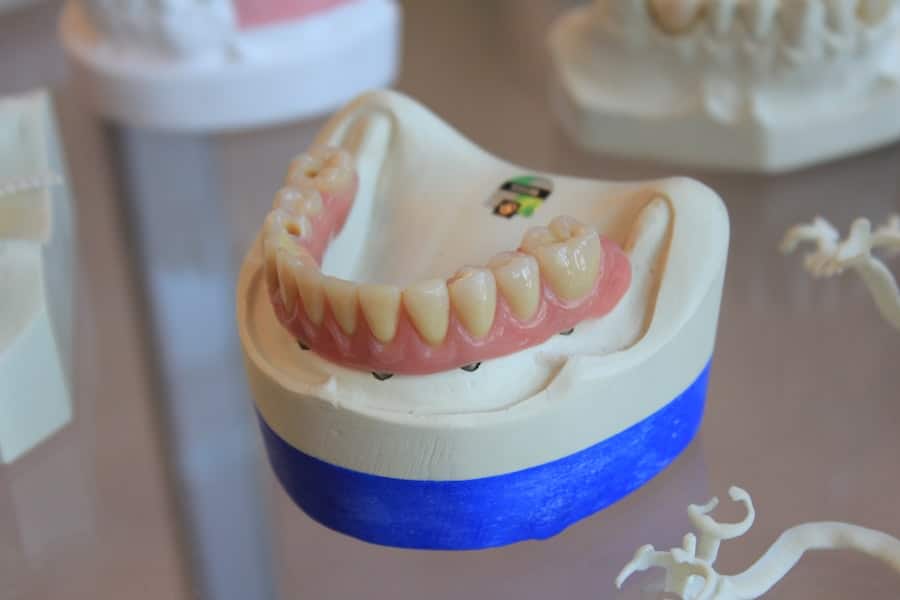
While dental implants boast a high success rate, it’s essential to be aware of potential risks and complications associated with the procedure. One common concern is infection at the implant site, which can occur if proper hygiene is not maintained during recovery. Signs of infection may include swelling, pain, or discharge from the area around the implant.
If you notice any of these symptoms, it’s crucial to contact your dentist promptly for evaluation and treatment. Another risk involves implant failure due to insufficient bone integration or excessive stress on the implant from biting or grinding. In some cases, patients may experience nerve damage or sinus issues if the implant is not placed correctly.
However, these complications are relatively rare when performed by an experienced dental professional. By discussing any concerns with your dentist beforehand and adhering to post-operative care instructions, you can minimize these risks significantly.
Comparing Dental Implants to Other Tooth Replacement Options
When considering tooth replacement options, it’s essential to weigh the pros and cons of each method. Traditional dentures are often more affordable upfront but can lead to discomfort and require frequent adjustments over time. They may also affect speech and taste perception due to their removable nature.
In contrast, dental implants offer a permanent solution that mimics natural teeth in both function and appearance. Bridges are another alternative for replacing missing teeth; however, they require altering adjacent healthy teeth for support. This can compromise their integrity over time and lead to further dental issues.
Dental implants stand out as a more conservative option since they do not rely on neighboring teeth for support. Ultimately, while initial costs may be higher for implants compared to other methods, their long-term benefits often make them a more cost-effective choice in terms of durability and quality of life.
Cost and Insurance Coverage for Dental Implants
The cost of dental implants can vary significantly based on several factors, including location, complexity of the case, and materials used. On average, you might expect to pay anywhere from $3,000 to $4,500 per implant, which includes surgical placement and restoration costs. While this investment may seem daunting initially, it’s important to consider the long-term benefits and durability that implants provide compared to other tooth replacement options.
Insurance coverage for dental implants can be complex and varies by provider. Some plans may cover a portion of the costs associated with implants if they are deemed medically necessary or if they replace teeth lost due to injury or disease. It’s advisable to consult with your insurance provider before proceeding with treatment to understand what is covered under your plan.
Additionally, many dental offices offer financing options or payment plans that can help make dental implants more accessible for patients seeking this transformative solution for their oral health needs. In conclusion, dental implants represent a remarkable advancement in restorative dentistry that offers numerous benefits for those facing tooth loss. From improved functionality and aesthetics to long-term durability and preservation of jawbone health, they provide an unparalleled solution for many individuals.
By understanding the procedure, aftercare requirements, potential risks, and financial considerations involved in obtaining dental implants, you can make an informed decision about whether this option is right for you.
If you are considering dental implants as a solution for missing teeth, you may be wondering about the costs involved. A related article on Costs for Dental Implants in Manteca, California provides valuable information on the expenses associated with this procedure in a specific location. Understanding the costs can help you make an informed decision about whether dental implants are worth smiling about.
FAQs
What are dental implants?
Dental implants are artificial tooth roots that are surgically placed into the jawbone to support a replacement tooth or bridge.
How are dental implants different from dentures or bridges?
Dental implants are different from dentures and bridges because they are permanently fixed in the jawbone, providing a more stable and natural-looking solution for missing teeth.
Who is a good candidate for dental implants?
Good candidates for dental implants are individuals with good oral health, enough bone in the jaw to support the implant, and healthy gums. They should also be committed to maintaining good oral hygiene.
What are the benefits of dental implants?
Some benefits of dental implants include improved appearance, better speech, enhanced comfort, easier eating, improved oral health, and durability.
What is the success rate of dental implants?
The success rate of dental implants is high, with studies showing a success rate of 95-98% over a 10-year period.
What is the process for getting dental implants?
The process for getting dental implants involves a consultation, implant placement surgery, healing period, and placement of the artificial tooth or bridge.
Are dental implants covered by insurance?
Some dental insurance plans may cover a portion of the cost of dental implants, but coverage varies by plan. It’s best to check with your insurance provider for details.