
When you think about dental health, the importance of a complete and functional smile cannot be overstated. Dental implants are a revolutionary solution designed to replace missing teeth, providing both aesthetic and functional benefits. Essentially, a dental implant consists of a titanium post that is surgically inserted into the jawbone, acting as a sturdy foundation for a replacement tooth or bridge.
This innovative approach mimics the natural tooth root, allowing for a more stable and durable solution compared to traditional dentures or bridges. The process of integrating the implant with your jawbone is known as osseointegration. This biological process is crucial because it ensures that the implant becomes a permanent fixture in your mouth.
Over time, the bone grows around the implant, securing it in place and providing the necessary support for chewing and speaking. Understanding this foundational aspect of dental implants is essential, as it highlights their long-term viability and effectiveness in restoring your smile.
Key Takeaways
- Dental implants are artificial tooth roots that are placed in the jaw to support a replacement tooth or bridge.
- Dental implants offer benefits such as improved appearance, speech, comfort, and oral health.
- The dental implant procedure involves several steps, including consultation, implant placement, and attachment of the replacement tooth.
- Candidates for dental implants should have good oral health, adequate bone density, and be committed to maintaining oral hygiene.
- Dental implants are a more permanent and natural-looking solution compared to dentures and bridges.
The Benefits of Dental Implants
One of the most significant advantages of dental implants is their ability to restore functionality. If you’ve ever experienced the discomfort of missing teeth, you know how it can affect your ability to eat and speak. With dental implants, you can enjoy your favorite foods without hesitation, as they provide the strength and stability needed for biting and chewing.
Unlike dentures, which can slip or cause discomfort, implants remain securely anchored in your jawbone, allowing you to eat with confidence. Beyond functionality, dental implants also offer aesthetic benefits that can greatly enhance your self-esteem. A complete smile can transform your appearance and boost your confidence in social situations.
Implants are designed to look and feel like natural teeth, blending seamlessly with your existing smile. This means you can smile freely without worrying about gaps or the appearance of artificial replacements. The psychological impact of having a full set of teeth should not be underestimated; it can lead to improved social interactions and a more positive self-image.
The Dental Implant Procedure

The journey to obtaining dental implants typically begins with a comprehensive consultation with your dentist or oral surgeon. During this initial appointment, they will assess your oral health, take X-rays, and discuss your medical history to determine if you are a suitable candidate for the procedure. This thorough evaluation is crucial, as it helps identify any underlying issues that may need to be addressed before moving forward with the implant placement.
Once you are deemed a good candidate, the actual procedure involves several steps. The first step is the surgical placement of the titanium post into your jawbone. This is usually done under local anesthesia to ensure your comfort throughout the process.
After the implant is placed, a healing period follows, during which osseointegration occurs. This phase can take several months, but it is essential for ensuring that the implant is securely anchored in place. After healing, an abutment is attached to the implant, which will hold the final crown or prosthetic tooth.
Finally, once everything has healed properly, your dentist will place the custom-made crown, completing your new smile.
Who is a Candidate for Dental Implants?
Determining whether you are a candidate for dental implants involves several factors related to your overall health and oral condition. Generally speaking, individuals who have lost one or more teeth due to injury, decay, or periodontal disease may be suitable candidates. However, it’s essential to have sufficient bone density in your jaw to support the implant.
If you have experienced significant bone loss, your dentist may recommend procedures such as bone grafting to build up the area before proceeding with implants. Additionally, good oral hygiene practices are vital for successful implantation. Candidates should be committed to maintaining their dental health through regular brushing, flossing, and routine dental check-ups.
Certain medical conditions, such as uncontrolled diabetes or autoimmune diseases, may also affect candidacy; therefore, discussing your medical history with your dentist is crucial. Ultimately, a thorough evaluation will help determine if dental implants are the right choice for you.
When considering tooth replacement options, it’s essential to weigh the pros and cons of dental implants against traditional solutions like dentures and bridges. Dentures are removable appliances that can replace multiple missing teeth but often come with challenges such as slippage and discomfort. They require regular adjustments and may need to be replaced over time due to wear and tear.
In contrast, dental implants offer a more permanent solution that does not require removal for cleaning or maintenance. Bridges are another common alternative that involves anchoring artificial teeth to adjacent natural teeth. While bridges can effectively fill gaps in your smile, they require altering healthy teeth for support.
This can compromise their integrity over time. Dental implants stand out because they do not rely on neighboring teeth for support; instead, they function independently as artificial roots. This not only preserves surrounding teeth but also helps maintain jawbone density by stimulating it through chewing forces.
Maintaining Dental Implants
Once you have successfully received dental implants, maintaining them is crucial for their longevity and functionality. Fortunately, caring for implants is similar to caring for natural teeth. Regular brushing and flossing are essential practices that help prevent plaque buildup and gum disease around the implant site.
Your dentist may recommend specific cleaning tools or techniques tailored to your needs to ensure optimal care. In addition to at-home care, routine dental check-ups are vital for monitoring the health of your implants and surrounding tissues. During these visits, your dentist will assess the condition of your implants and perform professional cleanings as needed.
Staying proactive about your oral health will not only extend the life of your implants but also contribute to your overall well-being.
Potential Risks and Complications
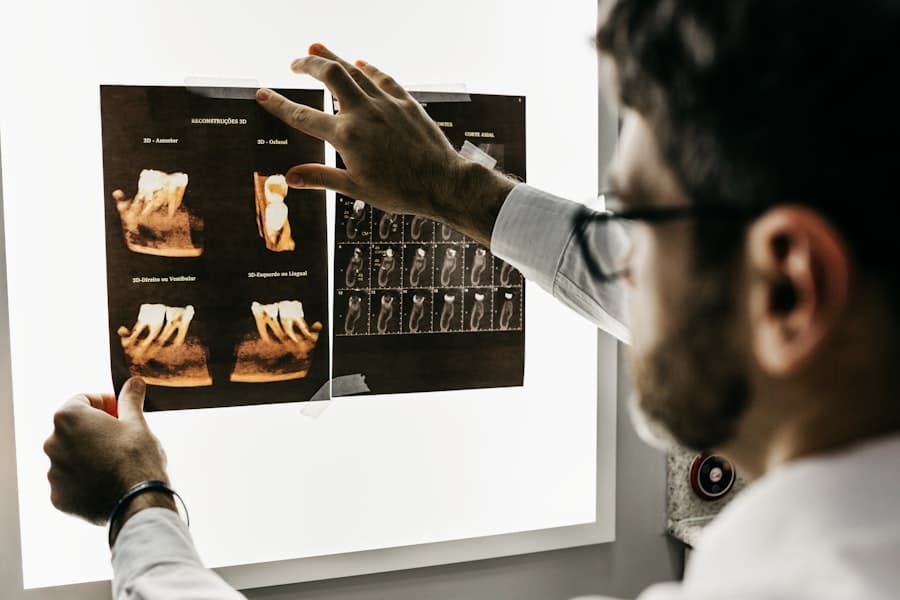
While dental implants are generally considered safe and effective, like any surgical procedure, they come with potential risks and complications that you should be aware of before proceeding. Some individuals may experience infection at the implant site or complications related to anesthesia during surgery. Additionally, there is a possibility of implant failure if osseointegration does not occur properly due to insufficient bone density or other factors.
Another concern is peri-implantitis, an inflammatory condition affecting the tissues surrounding an implant. This condition can lead to bone loss if not addressed promptly. It’s essential to recognize any signs of complications early on—such as swelling, pain, or changes in gum color—and consult your dentist immediately if you experience any unusual symptoms.
The Cost of Dental Implants
The financial aspect of dental implants is often a significant consideration for many individuals contemplating this procedure. The cost can vary widely based on several factors, including the number of implants needed, the complexity of the case, and geographic location. On average, a single dental implant can range from $3,000 to $4,500 or more when considering all associated costs such as surgery, materials for crowns or bridges, and follow-up care.
While this initial investment may seem daunting, it’s important to consider the long-term benefits of dental implants compared to other tooth replacement options. Unlike dentures or bridges that may require replacement every few years, dental implants are designed to last a lifetime with proper care. Many insurance plans offer partial coverage for dental implants; therefore, discussing financing options with your dentist can help make this transformative procedure more accessible.
In conclusion, understanding dental implants involves recognizing their structure and function as well as their numerous benefits over traditional tooth replacement methods. The procedure itself requires careful planning and consideration of candidacy factors while maintaining good oral hygiene post-surgery is crucial for success. By weighing the advantages against potential risks and costs involved, you can make an informed decision about whether dental implants are right for you—ultimately leading you toward a healthier and more confident smile.
If you are considering dental implants as a permanent solution for tooth loss, you may also be interested in learning about the costs associated with the procedure. Check out this article on Costs for Dental Implants in Chesapeake, Virginia to get an idea of what to expect in terms of pricing. Understanding the financial aspect of dental implants can help you make an informed decision about your oral health.
FAQs
What are dental implants?
Dental implants are artificial tooth roots that are surgically placed into the jawbone to support a replacement tooth or bridge. They provide a strong foundation for fixed or removable replacement teeth.
How long do dental implants last?
With proper care and maintenance, dental implants can last a lifetime. They are designed to be a permanent solution for tooth loss.
Who is a good candidate for dental implants?
Good candidates for dental implants are individuals with good oral and overall health, adequate bone density in the jaw, and healthy gums. It is important for candidates to have realistic expectations and be committed to maintaining good oral hygiene.
What are the benefits of dental implants?
Dental implants offer several benefits, including improved appearance, speech, comfort, and oral health. They also provide a long-term solution for tooth loss and can help preserve the natural structure of the jawbone.
What is the success rate of dental implants?
The success rate of dental implants is high, with studies showing success rates of over 95% for the placement of dental implants. However, success can depend on factors such as the location of the implant, the patient’s overall health, and the skill of the dental implant surgeon.
Are dental implants expensive?
Dental implants can be more expensive than other tooth replacement options, such as dentures or bridges. However, they are considered a long-term investment in oral health and can ultimately be more cost-effective due to their durability and longevity.