
When you think about dental health, the importance of a complete and functional smile cannot be overstated. Missing teeth can lead to a host of issues, from difficulty in chewing to self-esteem problems. This is where dental implants come into play, offering a permanent solution that mimics the look and function of natural teeth.
If you’ve ever considered dental implants, you’re not alone; they have become one of the most popular options for tooth replacement in recent years. Understanding what dental implants are and how they work can empower you to make informed decisions about your oral health. Dental implants are essentially artificial tooth roots, typically made from titanium, that are surgically placed into your jawbone.
Over time, these implants fuse with the bone in a process called osseointegration, providing a stable foundation for replacement teeth. Unlike dentures or bridges, which can be removed, dental implants are designed to be a permanent solution. This not only enhances your smile but also helps maintain the structure of your jawbone, preventing the bone loss that often accompanies missing teeth.
As you delve deeper into the world of dental implants, you’ll discover various types, materials, and procedures that cater to different needs and preferences.
Subperiosteal Implants>
On the other hand, subperiosteal implants are designed for patients who may not have enough healthy jawbone to support an endosteal implant. Instead of being placed within the bone, subperiosteal implants are positioned on top of the jawbone but beneath the gum tissue. This type of implant is often used in cases where bone grafting is not an option or when a less invasive procedure is preferred.
Making the Right Choice>
Understanding these differences can help you discuss your options with your dentist and determine which type of implant is best suited for your needs.
Key Takeaways
- Dental implants are a popular and effective solution for replacing missing teeth, providing a strong foundation for fixed or removable replacement teeth.
- Endosteal implants are placed in the jawbone, while subperiosteal implants are placed on top of the jawbone, making them suitable for patients with minimal bone height.
- Dental implants are commonly made of titanium, but other materials such as zirconia are also used for patients with metal allergies or aesthetic concerns.
- Single tooth implants are used to replace individual missing teeth, while multiple teeth implants can support bridges or dentures for a larger area of missing teeth.
- All-on-4 dental implants offer a full arch of teeth with only four implants, providing a cost-effective and efficient solution for patients with significant tooth loss.
Different Materials Used for Dental Implants
The materials used in dental implants play a significant role in their success and longevity. Titanium has long been the gold standard for dental implants due to its biocompatibility and strength. This metal integrates well with bone tissue, allowing for a secure bond that can last for many years.
However, advancements in dental technology have introduced other materials that may also be suitable for certain patients. Zirconia, for instance, is a ceramic material that offers an aesthetic advantage due to its tooth-like color and translucency. While titanium remains the most widely used material, zirconia implants are gaining popularity among those who prefer a metal-free option.
They are particularly appealing to individuals with metal allergies or sensitivities. Each material has its own set of advantages and disadvantages, so it’s essential to consult with your dentist about which option aligns best with your health needs and aesthetic preferences. By understanding the materials used in dental implants, you can make a more informed decision about your treatment.
When considering dental implants, one of the first decisions you’ll need to make is whether you require a single tooth implant or multiple implants. A single tooth implant is an excellent solution if you have lost just one tooth due to injury or decay. This procedure involves placing one implant into the jawbone and attaching a crown that matches your natural teeth in color and shape.
The result is a seamless restoration that looks and functions like your original tooth. If you’re facing multiple missing teeth, you might be wondering about your options. Multiple teeth implants can be achieved through several methods, including placing individual implants for each missing tooth or using implant-supported bridges that connect several crowns to fewer implants.
This approach can be more cost-effective and less invasive than placing an implant for every single missing tooth. Your dentist will evaluate your specific situation and recommend the best course of action based on factors such as bone density and overall oral health.
All-on-4 Dental Implants: What You Need to Know
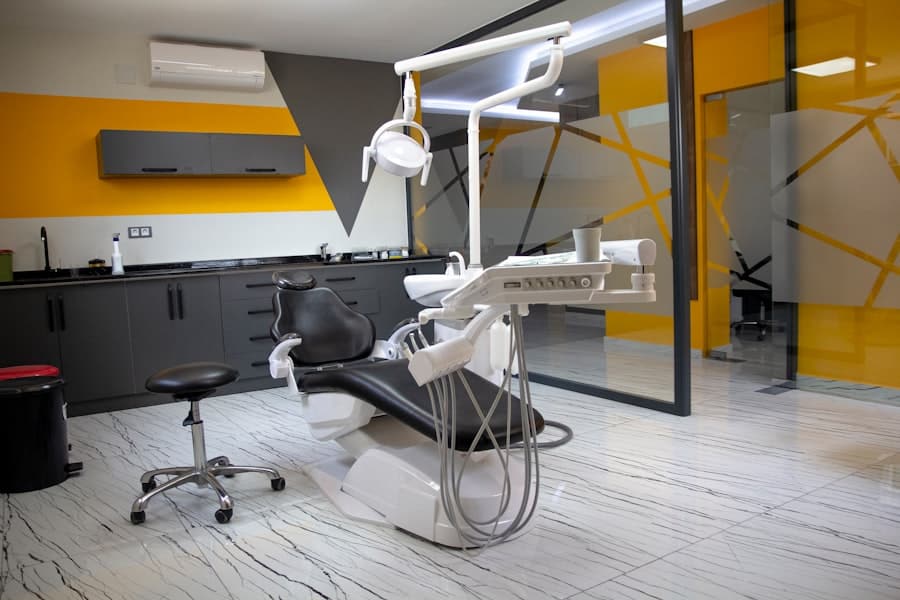
All-on-4 dental implants represent a revolutionary approach to replacing an entire arch of teeth using just four strategically placed implants. This technique is particularly beneficial for individuals who have lost most or all of their teeth but still have sufficient bone density in certain areas of their jaw. The All-on-4 method allows for immediate loading, meaning you can receive a temporary set of teeth on the same day as your surgery, providing you with a functional smile almost instantly.
One of the significant advantages of All-on-4 implants is that they often eliminate the need for bone grafting procedures, making them a less invasive option compared to traditional implant methods. Additionally, this technique can be more cost-effective since it requires fewer implants while still providing excellent stability and support for your new teeth. If you’re considering this option, it’s essential to consult with a qualified dental professional who can assess your candidacy and guide you through the process.
Mini Dental Implants: A Less Invasive Option
Benefits of Mini Dental Implants
The placement of mini dental implants is often quicker and requires less recovery time compared to traditional implants. They can be used to support dentures or as single-tooth replacements in certain cases.
Limitations of Mini Dental Implants
However, it’s important to note that mini implants may not be suitable for everyone or every situation; their smaller size may limit their use in cases requiring significant bite force or stability.
Determining the Right Option for You
Consulting with your dentist will help you determine if mini dental implants are the right choice for your specific needs.
Dental Implant Procedure: Step-by-Step Guide
Understanding the dental implant procedure can alleviate some of the anxiety associated with it. The process typically begins with a comprehensive consultation where your dentist will evaluate your oral health through X-rays and possibly 3D imaging. This assessment helps determine if you’re a suitable candidate for dental implants and what type would work best for you.
Once you’ve decided to proceed, the first step involves placing the implant into your jawbone during a surgical procedure. Local anesthesia is administered to ensure your comfort throughout this process. After the implant is placed, it will take several months for osseointegration to occur—this is when the bone fuses with the implant, creating a solid foundation.
After healing is complete, an abutment is attached to the implant, which will hold your final crown or prosthetic in place. Finally, impressions are taken to create a custom crown that matches your natural teeth perfectly.
Aftercare and Maintenance of Dental Implants

After receiving dental implants, proper aftercare is essential for ensuring their longevity and success. Initially, you may experience some swelling or discomfort following the procedure; however, this can usually be managed with over-the-counter pain relievers as recommended by your dentist. It’s crucial to follow any post-operative instructions provided by your dental team, including dietary restrictions and oral hygiene practices.
Long-term maintenance of dental implants involves regular check-ups with your dentist and practicing good oral hygiene at home. Brushing twice daily and flossing around the implant area will help prevent plaque buildup and gum disease. Additionally, using an antibacterial mouthwash can further enhance your oral care routine.
By committing to these practices, you can enjoy the benefits of your dental implants for many years to come. In conclusion, dental implants offer a transformative solution for those dealing with missing teeth. With various types available and advancements in materials and techniques, there’s likely an option that suits your individual needs perfectly.
Whether you’re considering single or multiple implants, All-on-4 solutions, or even mini implants, understanding each aspect will empower you to make informed decisions about your oral health journey.
If you are considering getting dental implants, you may also be interested in learning about the costs associated with the procedure. A helpful resource to check out is Costs for Dental Implants in Methuen, Massachusetts. This article provides valuable information on the average costs for dental implants in that area, helping you make an informed decision about your dental health.
FAQs
What are dental implants?
Dental implants are artificial tooth roots that are placed into the jaw to hold a replacement tooth or bridge. They provide a strong foundation for fixed or removable replacement teeth.
What are the different types of dental implants?
There are several types of dental implants, including endosteal implants (placed in the jawbone), subperiosteal implants (placed on the jawbone), and zygomatic implants (used in cases of severe bone loss).
What are the benefits of dental implants?
Dental implants can improve the appearance, function, and comfort of the mouth. They are a long-term solution for missing teeth and can help preserve facial structure and prevent bone deterioration.
Who is a good candidate for dental implants?
Good candidates for dental implants are individuals with good oral health, adequate bone density in the jaw, and healthy gums. They should also be committed to maintaining good oral hygiene.
What is the success rate of dental implants?
The success rate of dental implants is high, with studies showing success rates of up to 98%. However, success can depend on factors such as the location of the implant, the patient’s overall health, and the skill of the dental surgeon.
What is the process for getting dental implants?
The process for getting dental implants typically involves a consultation, dental imaging, the placement of the implant, a healing period, and the attachment of the replacement tooth or bridge. The process can take several months to complete.
What is the cost of dental implants?
The cost of dental implants can vary depending on factors such as the number of implants needed, the type of implant, and any additional procedures required. On average, the cost of a single dental implant can range from $1,000 to $3,000.