
Dental implants are a revolutionary solution for those who have lost teeth due to injury, decay, or other dental issues. Essentially, a dental implant is a small titanium post that is surgically inserted into the jawbone, acting as a replacement root for a missing tooth. Once the implant integrates with the bone—a process known as osseointegration—it provides a stable foundation for a crown, bridge, or denture.
This innovative approach not only restores functionality but also helps maintain the structure of your jawbone, preventing the bone loss that often accompanies tooth loss. The process of getting dental implants typically involves several stages. Initially, your dentist will conduct a thorough examination, including X-rays and possibly 3D imaging, to assess your oral health and determine if you are a suitable candidate for the procedure.
If you are deemed eligible, the surgical phase begins with the placement of the implant into your jawbone. After this, a healing period of several months is necessary for the implant to fuse with the bone. Once healed, an abutment is attached to the implant, which serves as a connector for the final restoration—a custom-made crown that mimics the appearance and function of your natural teeth.
Key Takeaways
- Dental implants are artificial tooth roots that are placed in the jaw to support a replacement tooth or bridge.
- Factors affecting the success rate of dental implants include the patient’s overall health, oral hygiene, and the skill of the dental implant specialist.
- Preparing for dental implant surgery involves a thorough examination of the mouth and jaw, as well as discussing the treatment plan and expected outcomes with the specialist.
- Post-operative care and maintenance of dental implants require good oral hygiene, regular dental check-ups, and avoiding habits that can damage the implants.
- Common complications and risks associated with dental implants include infection, nerve damage, and implant failure, but these can be minimized with proper care and monitoring.
Factors Affecting the Success Rate of Dental Implants
The success of dental implants can be influenced by various factors, and understanding these can help you make informed decisions about your oral health. One of the most significant factors is your overall health. Conditions such as diabetes, autoimmune diseases, or osteoporosis can impede healing and affect osseointegration.
Additionally, habits like smoking can significantly reduce the success rate of implants due to impaired blood flow and increased risk of infection. Therefore, it’s crucial to discuss your medical history with your dentist to assess any potential risks before proceeding with the surgery. Another critical factor is the quality and quantity of your jawbone.
Adequate bone density is essential for supporting the implant securely. If you have experienced bone loss due to prolonged tooth loss or periodontal disease, your dentist may recommend procedures such as bone grafting to enhance your jawbone’s structure before placing the implant. Furthermore, oral hygiene plays a vital role in the success of dental implants.
Maintaining good oral care practices can prevent infections and complications that could jeopardize the longevity of your implants.
Preparing for Dental Implant Surgery: What to Expect
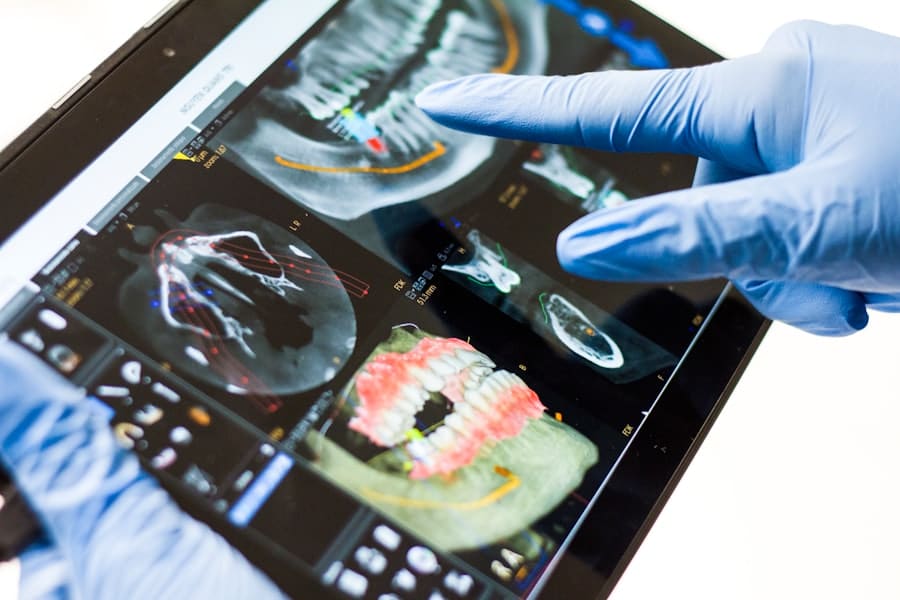
Preparing for dental implant surgery involves several steps that ensure you are ready for the procedure. Initially, your dentist will conduct a comprehensive evaluation of your oral health, which may include X-rays and possibly a CT scan to assess bone density and structure. This assessment helps in creating a tailored treatment plan that addresses your specific needs.
You may also be advised to undergo dental cleanings or other preparatory treatments to optimize your oral health before surgery. On the day of the surgery, you can expect to receive anesthesia to ensure your comfort throughout the procedure. Depending on the complexity of your case, sedation options may also be available.
The surgical process typically involves making an incision in your gum tissue to expose the jawbone, followed by drilling a small hole into which the implant will be placed. After the implant is secured, your dentist will close the incision with sutures. While this may sound daunting, many patients report minimal discomfort during and after the procedure, thanks to advancements in dental technology and pain management techniques.
Post-Operative Care and Maintenance of Dental Implants
After undergoing dental implant surgery, proper post-operative care is essential for ensuring a smooth recovery and long-term success of your implants. In the initial days following surgery, you may experience swelling and discomfort, which can be managed with prescribed pain medications and ice packs. It’s important to follow your dentist’s instructions regarding diet; soft foods are recommended during the healing phase to avoid putting undue pressure on the surgical site.
Maintaining excellent oral hygiene is crucial during recovery. You should gently brush your teeth while avoiding the surgical area until it has healed completely. Your dentist may provide specific guidelines on how to clean around the implant site without causing irritation.
Regular follow-up appointments will also be necessary to monitor healing and ensure that everything is progressing as expected. By adhering to these care instructions, you can significantly enhance the chances of successful integration of your dental implants.
Common Complications and Risks Associated with Dental Implants
While dental implants are generally considered safe and effective, like any surgical procedure, they come with potential risks and complications. One common issue is infection at the implant site, which can occur if bacteria enter during or after surgery. This underscores the importance of maintaining good oral hygiene and following post-operative care instructions closely.
If an infection does occur, it may require additional treatment or even removal of the implant in severe cases. Another risk associated with dental implants is implant failure, which can happen if osseointegration does not occur properly. Factors such as insufficient bone density or poor oral hygiene can contribute to this issue.
Additionally, nerve damage or sinus problems may arise if the implant is not placed correctly or if there are anatomical considerations that were not adequately assessed prior to surgery. Being aware of these potential complications allows you to engage in proactive discussions with your dentist about how to mitigate risks effectively.
Long-Term Success: Monitoring and Maintaining Your Dental Implants

Regular Check-Ups with Your Dentist
After receiving your implants, you should schedule regular check-ups with your dentist—typically every six months—to assess their condition and overall oral health. During these visits, your dentist will examine the implants for signs of wear or complications and perform professional cleanings to remove plaque buildup that could lead to issues.
Maintaining Good Oral Hygiene at Home
In addition to professional care, maintaining good oral hygiene at home is vital for preserving your dental implants. This includes brushing twice daily with a soft-bristled toothbrush and using non-abrasive toothpaste specifically designed for dental implants. Flossing daily is equally important; consider using special floss or interdental brushes designed for cleaning around implants effectively.
Long-Term Success of Your Dental Implants
By committing to these practices, you can help ensure that your dental implants remain functional and aesthetically pleasing for many years.
Alternative Options to Dental Implants
While dental implants are often regarded as the gold standard for tooth replacement, there are alternative options available that may suit different needs or preferences. One common alternative is a dental bridge, which involves anchoring a prosthetic tooth between two adjacent natural teeth. This option can be less invasive than implants but may require altering healthy teeth to accommodate the bridge.
Another alternative is removable dentures, which can replace multiple missing teeth or an entire arch of teeth. While dentures are generally more affordable than implants, they may not provide the same level of stability or comfort as fixed solutions like implants or bridges. Additionally, advancements in denture technology have led to improved designs that enhance fit and function; however, they still require regular maintenance and adjustments over time.
It’s essential to discuss these alternatives with your dentist to determine which option aligns best with your lifestyle and oral health goals.
Choosing the Right Dental Implant Specialist: Tips for Success
Selecting the right dental implant specialist is crucial for ensuring a successful outcome for your procedure. Start by seeking recommendations from friends or family who have undergone similar treatments; personal experiences can provide valuable insights into a practitioner’s skills and approach. Additionally, researching online reviews and testimonials can help you gauge patient satisfaction levels.
When meeting with potential specialists, don’t hesitate to ask about their qualifications and experience specifically related to dental implants. Inquire about their success rates and any advanced training they have received in implantology. A good specialist will take the time to explain the procedure thoroughly and address any concerns you may have while providing a clear treatment plan tailored to your needs.
By taking these steps, you can feel confident in your choice of specialist and set yourself up for a successful dental implant experience.
If you are considering getting dental implants, it is important to understand the success rate associated with this procedure. A comprehensive guide to the success rate of dental implants can be found here. This article provides valuable information on the factors that can affect the success of dental implants and what you can expect during the recovery process. Additionally, it is essential to consider the costs associated with dental implants, which can vary depending on your location. For more information on the costs of dental implants in specific areas, such as Port Arthur, Texas, and Kokomo, Indiana, you can visit the following links: Port Arthur, Texas and Kokomo, Indiana.
FAQs
What are dental implants?
Dental implants are artificial tooth roots that are placed into the jaw to hold a replacement tooth or bridge. They provide a strong foundation for fixed or removable replacement teeth.
What is the success rate of dental implants?
The success rate of dental implants is high, with an average success rate of 95% over a 10-year period. However, the success rate can vary depending on the individual’s overall health, oral hygiene, and the location of the implant in the mouth.
What factors can affect the success rate of dental implants?
Factors that can affect the success rate of dental implants include the patient’s overall health, oral hygiene, the location of the implant in the mouth, the skill of the dentist or oral surgeon, and the quality of the bone in the jaw.
What are the benefits of dental implants?
Dental implants offer several benefits, including improved appearance, improved speech, enhanced comfort, easier eating, improved oral health, and durability.
What is the process of getting dental implants?
The process of getting dental implants typically involves a consultation, a dental implant placement surgery, a healing period of several months, and the placement of the artificial tooth or teeth.
Are there any risks or complications associated with dental implants?
While dental implants have a high success rate, there are some risks and potential complications, including infection at the implant site, damage to surrounding teeth or blood vessels, nerve damage, and sinus problems for implants placed in the upper jaw.