
Dental implants have revolutionized the field of restorative dentistry, offering a permanent solution for individuals who have lost teeth due to injury, decay, or other dental issues. If you find yourself in need of tooth replacement, you may be considering this innovative option. A dental implant consists of a titanium post that is surgically placed into the jawbone, serving as a sturdy foundation for a replacement tooth or bridge.
This method not only restores functionality but also enhances aesthetics, allowing you to regain your confidence and smile. The process of getting dental implants typically involves several stages, including initial consultations, surgical placement, and the eventual fitting of the prosthetic tooth. While the success rate for dental implants is quite high, it is essential to understand that they are not without risks.
As you explore this option, being informed about potential complications can help you make educated decisions regarding your oral health. In the following sections, we will delve into the common risks and complications associated with dental implants, providing you with a comprehensive understanding of what to expect.
Key Takeaways
- Dental implants are a popular and effective solution for replacing missing teeth, providing a natural-looking and long-lasting result.
- Common risks and complications associated with dental implants include infection, nerve damage, bone loss, allergic reactions, and surgical risks.
- Infection can lead to implant failure, but can be prevented with proper oral hygiene and regular dental check-ups.
- Nerve damage during implant placement can result in sensation loss, but is rare and often temporary.
- Minimizing risks and ensuring successful dental implant procedures involves thorough evaluation, proper planning, and skilled surgical techniques, as well as following post-operative care instructions.
Common Risks and Complications Associated with Dental Implants
When considering dental implants, it is crucial to be aware of the various risks and complications that may arise during or after the procedure. While many patients enjoy successful outcomes, some may experience issues that can affect the longevity and effectiveness of their implants. Understanding these risks can help you prepare for your journey and engage in discussions with your dental professional about your specific situation.
One of the most common concerns is the possibility of infection at the implant site. This can occur during or after surgery and may lead to inflammation, pain, and even implant failure if not addressed promptly. Additionally, complications such as nerve damage or sensation loss can arise during the surgical process, particularly if the implant is placed too close to sensitive nerves in the jaw.
Being aware of these potential complications allows you to have informed conversations with your dentist about preventive measures and what to expect during recovery.
Infection and Implant Failure

Infection is one of the most significant risks associated with dental implants. After the surgical placement of an implant, bacteria can enter the site, leading to peri-implantitis, an inflammatory condition that affects the surrounding tissues. If left untreated, this infection can progress and result in bone loss around the implant, ultimately leading to implant failure.
You may experience symptoms such as swelling, pain, or pus discharge from the site, which should prompt immediate consultation with your dentist. To minimize the risk of infection, maintaining excellent oral hygiene is essential both before and after the procedure. Your dentist may recommend specific cleaning techniques or products to ensure that the implant site remains free from harmful bacteria.
Additionally, following post-operative care instructions diligently can significantly reduce your chances of developing an infection. By being proactive about your oral health, you can help ensure that your dental implant remains a successful and long-lasting solution.
Nerve Damage and Sensation Loss
Another potential complication during dental implant surgery is nerve damage, which can lead to altered sensations in the mouth or face. The inferior alveolar nerve runs through the lower jaw and is responsible for sensation in the lower lip and chin. If an implant is placed too close to this nerve, it can result in numbness, tingling, or even pain in these areas.
This condition can be distressing and may take time to resolve, if it resolves at all. To mitigate this risk, your dentist will conduct thorough imaging studies before surgery to assess the anatomy of your jaw and identify any nearby nerves. By carefully planning the placement of the implant, they can minimize the likelihood of nerve damage occurring during the procedure.
If you experience any unusual sensations following your surgery, it is crucial to communicate these changes to your dentist promptly so they can evaluate your situation and provide appropriate care.
Bone Loss and Implant Rejection
Bone loss is another concern that can arise with dental implants. For an implant to be successful, there must be sufficient bone density in the jaw to support it. If you have experienced significant tooth loss or have been without teeth for an extended period, you may have already begun to lose bone mass in that area.
In such cases, your dentist may recommend bone grafting procedures before placing an implant to ensure adequate support. Implant rejection is a rare but serious complication that can occur if your body does not accept the foreign material of the implant. Factors such as pre-existing medical conditions, smoking, or poor oral hygiene can increase the risk of rejection.
If you notice signs of rejection—such as persistent pain or swelling—it is essential to seek immediate medical attention. Your dentist will work with you to determine the best course of action based on your individual circumstances.
Allergic Reactions and Implant Material Complications
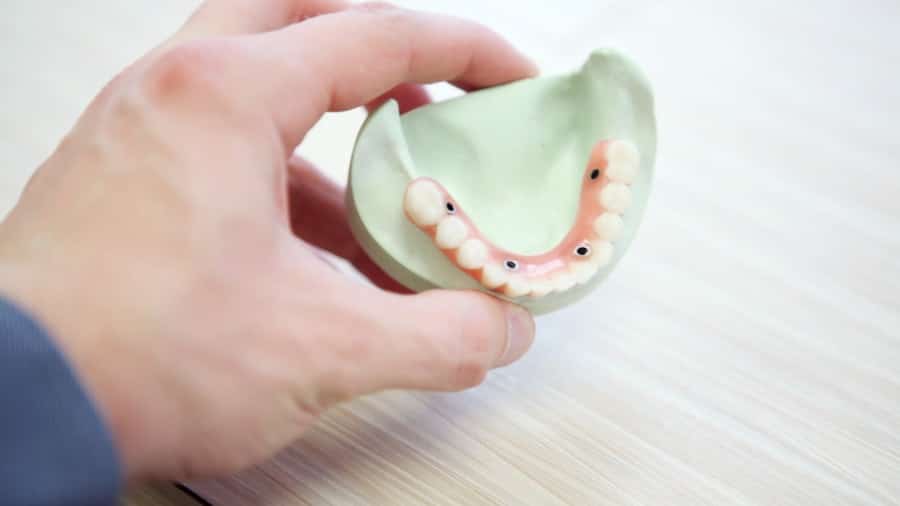
While titanium is widely used for dental implants due to its biocompatibility and strength, some individuals may experience allergic reactions to this material or other components used in the implant system. Symptoms of an allergic reaction can include swelling, redness, or discomfort at the implant site. Although rare, it is essential to discuss any known allergies with your dentist before undergoing surgery.
In some cases, complications may arise from the materials used in dental implants beyond allergies. For instance, certain coatings or surface treatments applied to implants may not bond well with bone tissue or could lead to inflammation. Your dentist will consider these factors when selecting an implant system tailored to your needs.
By being open about your medical history and any concerns regarding materials, you can help ensure a smoother experience throughout your treatment.
Risks Associated with Surgery and Anesthesia
As with any surgical procedure, there are inherent risks associated with dental implant surgery and anesthesia administration. While local anesthesia is commonly used for this type of procedure and is generally considered safe, some patients may experience adverse reactions or complications related to anesthesia. These can range from mild side effects like nausea to more severe reactions requiring medical intervention.
Additionally, surgical risks such as excessive bleeding or damage to surrounding tissues are possible during dental implant placement. Your dentist will take precautions to minimize these risks by conducting a thorough evaluation before surgery and employing best practices during the procedure. It is essential for you to communicate any concerns or medical conditions that could affect your surgery so that your dental team can tailor their approach accordingly.
Minimizing Risks and Ensuring Successful Dental Implant Procedures
To ensure a successful dental implant procedure while minimizing risks, there are several steps you can take as a patient. First and foremost, choosing a qualified and experienced dental professional is crucial. Researching their credentials and reading patient reviews can help you feel more confident in your choice.
Moreover, maintaining good oral hygiene before and after surgery cannot be overstated. Regular brushing and flossing will help keep your mouth healthy and reduce the risk of infection. Following all pre-operative instructions provided by your dentist will also set you up for success; this may include dietary restrictions or medication adjustments.
Finally, attending follow-up appointments is vital for monitoring your healing process and addressing any concerns that may arise post-surgery. By being proactive about your oral health and staying engaged in your treatment plan, you can significantly enhance your chances of enjoying a successful outcome with dental implants. In conclusion, while dental implants offer a promising solution for tooth replacement, it is essential to be aware of potential risks and complications associated with the procedure.
By understanding these factors and taking proactive steps to minimize them, you can embark on your journey toward restoring your smile with confidence.
If you are considering getting dental implants, it is important to be aware of the risks involved. A comprehensive guide to these risks can be found in the article “Costs for Dental Implants in Draper, Utah.” This article provides valuable information on potential complications and side effects that may arise from getting dental implants. It is crucial to educate yourself on these risks before undergoing any dental procedure to make an informed decision about your oral health.
FAQs
What are the risks associated with dental implants?
Some potential risks of dental implants include infection at the implant site, damage to surrounding teeth or blood vessels, nerve damage, and implant failure.
Who is at risk for complications from dental implants?
Individuals with certain medical conditions such as diabetes or a weakened immune system may be at higher risk for complications from dental implants. Additionally, smokers and those with poor oral hygiene may also be at increased risk.
What are the signs of a dental implant failure?
Signs of dental implant failure may include pain or discomfort at the implant site, swelling, redness, or discharge from the implant site, and difficulty chewing or speaking.
How can the risk of complications from dental implants be minimized?
To minimize the risk of complications from dental implants, it is important to choose a qualified and experienced dental implant specialist, follow proper oral hygiene practices, and disclose any medical conditions or medications to the dental provider.
What should I do if I experience complications from a dental implant?
If you experience complications from a dental implant, it is important to contact your dental provider immediately. They can assess the situation and provide appropriate treatment to address the issue.