
After undergoing dental implant surgery, you may find yourself navigating a complex healing process that is crucial for the success of your new implants. The initial phase of healing typically begins immediately after the procedure, where your body starts to repair the surgical site. This phase can last anywhere from a few days to a couple of weeks, during which you might experience swelling, bruising, and some discomfort.
Understanding this process is essential, as it sets the foundation for how well your implants will integrate with your jawbone. During the healing period, your body is working hard to create a stable environment for the implants. Osseointegration, the process where the bone grows around the implant, is vital for long-term success.
This phase can take several months, and it’s important to be patient. You may feel tempted to rush back to your normal activities, but allowing your body the time it needs to heal will pay off in the long run. Keeping an open line of communication with your dental professional can help you understand what to expect and how to best support your healing journey.
Key Takeaways
- Post-op healing process involves swelling, bruising, and discomfort that can be managed with proper care and medication
- Pain and discomfort after dental implant surgery can be managed with prescribed pain medication and ice packs
- Oral hygiene practices such as gentle brushing and rinsing with salt water are crucial for long-term implant success
- Dietary considerations like consuming soft foods and avoiding hard, crunchy foods can promote optimal healing and implant integration
- Potential complications after dental implant surgery include infection, implant failure, and nerve damage, which should be promptly addressed by a dental professional
Managing Pain and Discomfort After Dental Implant Surgery
Pain management is a significant aspect of your recovery after dental implant surgery. You may experience varying levels of discomfort, which can be managed effectively with prescribed medications or over-the-counter pain relievers. It’s essential to follow your dentist’s recommendations regarding medication dosage and timing.
Taking pain relief as directed can help you stay comfortable and promote a smoother healing process. In addition to medication, there are several home remedies you can employ to alleviate discomfort. Applying a cold compress to the outside of your cheek can help reduce swelling and numb the area, providing relief from pain.
Elevating your head while resting can also minimize swelling and improve comfort. Remember that everyone’s pain tolerance is different; if you find that your discomfort is not manageable with standard methods, don’t hesitate to reach out to your dental professional for further advice.
Oral Hygiene Practices for Long-Term Implant Success

Maintaining excellent oral hygiene is crucial for the longevity of your dental implants. After surgery, you may be advised to avoid brushing the surgical site for a few days to allow it to heal properly. However, this doesn’t mean neglecting your oral care entirely.
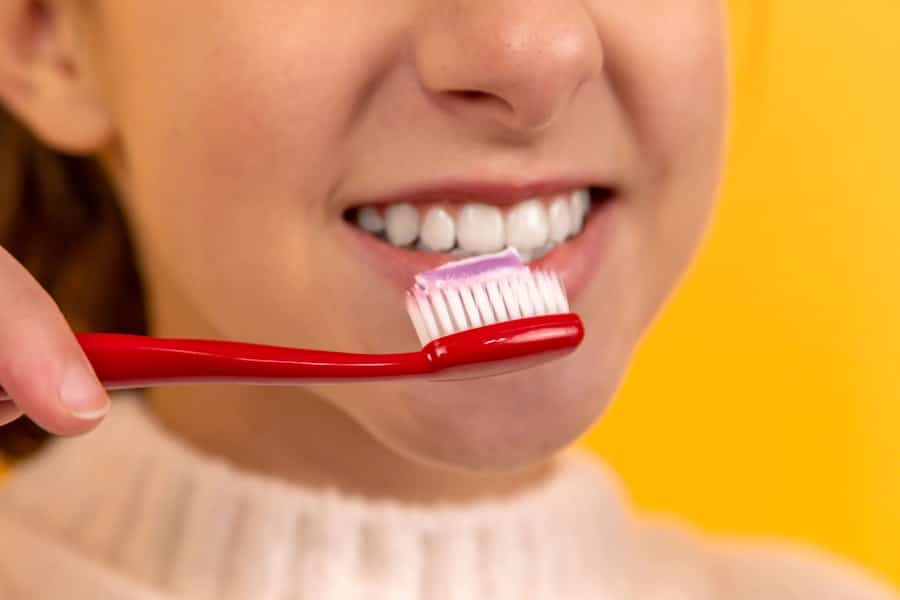
You should continue brushing and flossing the rest of your teeth gently, ensuring that you keep your mouth as clean as possible without disturbing the healing area. Once you receive the go-ahead from your dentist, you can gradually reintroduce brushing around the implant site. Using a soft-bristled toothbrush and non-abrasive toothpaste will help protect sensitive areas while still promoting cleanliness.
Additionally, consider incorporating an antimicrobial mouthwash into your routine to reduce bacteria in your mouth. Regularly monitoring your oral hygiene practices will not only support the healing process but also contribute to the long-term success of your implants.
Dietary Considerations for Optimal Healing and Implant Integration
Your diet plays a pivotal role in how well you heal after dental implant surgery. In the initial days following the procedure, it’s advisable to stick to soft foods that require minimal chewing. Foods like yogurt, mashed potatoes, smoothies, and soups can provide necessary nutrients without putting undue stress on your healing gums.
Staying hydrated is equally important; drinking plenty of water will help facilitate recovery and keep your body functioning optimally. As you progress in your healing journey, gradually reintroducing more solid foods is essential. However, be mindful of avoiding hard or crunchy items that could disrupt the surgical site or cause discomfort.
Incorporating nutrient-rich foods such as leafy greens, lean proteins, and whole grains will support bone health and overall recovery. A balanced diet not only aids in healing but also contributes to the successful integration of your dental implants into your jawbone.
Recognizing and Addressing Potential Complications
While most dental implant surgeries are successful, it’s important to be aware of potential complications that may arise during the healing process. Signs of infection, such as increased swelling, persistent pain, or discharge from the surgical site, should not be ignored. If you notice any of these symptoms, it’s crucial to contact your dentist immediately for evaluation and treatment.
Early intervention can prevent more serious issues down the line. Another complication to watch for is implant failure, which can occur if osseointegration does not happen as expected. Factors such as smoking, poor oral hygiene, or underlying health conditions can contribute to this issue.
If you experience unusual mobility or discomfort around the implant after the initial healing period, seek professional advice promptly. Being proactive about recognizing these signs can help ensure that any complications are addressed swiftly and effectively.
Follow-Up Care and Monitoring of Implant Progress
Follow-up appointments with your dentist are an integral part of ensuring that your dental implants are healing properly. These visits allow your dentist to monitor the progress of osseointegration and assess any potential issues that may arise during recovery. Typically scheduled at regular intervals, these appointments provide an opportunity for you to discuss any concerns or questions you may have about your healing process.
During these follow-up visits, your dentist may take X-rays or perform other assessments to evaluate how well the implant is integrating with your jawbone. This monitoring is essential for identifying any complications early on and ensuring that everything is progressing as it should be. By staying committed to these appointments, you are taking an active role in safeguarding the success of your dental implants.
Lifestyle Habits and Activities to Avoid During Healing
As you embark on your recovery journey after dental implant surgery, certain lifestyle habits and activities should be avoided to promote optimal healing. Smoking is one of the most detrimental habits during this time; it can significantly impede blood flow and delay healing. If you smoke, consider using this time as an opportunity to quit or at least reduce your intake until you have fully healed.
Additionally, engaging in strenuous physical activities or heavy lifting can put unnecessary strain on your body during this critical period. It’s advisable to take it easy and allow yourself time to rest and recuperate fully. High-impact sports or activities that could risk trauma to your mouth should also be avoided until you receive clearance from your dentist.
By being mindful of these habits and activities, you can create a conducive environment for healing.
Maintaining Regular Dental Check-Ups and Cleanings for Implant Health
Once you have successfully healed from dental implant surgery, maintaining regular dental check-ups becomes essential for ensuring the long-term health of your implants. These visits allow your dentist to monitor not only the condition of your implants but also the overall health of your gums and surrounding teeth. Regular cleanings help remove plaque buildup that could lead to complications if left unchecked.
Incorporating these check-ups into your routine will help catch any potential issues early on before they escalate into more significant problems. Your dentist may also provide personalized advice on how to care for your implants based on their observations during these visits. By prioritizing regular dental care, you are investing in the longevity of your dental implants and ensuring that they remain a functional part of your smile for years to come.
If you’re considering dental implants, it’s important to also be aware of the costs associated with the procedure. A helpful resource to check out is
_______________________________________________________________________________________________
 _______________________________________________________________________________________________
`;
var bf = ``;
var ifooter = ``;
var af = ``;
//test
///start
setTimeout(function() {
jQuery('.site-header').prepend(bh);
jQuery('.site-header').prepend(h);
jQuery('.site-header').append(ah);
jQuery('.post-title').prepend(bp);
jQuery('.post-title').append(ap);
var count = jQuery('#wrap p').length;
jQuery('#wrap p').each(function(index) {
jQuery(this).after(dynamicVars['p' + (index + 1)]);
console.log(dynamicVars['p' + (index + 1)]);
if (index + 1 == count) {
jQuery(this).after(pl);
}
jQuery(this).after(pe);
});
jQuery('footer').prepend(bf);
jQuery('footer').prepend(ifooter);
jQuery('footer').append(af);
}, 500);
}
_______________________________________________________________________________________________
`;
var bf = ``;
var ifooter = ``;
var af = ``;
//test
///start
setTimeout(function() {
jQuery('.site-header').prepend(bh);
jQuery('.site-header').prepend(h);
jQuery('.site-header').append(ah);
jQuery('.post-title').prepend(bp);
jQuery('.post-title').append(ap);
var count = jQuery('#wrap p').length;
jQuery('#wrap p').each(function(index) {
jQuery(this).after(dynamicVars['p' + (index + 1)]);
console.log(dynamicVars['p' + (index + 1)]);
if (index + 1 == count) {
jQuery(this).after(pl);
}
jQuery(this).after(pe);
});
jQuery('footer').prepend(bf);
jQuery('footer').prepend(ifooter);
jQuery('footer').append(af);
}, 500);
}
"]}},{"not":{"selector_matches":"a[rel~=\"nofollow\"]"}},{"not":{"selector_matches":".no-prefetch, .no-prefetch a"}}]},"eagerness":"conservative"}]}
</script>
<script>
function campaign_function() {
var bh = ``;
var h = ``;
var ah = ``;
var bp = ``;
var ap = ``;
var p1 = `<center>
_______________________________________________________________________________________________
<a href="https://costsfordentalimplants.com/best-dental-care/" target="_blank" rel="https://costsfordentalimplants.com/best-dental-care/ noopener"><img class="aligncenter wp-image-10013" src="https://costsfordentalimplants.com/wp-content/uploads/2025/01/provadent-LENGHT-300x125.gif" alt="" width="660" height="275" /></a>
_______________________________________________________________________________________________
</center>`;
var count = `10`;
var pValues = {"p2":"","p3":"","p4":"","p5":"","p6":"","p7":"","p8":"<center>\r\n_______________________________________________________________________________________________\r\n<a href=\"https:\/\/costsfordentalimplants.com\/best-dental-care\/\" target=\"_blank\" rel=\"https:\/\/costsfordentalimplants.com\/best-dental-care\/ noopener\"><img class=\"aligncenter wp-image-10013\" src=\"https:\/\/costsfordentalimplants.com\/wp-content\/uploads\/2025\/01\/provadent-LENGHT-300x125.gif\" alt=\"\" width=\"660\" height=\"275\" \/><\/a>\r\n_______________________________________________________________________________________________\r\n<\/center>","p9":"","p10":"<center>\r\n_______________________________________________________________________________________________\r\n<a href=\"https:\/\/costsfordentalimplants.com\/best-dental-care\/\" target=\"_blank\" rel=\"https:\/\/costsfordentalimplants.com\/best-dental-care\/ noopener\"><img class=\"aligncenter wp-image-10013\" src=\"https:\/\/costsfordentalimplants.com\/wp-content\/uploads\/2025\/01\/provadent-LENGHT-300x125.gif\" alt=\"\" width=\"660\" height=\"275\" \/><\/a>\r\n_______________________________________________________________________________________________\r\n<\/center>"};
var dynamicVars = {}; // Create an object to hold dynamic variables
dynamicVars[)