
After undergoing dental implant surgery, you may find yourself in a whirlwind of emotions, from relief to anxiety about the healing process. It’s crucial to recognize that maintaining your oral health during this recovery phase is not just important; it’s essential for the success of your implants. The period following surgery is a critical time when your body is working hard to heal, and your actions can significantly influence the outcome.
By prioritizing your oral health, you can help ensure that your implants integrate properly with your jawbone and that you avoid complications that could lead to further procedures. Your commitment to post-operative care can make a world of difference. Understanding the importance of this phase means acknowledging that your mouth is a complex environment where bacteria thrive.
After surgery, the risk of infection increases, and your body needs all the support it can get to fend off any potential issues. By being proactive about your oral health, you not only enhance the healing process but also set the stage for long-term success with your dental implants. This understanding will empower you to take the necessary steps to care for your mouth effectively.
Key Takeaways
- Proper post-op oral health is crucial for successful dental implant surgery and long-term oral health.
- Common post-op oral health problems after dental implant surgery include swelling, bruising, pain, and potential infection.
- Managing pain and discomfort after dental implant surgery may involve medication, ice packs, and rest.
- Preventing infection and promoting healing after dental implant surgery requires good oral hygiene and following post-op care instructions.
- Maintaining proper oral hygiene after dental implant surgery is essential for preventing complications and ensuring the success of the implants.
- Addressing swelling and bruising after dental implant surgery may involve using ice packs and keeping the head elevated.
- Dietary considerations for post-op oral health may include avoiding hard or crunchy foods and sticking to a soft diet.
- Seek professional help for post-op oral health issues if you experience excessive bleeding, severe pain, or signs of infection.
Common Post-Op Oral Health Problems After Dental Implant Surgery
As you navigate the recovery journey after dental implant surgery, it’s essential to be aware of the common oral health problems that may arise. One of the most prevalent issues is swelling, which can occur as a natural response to the surgical procedure. While some degree of swelling is expected, excessive swelling can be a sign of complications.
You might also experience discomfort or pain in the area surrounding the implant site, which can vary in intensity from mild to severe. Recognizing these symptoms early on can help you manage them effectively and seek professional advice if necessary. Another common concern is the risk of infection.
The surgical site is vulnerable immediately after the procedure, and bacteria can easily infiltrate the area if proper care isn’t taken. Signs of infection may include increased pain, redness, or discharge from the implant site. Additionally, you may notice changes in your overall health, such as fever or fatigue.
Being vigilant about these symptoms will allow you to address any issues promptly, ensuring that your recovery remains on track and that your dental implants have the best chance of success.
Managing Pain and Discomfort After Dental Implant Surgery
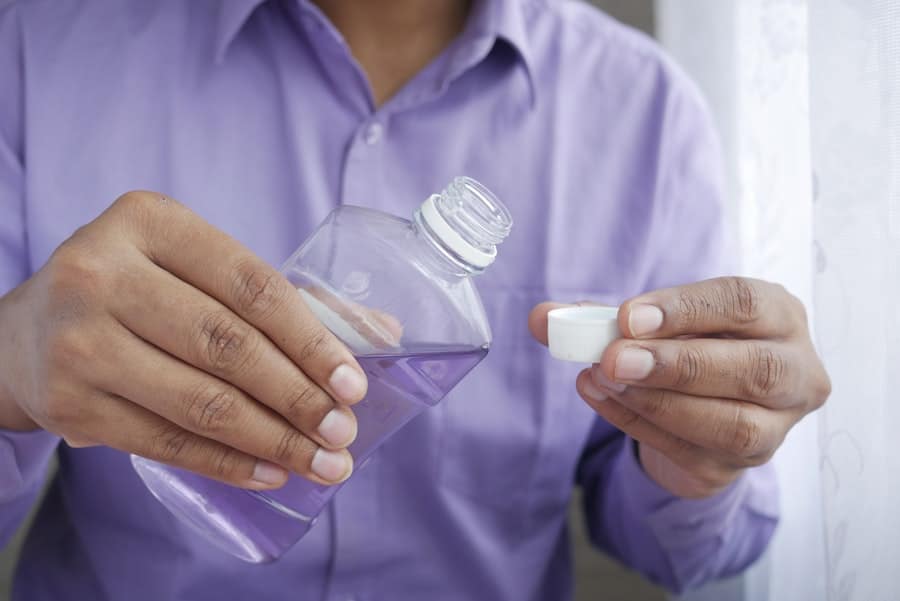
Pain management is a crucial aspect of your recovery after dental implant surgery. You may experience varying levels of discomfort as your body heals, but there are effective strategies to help alleviate this pain. Your dentist will likely prescribe pain medication or recommend over-the-counter options to help you manage any discomfort.
It’s important to follow their instructions carefully and take medications as directed to ensure optimal relief. Additionally, applying a cold compress to the outside of your cheek can help reduce swelling and numb the area, providing further comfort. Beyond medication, there are other techniques you can employ to manage pain effectively.
Resting and allowing your body time to heal is vital; avoid strenuous activities that could exacerbate discomfort. Elevating your head while sleeping can also minimize swelling and improve your overall comfort level. Listening to your body and responding to its needs will play a significant role in how well you manage pain during this recovery period.
Preventing Infection and Promoting Healing
Preventing infection is one of the most critical aspects of post-operative care after dental implant surgery. To minimize the risk of infection, it’s essential to follow your dentist’s post-operative instructions meticulously. This may include taking prescribed antibiotics or using an antibacterial mouthwash as directed.
Keeping the surgical site clean is paramount; however, you should be gentle when brushing near the implant area to avoid disturbing the healing tissue. In addition to maintaining cleanliness, promoting healing involves adopting healthy habits that support your body’s recovery process. Staying hydrated is vital; drinking plenty of water helps flush out toxins and keeps your mouth moist, which can aid in healing.
Incorporating nutrient-rich foods into your diet can also bolster your immune system and promote tissue repair. Foods high in vitamins C and D, along with calcium, are particularly beneficial for oral health and healing after surgery.
Maintaining Proper Oral Hygiene After Dental Implant Surgery
Maintaining proper oral hygiene after dental implant surgery is essential for ensuring a successful recovery and long-term health of your implants. While it may be tempting to avoid brushing or flossing around the surgical site due to discomfort, it’s crucial to keep the area clean to prevent infection. Your dentist will likely provide specific guidelines on when and how to resume your oral hygiene routine, so be sure to follow their recommendations closely.
Using a soft-bristled toothbrush can help you clean your teeth without causing irritation to the surgical site. Gently brushing around the implant area while avoiding direct contact with it can help maintain cleanliness without disrupting healing. Flossing should also be approached with caution; consider using a floss threader or interdental brushes designed for sensitive areas.
By prioritizing oral hygiene during this critical time, you’ll be taking proactive steps toward ensuring the longevity of your dental implants.
Addressing Swelling and Bruising After Dental Implant Surgery
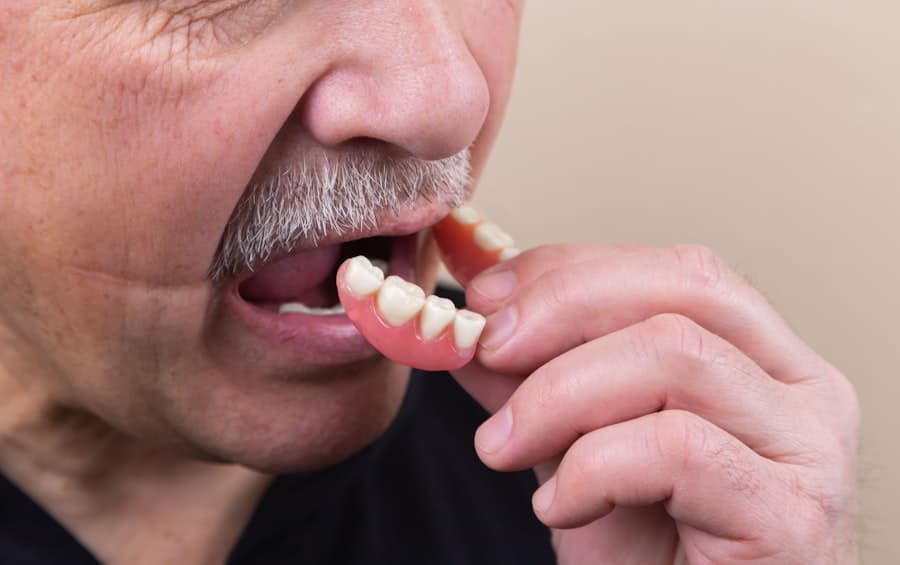
Swelling and bruising are common occurrences following dental implant surgery, and understanding how to address these symptoms can significantly enhance your comfort during recovery. Swelling typically peaks within 48 hours post-surgery and gradually subsides over time. To manage swelling effectively, applying ice packs intermittently during the first couple of days can help reduce inflammation and provide relief from discomfort.
Bruising may also develop around the surgical site as a result of tissue trauma during the procedure. While bruising can be unsightly, it usually resolves on its own within a week or two. If you notice excessive swelling or bruising that doesn’t improve over time, it’s essential to consult with your dentist for further evaluation.
They can assess whether these symptoms are part of a normal healing process or if they indicate a more serious issue that requires attention.
Dietary Considerations for Post-Op Oral Health
Your diet plays a significant role in your recovery after dental implant surgery, and making thoughtful choices can promote healing while minimizing discomfort. In the initial days following surgery, it’s advisable to stick to soft foods that require minimal chewing. Foods like yogurt, mashed potatoes, smoothies, and soups are excellent options that provide nourishment without putting stress on your healing gums.
As you progress in your recovery and begin to reintroduce solid foods into your diet, focus on incorporating nutrient-dense options that support oral health. Foods rich in vitamins and minerals—such as leafy greens, nuts, fish, and lean proteins—can aid in tissue repair and bolster your immune system. Avoiding hard, crunchy, or sticky foods during the early stages of recovery will help prevent irritation or damage to the surgical site, allowing for a smoother healing process.
When to Seek Professional Help for Post-Op Oral Health Issues
While many aspects of post-operative care can be managed at home, there are times when seeking professional help becomes necessary. If you experience severe pain that doesn’t respond to medication or if you notice signs of infection—such as persistent swelling, fever, or unusual discharge from the surgical site—it’s crucial to contact your dentist immediately. These symptoms could indicate complications that require prompt intervention.
Additionally, if you have concerns about how your recovery is progressing or if you’re unsure whether certain symptoms are normal, don’t hesitate to reach out for guidance. Your dentist is there to support you through this process and can provide valuable insights into what constitutes typical healing versus what may require further evaluation. By staying informed and proactive about your post-op oral health, you’ll be better equipped to navigate any challenges that arise during your recovery journey.
If you are considering getting dental implants in St. Paul, Minnesota, Arlington, Texas, or Surprise, Arizona, it is important to be aware of the potential post-op oral health problems that may arise. In a related article, “Costs for Dental Implants: A Comprehensive Guide to Post-Op Oral Health Problems,” you can learn about common issues such as infection, nerve damage, and implant failure, as well as how to prevent and treat them. This comprehensive guide will help you navigate the potential challenges of the post-operative period and ensure the long-term success of your dental implants. Read more here.
FAQs
What are dental implants?
Dental implants are artificial tooth roots that are placed in the jaw to support a replacement tooth or bridge. They are a popular and effective long-term solution for people who have lost teeth due to periodontal disease, injury, or other reasons.
What are some common post-op oral health problems after getting dental implants?
Some common post-op oral health problems after getting dental implants include infection, nerve damage, sinus problems, implant failure, and peri-implantitis (inflammation of the tissue surrounding the implant).
How can I prevent post-op oral health problems after getting dental implants?
To prevent post-op oral health problems after getting dental implants, it is important to follow the dentist’s post-operative care instructions, maintain good oral hygiene, avoid smoking, and attend regular dental check-ups.
What are the signs of infection after getting dental implants?
Signs of infection after getting dental implants may include persistent pain, swelling, redness, and discharge around the implant site. It is important to seek prompt dental care if any of these symptoms occur.
What is peri-implantitis and how is it treated?
Peri-implantitis is inflammation of the tissue surrounding the implant, which can lead to bone loss and implant failure. It is treated through professional cleaning of the implant surface, antibiotics, and in severe cases, surgical intervention.
How long does it take to recover from getting dental implants?
The recovery time from getting dental implants varies from person to person, but it generally takes several months for the implant to fully integrate with the jawbone. During this time, it is important to follow the dentist’s post-operative care instructions for optimal healing.