
After undergoing dental implant surgery, you may find yourself in a whirlwind of emotions, from relief to anxiety about the healing process. It’s crucial to recognize that the steps you take in the days and weeks following your procedure can significantly influence the success of your implants. Post-operative oral health practices are not merely recommendations; they are essential components of your recovery journey.
By adhering to these practices, you can minimize the risk of complications, promote healing, and ensure that your implants integrate seamlessly with your jawbone. You might be surprised to learn that the initial healing phase is critical for the osseointegration process, where the implant fuses with your bone. This integration is vital for the stability and longevity of your dental implants.
Therefore, understanding and implementing effective post-operative care can make a world of difference. From managing pain to maintaining oral hygiene, each aspect plays a role in your overall recovery. By prioritizing these practices, you set yourself up for a successful outcome and a healthier smile in the long run.
Key Takeaways
- Proper post-op oral health practices are crucial for successful dental implant surgery and long-term oral health.
- Managing pain and discomfort after dental implant surgery may involve medication, ice packs, and rest.
- Maintaining proper oral hygiene, including gentle brushing and rinsing with salt water, is essential for healing and long-term success of dental implants.
- A diet rich in nutrients like protein, vitamins, and minerals can support healing and implant integration.
- Recognizing signs of complications such as excessive bleeding or swelling and seeking professional help promptly is important for successful recovery after dental implant surgery.
Managing Pain and Discomfort After Dental Implant Surgery
Experiencing pain and discomfort after dental implant surgery is entirely normal, but how you manage this discomfort can greatly affect your recovery. Your dentist will likely prescribe pain medication or recommend over-the-counter options to help alleviate any soreness. It’s essential to follow their instructions carefully, taking medications as directed to keep pain at bay.
You may also find that applying a cold compress to the outside of your cheek can help reduce swelling and numb the area, providing additional relief. In addition to medication and cold therapy, you should also be mindful of your activity levels during the initial recovery period. Rest is crucial; engaging in strenuous activities can exacerbate discomfort and prolong healing.
You might want to plan for a few days of downtime after your surgery, allowing your body to focus on recovery. Listening to your body is key—if you feel pain intensifying or if discomfort persists beyond what is expected, don’t hesitate to reach out to your dental professional for guidance.
Maintaining Proper Oral Hygiene for Healing and Long-term Success

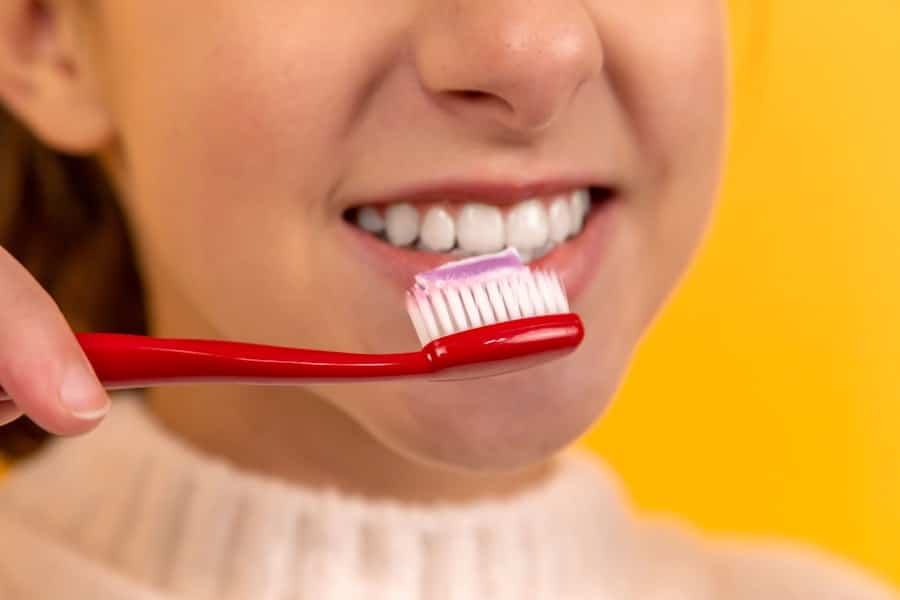
Maintaining proper oral hygiene after dental implant surgery is paramount for both healing and long-term success. While it may be tempting to avoid brushing near the surgical site due to sensitivity, it’s essential to keep the area clean to prevent infection. Your dentist will likely provide specific instructions on how to care for your mouth during this time, including recommendations for gentle brushing techniques and the use of antimicrobial mouth rinses.
You should also consider investing in a soft-bristled toothbrush or an electric toothbrush with a gentle setting. These tools can help you clean your teeth effectively without causing additional irritation to the surgical site. Flossing may be tricky initially, but it’s important to maintain cleanliness between your teeth.
You might find that using a water flosser is a gentler alternative that can help you keep your mouth clean without disturbing the healing tissue.
Diet and Nutrition Tips for Supporting Healing and Implant Integration
Your diet plays a significant role in supporting healing after dental implant surgery. In the days following your procedure, you should focus on consuming soft foods that require minimal chewing. Foods like yogurt, smoothies, mashed potatoes, and soups can provide essential nutrients while being easy on your healing gums.
Staying hydrated is equally important; drinking plenty of water will help flush out toxins and keep your body functioning optimally. As you progress in your recovery, consider incorporating nutrient-rich foods that promote healing and bone health. Foods high in calcium, such as dairy products and leafy greens, are beneficial for bone integration around your implants.
Additionally, protein-rich foods like eggs, fish, and legumes can aid in tissue repair. You might also want to include foods rich in vitamins C and D, as they play crucial roles in healing and immune function. By focusing on a balanced diet, you can support your body’s natural healing processes and enhance the success of your dental implants.
Recognizing Signs of Complications and When to Seek Professional Help
While most dental implant surgeries go smoothly, it’s essential to be aware of potential complications that may arise during your recovery. Signs such as excessive swelling, prolonged bleeding, or severe pain that doesn’t improve with medication could indicate an issue that requires professional attention. You should also be vigilant for signs of infection, such as fever or pus discharge from the surgical site.
If you notice any of these symptoms, don’t hesitate to contact your dentist immediately. Being proactive about your health is crucial during this period. Regular follow-up appointments with your dentist will allow them to monitor your healing progress and address any concerns you may have.
If something feels off or if you have questions about your recovery, trust your instincts and reach out for guidance. Early intervention can often prevent more serious complications down the line.
Lifestyle Adjustments for Optimal Healing and Implant Success
Making lifestyle adjustments can significantly impact your recovery after dental implant surgery. One of the most important changes you might consider is avoiding tobacco products. Smoking can hinder blood flow and delay healing, increasing the risk of complications with your implants.
If you’re a smoker, now might be an excellent time to consider quitting or at least reducing your intake during the recovery period. Additionally, you should be mindful of your physical activity levels during this time. While staying active is generally beneficial for health, high-impact exercises or activities that put strain on your jaw should be avoided until you receive clearance from your dentist.
Instead, focus on gentle activities like walking or stretching that won’t interfere with your healing process. By making these adjustments, you create an environment conducive to successful healing and long-term implant success.
Long-term Care and Maintenance of Dental Implants
Once you’ve successfully healed from dental implant surgery, ongoing care becomes essential for maintaining the health and longevity of your implants. Regular dental check-ups are crucial; these visits allow your dentist to monitor the condition of your implants and surrounding tissues. During these appointments, professional cleanings will help remove plaque buildup that could lead to complications if left unchecked.
In addition to professional care, you should establish a robust at-home oral hygiene routine. Brushing twice daily with fluoride toothpaste and flossing regularly will help keep your mouth healthy and free from bacteria that could compromise your implants. You might also consider using an antimicrobial mouthwash as part of your routine to further protect against infection.
By committing to these practices, you can enjoy the benefits of your dental implants for many years to come.
Frequently Asked Questions About Post-op Oral Health Practices for Dental Implants
As you navigate the post-operative phase after dental implant surgery, it’s natural to have questions about what to expect and how to care for yourself effectively. One common question is how long it will take for full recovery; while individual experiences vary, most people can expect a healing period of several months before their implants are fully integrated. Your dentist will provide a timeline tailored to your specific situation.
Another frequently asked question revolves around dietary restrictions post-surgery. Initially, soft foods are recommended; however, as healing progresses, you’ll gradually be able to reintroduce harder foods into your diet. It’s essential to listen to your body during this transition—if something causes discomfort, it’s best to avoid it until you feel ready.
By staying informed and proactive about your post-op care, you can ensure a smoother recovery process and enjoy the benefits of your new dental implants for years to come.
If you are considering getting dental implants in Canton, Ohio, Kent, Washington, or Middletown, Connecticut, it is important to understand the costs involved. A related article on Costs for Dental Implants in Canton, Ohio provides valuable information on the expenses associated with this procedure in that specific location. This article can help you make an informed decision about your oral health and financial investment in dental implants.
FAQs
What are dental implants?
Dental implants are artificial tooth roots that are placed in the jaw to support a replacement tooth or bridge. They are a popular and effective long-term solution for people who have lost one or more teeth.
What are the post-op oral health practices for dental implants?
After getting dental implants, it is important to maintain good oral hygiene practices. This includes brushing and flossing regularly, using an antimicrobial mouthwash, and attending regular dental check-ups.
How long does it take to recover from dental implant surgery?
The recovery time from dental implant surgery can vary from person to person, but it generally takes about 6-8 months for the implant to fully integrate with the jawbone. During this time, it is important to follow the post-op oral health practices recommended by your dentist.
What are the potential complications of dental implant surgery?
Complications from dental implant surgery are rare, but they can include infection, nerve damage, and damage to surrounding teeth or blood vessels. It is important to follow your dentist’s post-op instructions to minimize the risk of complications.
Can dental implants be cared for like natural teeth?
Yes, dental implants should be cared for like natural teeth. This includes regular brushing and flossing, as well as attending regular dental check-ups. It is important to maintain good oral hygiene practices to ensure the long-term success of the dental implants.