
After undergoing dental implant surgery, you may find yourself in a unique position where your oral health requires special attention. The importance of modifying your oral health routine during this recovery period cannot be overstated. Your body is healing, and the implants are integrating with your jawbone, a process known as osseointegration.
This crucial phase demands that you take extra care to ensure that your mouth remains free from infection and that the healing process proceeds smoothly. By understanding the significance of post-operative oral health modifications, you can set the stage for a successful recovery. You might be surprised to learn that the first few weeks following your surgery are critical for the long-term success of your dental implants.
During this time, your body is working hard to accept the implants as part of your natural anatomy. Any lapse in your oral hygiene or neglect of dietary recommendations can jeopardize this process. Therefore, it is essential to be proactive and informed about how to care for your mouth during this period.
By making necessary adjustments to your oral health routine, you can significantly enhance the chances of a successful outcome and enjoy the benefits of your new smile for years to come.
Key Takeaways
- Proper post-op oral health modification is crucial for successful dental implant surgery and long-term oral health.
- Managing pain and discomfort after dental implant surgery may involve medication and following the dentist’s instructions for rest and recovery.
- Dietary modifications, such as consuming soft foods and avoiding hard or sticky foods, can promote optimal healing and recovery after dental implant surgery.
- Oral hygiene practices, including gentle brushing and flossing, are essential for maintaining oral health and preventing complications after dental implant surgery.
- Recognizing and preventing complications, such as infection or implant failure, is important for the success of dental implant surgery and long-term oral health.
Managing Pain and Discomfort After Dental Implant Surgery
Experiencing pain and discomfort after dental implant surgery is entirely normal, and knowing how to manage these sensations can make a significant difference in your recovery experience. You may find that over-the-counter pain relievers, such as ibuprofen or acetaminophen, can help alleviate discomfort effectively. However, it’s crucial to follow the dosage instructions provided by your dentist or oral surgeon to avoid any adverse effects.
Additionally, applying a cold compress to the outside of your cheek can help reduce swelling and numb the area, providing you with some much-needed relief. In some cases, your dentist may prescribe stronger pain medication if they anticipate that you will experience significant discomfort. If this is the case, be sure to take the medication as directed and keep an eye out for any side effects.
It’s also wise to maintain open communication with your dental care provider; if you find that your pain is not manageable or worsens over time, don’t hesitate to reach out for guidance. Remember, managing pain effectively not only enhances your comfort but also allows you to focus on healing and following through with other essential post-operative care.
Dietary Modifications for Optimal Healing and Recovery
Your diet plays a pivotal role in your recovery after dental implant surgery. You may need to make some temporary modifications to ensure that you are consuming foods that promote healing while avoiding those that could hinder your recovery. In the initial days following surgery, it’s advisable to stick to soft foods that require minimal chewing.
Think of options like yogurt, smoothies, mashed potatoes, and soups. These foods are not only gentle on your healing gums but also provide essential nutrients that support recovery. As you progress in your healing journey, you can gradually reintroduce more solid foods into your diet.
However, it’s important to remain mindful of what you eat. Foods high in sugar can contribute to inflammation and may increase the risk of infection, so it’s best to limit these as much as possible. Instead, focus on incorporating nutrient-rich foods such as leafy greens, lean proteins, and whole grains into your meals.
These choices will not only aid in healing but also contribute to your overall oral health in the long run.
Oral Hygiene Practices for Dental Implant Patients
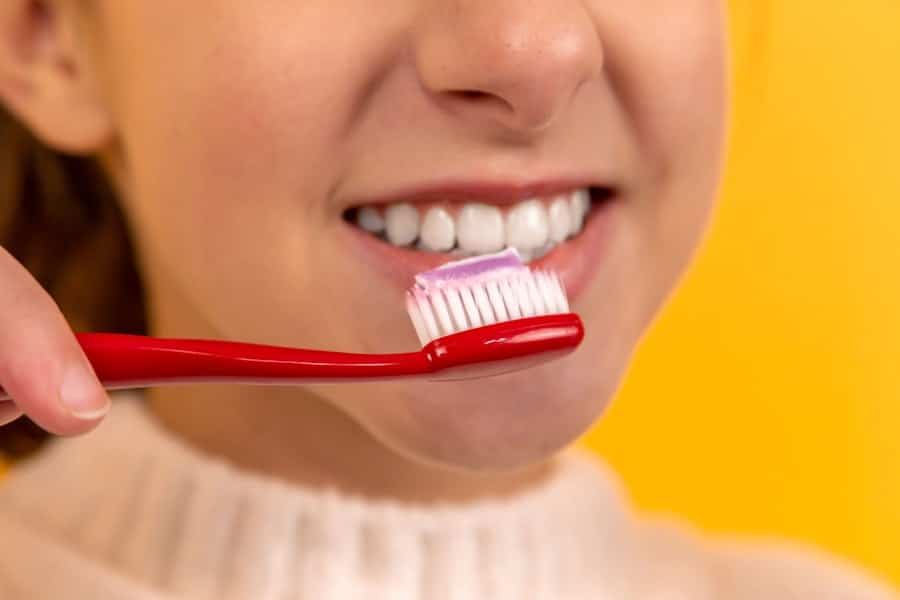
Maintaining proper oral hygiene is crucial for anyone with dental implants, especially during the recovery phase. You may feel tempted to avoid brushing or flossing around the surgical site due to discomfort or fear of disturbing the area; however, this could lead to complications such as infection or implant failure. Instead, consider using a soft-bristled toothbrush and gentle brushing techniques to clean your teeth without causing irritation.
It’s essential to keep the surgical site clean while being cautious not to apply too much pressure. In addition to brushing, you should also incorporate rinsing with an antimicrobial mouthwash into your routine. This can help reduce bacteria in your mouth and promote a healthier environment for healing.
Your dentist may recommend specific products designed for post-operative care, so be sure to follow their advice closely. Remember that good oral hygiene practices not only support healing but also set a solid foundation for the longevity of your dental implants.
Recognizing and Preventing Complications After Dental Implant Surgery
While complications after dental implant surgery are relatively rare, being aware of potential issues can help you take proactive steps toward prevention. You should be vigilant for signs of infection, such as increased swelling, persistent pain, or discharge from the surgical site. If you notice any of these symptoms, it’s crucial to contact your dentist immediately for evaluation and treatment.
Early intervention can often prevent more serious complications from developing. Another potential complication is implant failure, which can occur if the implant does not properly integrate with the jawbone. Factors such as smoking, poor oral hygiene, or underlying health conditions can increase the risk of failure.
To mitigate these risks, it’s essential to follow all post-operative care instructions provided by your dental team diligently. By being proactive about your health and recognizing warning signs early on, you can significantly reduce the likelihood of complications and ensure a smoother recovery process.
Lifestyle Modifications for Long-Term Dental Implant Success

Your lifestyle choices play a significant role in the long-term success of your dental implants. One of the most impactful changes you can make is quitting smoking if you are a smoker. Smoking has been shown to hinder healing and increase the risk of implant failure due to reduced blood flow and oxygenation in the gums.
If quitting cold turkey seems daunting, consider seeking support through cessation programs or speaking with your healthcare provider about strategies that may work for you. In addition to quitting smoking, adopting a balanced diet rich in vitamins and minerals will contribute positively to your oral health. Regular exercise can also enhance blood circulation and promote overall well-being, which indirectly supports the health of your dental implants.
By making these lifestyle modifications, you are not only investing in the longevity of your implants but also improving your overall quality of life.
Follow-Up Care and Maintenance of Dental Implants
After your dental implant surgery, follow-up appointments with your dentist are essential for monitoring the healing process and ensuring that everything is progressing as expected. During these visits, your dentist will assess how well the implants are integrating with your jawbone and check for any signs of complications. It’s important to attend these appointments diligently; they provide an opportunity for early detection of any issues that may arise.
In addition to professional check-ups, maintaining a consistent at-home care routine is vital for the longevity of your dental implants. This includes regular brushing and flossing as well as using any recommended mouth rinses or other products designed specifically for implant care. By prioritizing both professional maintenance and personal hygiene practices, you can help ensure that your dental implants remain healthy and functional for many years.
Tips for Maintaining Overall Oral Health After Dental Implant Surgery
Once you have successfully recovered from dental implant surgery, maintaining overall oral health should remain a top priority. Regular dental check-ups every six months are crucial for monitoring not just your implants but also your natural teeth and gums. During these visits, your dentist will perform cleanings and assessments that help catch any potential issues before they escalate.
In addition to professional care, continue practicing good oral hygiene at home by brushing twice daily with fluoride toothpaste and flossing regularly. Consider investing in an electric toothbrush or water flosser if you find them more effective or easier to use than traditional methods. Staying hydrated is also important; drinking plenty of water helps wash away food particles and bacteria while promoting saliva production, which is essential for maintaining oral health.
By following these guidelines and remaining committed to both post-operative care and long-term maintenance practices, you can enjoy the benefits of your dental implants while ensuring that your overall oral health remains in excellent condition. Your journey toward a healthier smile doesn’t end with surgery; it continues with every choice you make regarding your oral care moving forward.
If you are considering getting dental implants, it is important to understand the costs associated with the procedure. A helpful resource to learn more about the costs for dental implants in different locations is this article on costs for dental implants in Streamwood, Illinois. Understanding the financial aspect of dental implants can help you make an informed decision about your oral health. Additionally, it is crucial to prioritize post-op oral health modification to ensure the success of your dental implant procedure. For more information on how to care for your oral health after getting dental implants, check out the comprehensive guide mentioned above.
FAQs
What are dental implants?
Dental implants are artificial tooth roots that are placed in the jaw to support a replacement tooth or bridge. They are a popular and effective long-term solution for people who have lost one or more teeth due to periodontal disease, an injury, or some other reason.
How are dental implants placed?
The process of placing dental implants involves surgically positioning the implant into the jawbone. After the implant is placed, a period of healing is required to allow the implant to fuse with the bone. Once the healing process is complete, an artificial tooth is attached to the implant.
What are the benefits of dental implants?
Dental implants offer several benefits, including improved appearance, speech, comfort, and oral health. They are also durable and can last many years with proper care.
What is post-op oral health modification after getting dental implants?
Post-op oral health modification after getting dental implants involves maintaining good oral hygiene, avoiding hard or sticky foods, and attending regular dental check-ups. It is important to follow the dentist’s instructions for proper care of the implants to ensure their long-term success.
What are the potential risks and complications of dental implants?
While dental implants have a high success rate, there are potential risks and complications, including infection, damage to surrounding teeth or blood vessels, and nerve damage. It is important to discuss these risks with a dental professional before undergoing the procedure.
Who is a good candidate for dental implants?
Good candidates for dental implants are individuals with good oral and overall health, an adequate amount of bone in the jaw to support the implant, and healthy gums. It is important to consult with a dentist to determine if dental implants are the right option for you.