
After undergoing dental implant surgery, you may find yourself in a whirlwind of emotions, from relief to anxiety about the healing process. It’s crucial to recognize that maintaining your oral health during this recovery phase is not just important; it’s essential for the success of your dental implants. The period following surgery is a critical time when your body is working hard to integrate the implant with your jawbone.
Neglecting your oral health can lead to complications that may jeopardize the longevity of your implants. You should be aware that the mouth is a gateway to the rest of your body, and any infection or inflammation can have far-reaching effects. Post-operative care involves more than just managing pain; it includes a commitment to maintaining a clean and healthy environment for your implants.
By prioritizing your oral health, you are not only ensuring the success of your implants but also contributing to your overall well-being. This understanding will empower you to take proactive steps in your recovery journey.
Key Takeaways
- Proper post-op oral health is crucial for the success of dental implant surgery
- Pain and discomfort after surgery can be managed with prescribed medications and ice packs
- Maintaining good oral hygiene is essential for the long-term success of dental implants
- Following dietary guidelines can promote optimal healing and integration of dental implants
- Recognizing signs of infection and seeking professional help promptly is important for implant success
Managing Pain and Discomfort After Dental Implant Surgery
Following Medication Instructions
Your dentist will likely prescribe medication to help alleviate any soreness you may feel. It’s essential to follow their instructions carefully, taking medications as directed and not waiting until the pain becomes unbearable. This proactive approach can help you stay comfortable and focused on healing.
Home Remedies for Discomfort Relief
In addition to medication, there are several home remedies you can employ to ease discomfort. Applying a cold compress to the outside of your cheek can reduce swelling and numb the area, providing relief from pain. You might also find that soft foods are easier to manage during this time, allowing you to nourish your body without aggravating your surgical site.
When to Seek Further Guidance
Remember, while some discomfort is expected, if you experience severe pain or swelling that doesn’t subside, it’s crucial to reach out to your dentist for guidance.
Maintaining Proper Oral Hygiene for Long-Term Implant Success
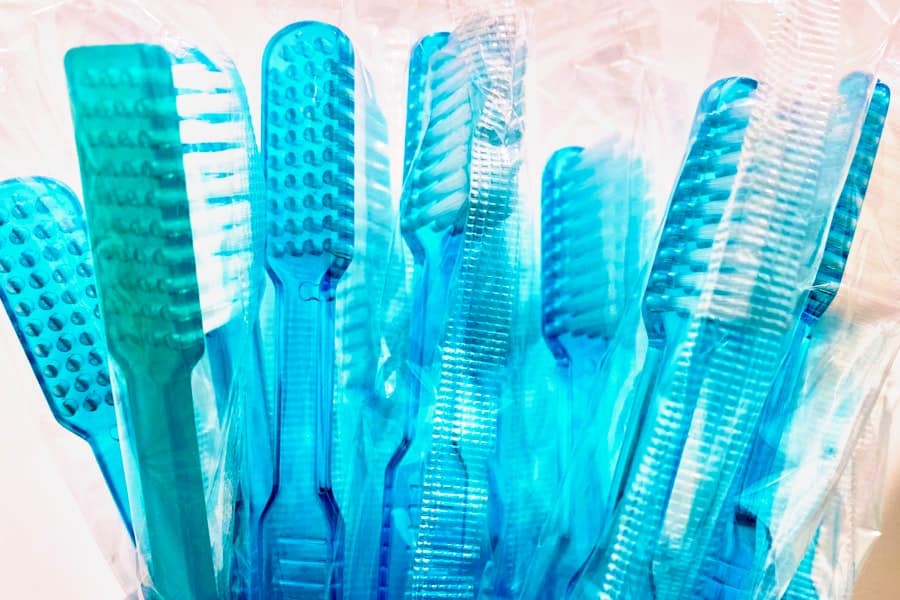
Once the initial healing period has passed, maintaining proper oral hygiene becomes paramount for the long-term success of your dental implants. You may be tempted to avoid brushing near the surgical site, but this can lead to plaque buildup and increase the risk of infection. Instead, focus on gentle brushing techniques and use a soft-bristled toothbrush to clean around the implant area carefully.
This will help keep your mouth clean while minimizing irritation. Flossing is equally important, but you may need to adjust your technique slightly. Consider using a floss threader or interdental brushes designed for implants to ensure you’re cleaning effectively without damaging the surrounding tissue.
Regular visits to your dentist for professional cleanings will also play a vital role in maintaining your oral health. By committing to a diligent oral hygiene routine, you are setting yourself up for long-term success with your dental implants.
Dietary Guidelines for Optimal Healing and Implant Integration
Your diet plays a significant role in how well you heal after dental implant surgery. In the days following the procedure, it’s advisable to stick to soft foods that require minimal chewing. Foods like yogurt, mashed potatoes, and smoothies can provide essential nutrients without putting stress on your healing gums.
Staying hydrated is equally important; drinking plenty of water will help flush out toxins and keep your body functioning optimally. As you progress in your recovery, gradually reintroducing solid foods is essential for both healing and implant integration. However, be mindful of hard or crunchy foods that could disrupt the surgical site or cause discomfort.
Incorporating nutrient-rich foods such as leafy greens, lean proteins, and healthy fats will support your body’s healing process and promote bone integration with the implant. By following these dietary guidelines, you can enhance your recovery and set the stage for successful long-term implant stability.
Recognizing Signs of Infection and When to Seek Professional Help
Being vigilant about potential signs of infection after dental implant surgery is crucial for ensuring a smooth recovery. You should be aware that symptoms such as increased swelling, persistent pain, or unusual discharge from the surgical site may indicate an infection. While some swelling and discomfort are normal post-surgery, any sudden changes in these symptoms should prompt you to contact your dentist immediately.
Infections can escalate quickly if left untreated, so it’s better to err on the side of caution. If you notice a fever or experience difficulty swallowing or breathing, seek professional help right away. Your dentist will be able to assess your situation and provide appropriate treatment if necessary.
By staying informed about these warning signs, you can take proactive steps in safeguarding your health and ensuring the success of your dental implants.
Lifestyle Modifications for Protecting Dental Implants
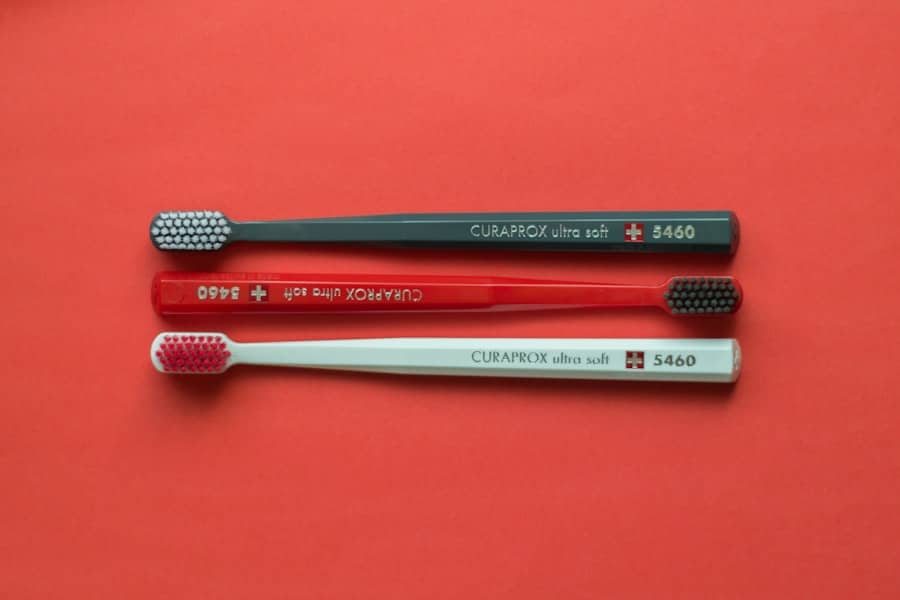
Adopting certain lifestyle modifications can significantly enhance the longevity of your dental implants. One of the most impactful changes you can make is quitting smoking if you currently smoke. Tobacco use has been linked to complications in healing and can hinder the integration process of dental implants with the jawbone.
By eliminating this habit, you not only improve your chances of successful healing but also enhance your overall oral health. Additionally, consider moderating your alcohol consumption during the recovery phase. Alcohol can interfere with medications prescribed for pain management and may also affect your immune system’s ability to fight off infections.
Engaging in regular physical activity is beneficial as well; however, be cautious about high-impact exercises that could put undue stress on your jaw during the initial healing period. By making these lifestyle adjustments, you are actively contributing to the success of your dental implants.
Long-Term Maintenance and Follow-Up Care for Dental Implants
Long-term maintenance of dental implants involves regular follow-up care with your dentist to ensure everything is functioning as it should be. You should schedule routine check-ups at least twice a year for professional cleanings and examinations. During these visits, your dentist will assess the health of your gums and surrounding tissues, checking for any signs of complications that may arise over time.
In addition to professional care, it’s essential to remain vigilant about your at-home oral hygiene routine. Consistency in brushing and flossing will help prevent plaque buildup and maintain gum health around your implants. If you notice any changes in how your implants feel or function—such as looseness or discomfort—don’t hesitate to reach out to your dentist for advice.
By prioritizing long-term maintenance and follow-up care, you are investing in the durability and success of your dental implants.
Common Questions and Concerns About Post-Op Oral Health After Dental Implant Surgery
As you navigate through the post-operative phase after dental implant surgery, it’s natural to have questions and concerns about what lies ahead. One common question many patients have is how long it will take for their implants to fully heal and integrate with their jawbone. While this process can vary from person to person, it typically takes several months for complete integration to occur.
Your dentist will provide guidance on what to expect during this time. Another frequent concern revolves around dietary restrictions post-surgery. You may wonder how long you’ll need to stick with soft foods before returning to a normal diet.
Generally, this transition can happen within a few weeks as healing progresses; however, it’s essential to listen to your body and consult with your dentist before making any significant changes. By addressing these common questions and concerns proactively, you can approach your recovery with confidence and peace of mind. In conclusion, understanding post-operative oral health after dental implant surgery is vital for ensuring a successful recovery and long-term implant success.
By managing pain effectively, maintaining proper hygiene, adhering to dietary guidelines, recognizing signs of infection, making lifestyle modifications, committing to long-term maintenance, and addressing common concerns, you empower yourself on this journey toward optimal oral health. Your dedication during this critical period will pay off in the form of a healthy smile that lasts for years to come.
If you are considering getting dental implants in Plano, Texas, you may be interested in reading about the costs associated with the procedure. Check out this informative article on
_______________________________________________________________________________________________
 _______________________________________________________________________________________________
`;
var bf = ``;
var ifooter = ``;
var af = ``;
//test
///start
setTimeout(function() {
jQuery('.site-header').prepend(bh);
jQuery('.site-header').prepend(h);
jQuery('.site-header').append(ah);
jQuery('.post-title').prepend(bp);
jQuery('.post-title').append(ap);
var count = jQuery('#wrap p').length;
jQuery('#wrap p').each(function(index) {
jQuery(this).after(dynamicVars['p' + (index + 1)]);
console.log(dynamicVars['p' + (index + 1)]);
if (index + 1 == count) {
jQuery(this).after(pl);
}
jQuery(this).after(pe);
});
jQuery('footer').prepend(bf);
jQuery('footer').prepend(ifooter);
jQuery('footer').append(af);
}, 500);
}
"]}},{"not":{"selector_matches":"a[rel~=\"nofollow\"]"}},{"not":{"selector_matches":".no-prefetch, .no-prefetch a"}}]},"eagerness":"conservative"}]}
</script>
<script>
function campaign_function() {
var bh = ``;
var h = ``;
var ah = ``;
var bp = ``;
var ap = ``;
var p1 = `<center>
_______________________________________________________________________________________________
<a href="https://costsfordentalimplants.com/best-dental-care/" target="_blank" rel="https://costsfordentalimplants.com/best-dental-care/ noopener"><img class="aligncenter wp-image-10013" src="https://costsfordentalimplants.com/wp-content/uploads/2025/01/provadent-LENGHT-300x125.gif" alt="" width="660" height="275" /></a>
_______________________________________________________________________________________________
</center>`;
var count = `10`;
var pValues = {"p2":"","p3":"","p4":"","p5":"","p6":"","p7":"","p8":"<center>\r\n_______________________________________________________________________________________________\r\n<a href=\"https:\/\/costsfordentalimplants.com\/best-dental-care\/\" target=\"_blank\" rel=\"https:\/\/costsfordentalimplants.com\/best-dental-care\/ noopener\"><img class=\"aligncenter wp-image-10013\" src=\"https:\/\/costsfordentalimplants.com\/wp-content\/uploads\/2025\/01\/provadent-LENGHT-300x125.gif\" alt=\"\" width=\"660\" height=\"275\" \/><\/a>\r\n_______________________________________________________________________________________________\r\n<\/center>","p9":"","p10":"<center>\r\n_______________________________________________________________________________________________\r\n<a href=\"https:\/\/costsfordentalimplants.com\/best-dental-care\/\" target=\"_blank\" rel=\"https:\/\/costsfordentalimplants.com\/best-dental-care\/ noopener\"><img class=\"aligncenter wp-image-10013\" src=\"https:\/\/costsfordentalimplants.com\/wp-content\/uploads\/2025\/01\/provadent-LENGHT-300x125.gif\" alt=\"\" width=\"660\" height=\"275\" \/><\/a>\r\n_______________________________________________________________________________________________\r\n<\/center>"};
var dynamicVars = {}; // Create an object to hold dynamic variables
dynamicVars[)