
After undergoing dental surgery, particularly procedures like dental implants, you may find yourself overwhelmed with information and care instructions. However, one of the most crucial aspects of your recovery is the post-operative oral health evaluation. This evaluation serves as a critical checkpoint in your healing journey, allowing your dentist to assess how well your mouth is responding to the surgery.
It’s not just about ensuring that the implants are settling in correctly; it’s also about monitoring your overall oral health and preventing potential complications. During this evaluation, your dentist will examine the surgical site for signs of infection, inflammation, or improper healing. They will also check the alignment and stability of the implants.
This step is vital because early detection of any issues can lead to more effective treatment and a smoother recovery process. By prioritizing this evaluation, you are taking an active role in your oral health, ensuring that you are on the right path to a successful outcome.
Key Takeaways
- Post-op oral health evaluation is crucial for monitoring the healing process and ensuring the success of dental implant surgery.
- Dental implants play a significant role in restoring oral health by replacing missing teeth and preserving bone structure.
- Key factors to consider in post-op oral health evaluation include assessing the stability of the implants, checking for signs of infection, and monitoring the patient’s overall oral hygiene.
- Common post-op complications such as infection, implant failure, and discomfort can be addressed through proper medication, rest, and follow-up care with the dentist.
- Regular follow-up visits with the dentist are essential for monitoring the long-term success of dental implants and addressing any potential issues.
The Role of Dental Implants in Oral Health
Dental implants play a transformative role in restoring not just your smile but also your overall oral health. When you lose a tooth, the surrounding bone can begin to deteriorate due to lack of stimulation. Implants act as artificial roots, providing the necessary support to maintain bone density and structure.
This is particularly important for preventing further dental issues down the line, such as shifting teeth or additional tooth loss. Moreover, dental implants can significantly enhance your quality of life. They allow you to eat, speak, and smile with confidence, eliminating the discomfort and embarrassment often associated with missing teeth.
The stability and functionality of implants can restore your ability to enjoy a varied diet, which is essential for maintaining good nutrition. By choosing dental implants, you are investing in a long-term solution that promotes both aesthetic appeal and functional health.
Key Factors to Consider in Post-Op Oral Health Evaluation

When you attend your post-op oral health evaluation, there are several key factors that your dentist will consider. One of the primary aspects is the healing process of the gum tissue around the implant site. Healthy gum tissue is essential for the success of dental implants, as it provides the necessary support and protection for the underlying bone.
Your dentist will look for signs of proper healing, such as reduced swelling and no signs of infection. Another important factor is your overall oral hygiene practices during the recovery period. Your commitment to maintaining good oral hygiene can significantly influence the success of your implants.
Your dentist may discuss your brushing and flossing techniques, as well as any additional products that could aid in your recovery. By being proactive about these factors, you can help ensure that your dental implants integrate successfully with your jawbone.
Common Post-Op Complications and How to Address Them
While many patients experience smooth recoveries after dental implant surgery, some may encounter complications that require attention. One common issue is infection at the implant site, which can manifest as increased pain, swelling, or discharge. If you notice any of these symptoms, it’s crucial to contact your dentist immediately.
Early intervention can often resolve infections before they lead to more serious problems. Another potential complication is implant failure, which can occur if the implant does not properly fuse with the jawbone. Factors such as smoking, poor oral hygiene, or underlying health conditions can contribute to this issue.
If you experience persistent discomfort or instability with your implant, don’t hesitate to reach out to your dentist for guidance. They may recommend additional treatments or adjustments to ensure that your dental implants remain secure and functional.
The Importance of Regular Follow-Up Visits with Your Dentist
Regular follow-up visits with your dentist are essential for monitoring the success of your dental implants and overall oral health. These appointments provide an opportunity for your dentist to assess how well your mouth is healing and to address any concerns you may have. Consistent check-ups allow for early detection of potential issues, which can save you time, money, and discomfort in the long run.
During these visits, your dentist will not only evaluate the condition of your implants but also provide guidance on maintaining optimal oral hygiene practices. They may recommend specific cleaning techniques or products tailored to your needs. By committing to these follow-up visits, you are taking an active role in safeguarding your investment in dental health and ensuring that your smile remains bright and healthy for years to come.
Tips for Maintaining Oral Hygiene After Dental Implant Surgery
Maintaining excellent oral hygiene after dental implant surgery is crucial for ensuring a successful recovery and long-term health. One of the first steps you should take is to follow any specific instructions provided by your dentist regarding cleaning techniques and products. Generally, gentle brushing with a soft-bristled toothbrush is recommended to avoid irritating the surgical site while still keeping bacteria at bay.
In addition to brushing, incorporating an antimicrobial mouthwash into your routine can help reduce plaque buildup and promote healing. Flossing around the implant area may require special tools or techniques; ask your dentist for recommendations on how to effectively clean between teeth without causing harm. By being diligent about your oral hygiene practices, you can significantly enhance the longevity and success of your dental implants.
Dietary Guidelines for Optimal Healing and Oral Health
Your diet plays a pivotal role in your recovery after dental implant surgery. In the initial days following the procedure, it’s advisable to stick to soft foods that require minimal chewing. Foods like yogurt, mashed potatoes, and smoothies can provide essential nutrients without putting undue stress on your healing gums.
Staying hydrated is equally important; drinking plenty of water helps maintain moisture in your mouth and supports overall healing. As you progress in your recovery, gradually reintroducing a wider variety of foods can help ensure that you receive balanced nutrition. However, it’s wise to avoid hard or crunchy foods that could disrupt the healing process or damage the implants.
Additionally, steering clear of sticky or sugary foods can help prevent complications such as infection or decay around the implant site. By following these dietary guidelines, you can support both your healing process and long-term oral health.
The Long-Term Benefits of Proper Post-Op Oral Health Evaluation
Investing time and effort into proper post-operative oral health evaluation yields significant long-term benefits for you and your smile. By ensuring that any potential issues are addressed promptly, you can avoid complications that might arise from neglecting follow-up care. This proactive approach not only enhances the longevity of your dental implants but also contributes to better overall oral health.
Furthermore, regular evaluations allow you to maintain a strong relationship with your dentist, who can provide personalized advice tailored to your unique needs. This ongoing partnership fosters a sense of accountability in maintaining good oral hygiene practices and encourages you to stay informed about advancements in dental care. Ultimately, prioritizing post-op evaluations sets the stage for a lifetime of healthy smiles and confidence in your oral health journey.
If you are considering getting dental implants, it is important to also be aware of the costs associated with the procedure. A helpful resource to learn more about the costs for dental implants in different locations is this article on costs for dental implants in St. Cloud, Florida. Understanding the financial aspect of dental implants can help you make an informed decision about your oral health.
FAQs
What are dental implants?
Dental implants are artificial tooth roots that are placed in the jaw to support a replacement tooth or bridge. They are a popular and effective long-term solution for people who have lost one or more teeth.
What is post-op oral health evaluation for dental implants?
Post-op oral health evaluation for dental implants is a comprehensive assessment of the patient’s oral health after the implant surgery. It includes evaluating the healing process, checking for any signs of infection or complications, and ensuring that the implants are properly integrated with the surrounding bone.
Why is post-op oral health evaluation important for dental implants?
Post-op oral health evaluation is important for dental implants to ensure the success of the implant surgery and the long-term health of the patient’s oral cavity. It allows the dentist to monitor the healing process, detect any issues early on, and provide appropriate care and guidance to the patient.
What does post-op oral health evaluation for dental implants involve?
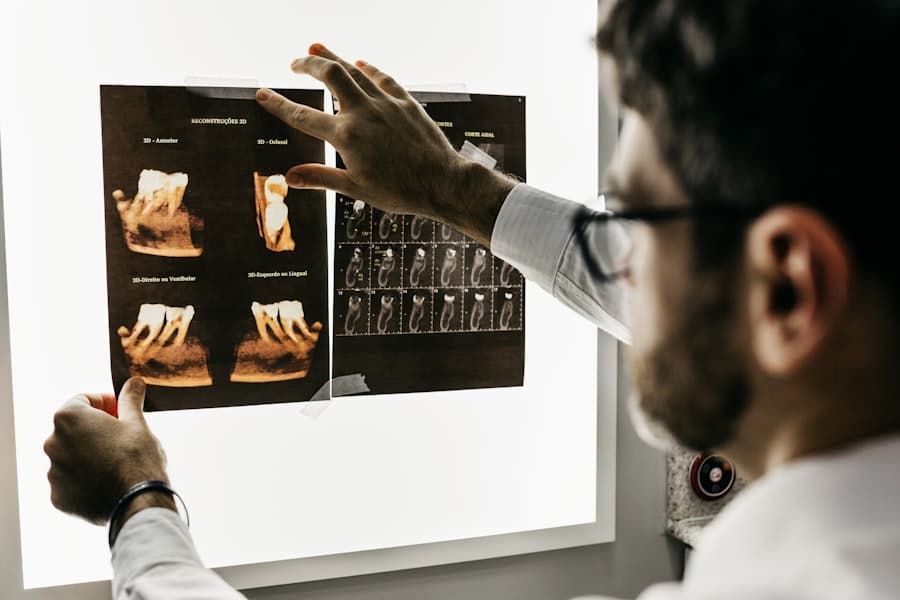
Post-op oral health evaluation for dental implants involves a thorough examination of the implant site, checking for any signs of infection or inflammation, assessing the stability of the implants, and taking X-rays to evaluate the bone structure and the integration of the implants.
How often should post-op oral health evaluation be done for dental implants?
The frequency of post-op oral health evaluation for dental implants may vary depending on the individual patient and the specific circumstances of the implant surgery. In general, regular follow-up appointments are recommended in the first few months after the surgery, and then on an annual basis thereafter.
What are the potential complications of dental implants that may be detected during post-op oral health evaluation?
Potential complications of dental implants that may be detected during post-op oral health evaluation include infection, implant failure, bone loss, peri-implantitis (inflammation around the implant), and issues with the surrounding teeth or gums. Early detection and intervention can help prevent these complications from progressing.