
After undergoing dental implant surgery, you may find yourself in a whirlwind of emotions, from relief to anxiety about the healing process. It’s crucial to recognize that maintaining your oral health during this recovery phase is paramount. The success of your dental implants largely hinges on how well you care for your mouth post-surgery.
This period is not just about allowing your body to heal; it’s also about creating an environment conducive to the integration of the implants with your jawbone, a process known as osseointegration. By prioritizing your oral health, you can significantly enhance the longevity and functionality of your implants. Moreover, understanding the importance of post-operative oral health extends beyond just the implants themselves.
Your overall well-being can be affected by how well you manage your oral hygiene during recovery. Neglecting proper care can lead to complications such as infections or implant failure, which can be both painful and costly. Therefore, it’s essential to stay informed and proactive about your oral health practices in the days and weeks following your surgery.
This commitment will not only help you achieve a successful outcome but also contribute to your confidence and comfort in your new smile.
Key Takeaways
- Proper post-op oral health is crucial for the success of dental implant surgery
- Regular maintenance and care of dental implants is essential for long-term success
- Managing discomfort and pain after dental implant surgery is important for recovery
- Following dietary guidelines can aid in the healing process after dental implant surgery
- Good oral hygiene practices are key to long-term success of dental implants
Proper Care and Maintenance of Dental Implants
Once your dental implants are placed, the responsibility for their care shifts to you. Proper maintenance is vital for ensuring that your implants remain healthy and functional for years to come. This begins with adhering to the post-operative instructions provided by your dentist or oral surgeon.
These guidelines are tailored to your specific situation and will often include recommendations for pain management, dietary restrictions, and oral hygiene practices. Following these instructions diligently will set the foundation for a successful recovery. In addition to following post-operative care instructions, you should also establish a routine that includes regular brushing and flossing.
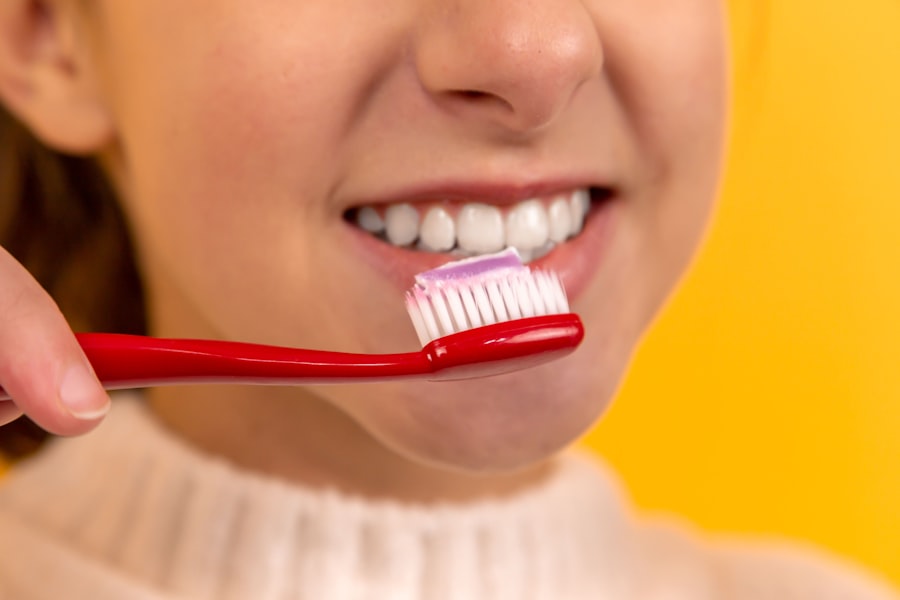
While dental implants are resistant to decay, the surrounding gum tissue can still be susceptible to infection if not properly cared for. Using a soft-bristled toothbrush and non-abrasive toothpaste will help you clean around the implant site without causing irritation. Flossing is equally important; consider using specialized floss or interdental brushes designed for cleaning around implants.
By incorporating these practices into your daily routine, you can ensure that your dental implants remain in optimal condition.
Managing Discomfort and Pain After Dental Implant Surgery

Experiencing discomfort after dental implant surgery is entirely normal, but managing that pain effectively is crucial for a smooth recovery. Your dentist will likely prescribe pain medication or recommend over-the-counter options to help alleviate any discomfort you may feel in the days following the procedure. It’s important to take these medications as directed and not to wait until the pain becomes unbearable before addressing it.
Staying ahead of the pain can significantly improve your overall experience during recovery. In addition to medication, there are several home remedies you can employ to manage discomfort. Applying a cold compress to the outside of your cheek can help reduce swelling and numb the area, providing temporary relief.
You might also find that elevating your head while resting can minimize swelling and promote better blood circulation. Listening to your body is key; if you notice that certain activities exacerbate your discomfort, it’s wise to avoid them until you feel more comfortable. By taking proactive steps to manage pain, you can focus on healing and enjoying the benefits of your new dental implants.
Dietary Guidelines for Post-Op Dental Implant Patients
Your diet plays a significant role in your recovery after dental implant surgery. In the initial days following the procedure, it’s advisable to stick to soft foods that require minimal chewing. Foods like yogurt, mashed potatoes, smoothies, and soups can provide essential nutrients without putting undue stress on your healing gums and implants.
Staying hydrated is equally important; drinking plenty of water will help keep your mouth moist and support overall healing. As you progress in your recovery, you can gradually reintroduce more solid foods into your diet. However, it’s essential to remain cautious and avoid hard or crunchy items that could potentially damage your implants or irritate the surgical site.
Chewing on ice or hard candies should be avoided altogether during this period. Instead, focus on incorporating nutrient-rich foods that promote healing, such as leafy greens, lean proteins, and whole grains. By being mindful of what you eat, you can support your body’s healing process while enjoying a varied diet.
Oral Hygiene Practices for Long-Term Dental Implant Success
Establishing a robust oral hygiene routine is vital for ensuring the long-term success of your dental implants. While implants are designed to be durable, they still require diligent care to prevent complications such as peri-implantitis, an inflammatory condition affecting the tissues surrounding the implant. To maintain optimal oral health, you should brush at least twice a day with a soft-bristled toothbrush and fluoride toothpaste.
Pay special attention to the areas around the implants, as these spots can be prone to plaque buildup. Flossing is another critical component of your oral hygiene routine. Regular flossing helps remove food particles and plaque from between teeth and around implants where a toothbrush may not reach effectively.
You might consider using a water flosser or interdental brushes specifically designed for cleaning around dental implants. These tools can make it easier to maintain cleanliness without causing irritation to sensitive gums. By committing to these practices, you’ll not only protect your dental implants but also enhance your overall oral health.
Recognizing Signs of Complications and When to Seek Professional Help
While most dental implant surgeries go smoothly, it’s essential to be aware of potential complications that may arise during recovery. Signs such as persistent swelling, severe pain that doesn’t improve with medication, or unusual discharge from the surgical site should not be ignored. These symptoms could indicate an infection or other issues that require immediate attention from your dentist or oral surgeon.
Being vigilant about these signs can help you address problems early on and prevent further complications. Additionally, if you notice any changes in the stability of your implant—such as looseness or movement—it’s crucial to seek professional help right away. Early intervention can often resolve issues before they escalate into more significant problems that could jeopardize the success of your implants.
Trusting your instincts and being proactive about any concerns will empower you during this recovery phase and ensure that you achieve the best possible outcome.
Lifestyle Adjustments to Support Dental Implant Recovery
Your lifestyle choices can significantly impact your recovery after dental implant surgery. One of the most important adjustments you can make is to avoid smoking and tobacco use during this period. Smoking not only hinders healing but also increases the risk of complications such as infection and implant failure.
If you’re a smoker, consider using this time as an opportunity to quit altogether; doing so will benefit both your oral health and overall well-being. In addition to avoiding harmful substances, incorporating gentle physical activity into your routine can also support recovery. While it’s essential to avoid strenuous exercise immediately after surgery, light activities such as walking can promote circulation and aid in healing.
Furthermore, managing stress through relaxation techniques like meditation or yoga can enhance your body’s ability to recover effectively. By making these lifestyle adjustments, you’ll create a supportive environment for healing while setting yourself up for long-term success with your dental implants.
Follow-Up Care and Regular Dental Check-Ups for Dental Implant Patients
After completing your dental implant surgery, follow-up care becomes an integral part of ensuring the longevity of your new smile. Your dentist will schedule regular check-ups to monitor the healing process and assess the stability of your implants. These appointments are crucial for identifying any potential issues early on and ensuring that everything is progressing as expected.
During these visits, don’t hesitate to voice any concerns or questions you may have; open communication with your dental team is key. In addition to scheduled check-ups, maintaining a consistent oral hygiene routine at home is essential for long-term success with dental implants. Regularly brushing, flossing, and using mouthwash will help keep plaque at bay and protect both your implants and surrounding teeth from decay or infection.
By committing to follow-up care and prioritizing regular dental visits, you’ll be taking proactive steps toward preserving the health and functionality of your dental implants for years to come.
If you are considering getting dental implants in Murray, Utah, South Jordan, Utah, or Palatine, Illinois, it is important to be aware of the costs involved. Understanding the costs associated with dental implants can help you make an informed decision about your oral health care. For more information on the costs of dental implants in these areas, check out this article on Costs for Dental Implants in South Jordan, Utah, and Costs for Dental Implants in Palatine, Illinois. Remember, post-op oral health enforcement is crucial for the success of your dental implants, so be sure to follow the comprehensive guide provided.
FAQs
What are dental implants?
Dental implants are artificial tooth roots that are placed in the jaw to support a replacement tooth or bridge. They are a popular and effective long-term solution for people who have lost teeth due to periodontal disease, injury, or other reasons.
How long does it take to recover from dental implant surgery?
Recovery time from dental implant surgery can vary from person to person, but it generally takes about 6-8 months for the implant to fully integrate with the jawbone. During this time, patients may experience some discomfort and swelling, but it can be managed with pain medication and proper oral care.
What are the post-operative oral care instructions for dental implants?
After dental implant surgery, it is important to follow the post-operative oral care instructions provided by the dentist. This may include gentle brushing and flossing, using an antimicrobial mouthwash, and avoiding hard or sticky foods. It is also important to attend follow-up appointments to ensure proper healing.
What are the potential complications of dental implant surgery?
While dental implant surgery is generally safe, there are potential complications that can arise, such as infection, nerve damage, or implant failure. It is important to discuss any concerns with the dentist and follow their recommendations for post-operative care to minimize the risk of complications.
How can I maintain oral health after getting dental implants?
Maintaining oral health after getting dental implants is crucial for the long-term success of the implants. This includes practicing good oral hygiene, attending regular dental check-ups, and avoiding habits that can damage the implants, such as smoking or chewing on hard objects.