
After undergoing dental implant surgery, you may find yourself overwhelmed with information and instructions. It’s crucial to understand that post-operative oral health education plays a vital role in your recovery and the long-term success of your implants. This education equips you with the knowledge necessary to care for your new dental fixtures, ensuring they integrate well with your jawbone and surrounding tissues.
By grasping the importance of this education, you can take proactive steps to avoid complications and promote healing. You should be aware that the first few days following your surgery are critical. During this time, your body is working hard to heal, and the way you care for your mouth can significantly impact the outcome.
Your dental professional will likely provide you with specific guidelines tailored to your situation, including how to manage pain, maintain hygiene, and recognize potential issues. By actively engaging in this educational process, you empower yourself to make informed decisions about your oral health, ultimately leading to a smoother recovery and a successful dental implant experience.
Key Takeaways
- Post-op oral health education is crucial for successful recovery after dental implant surgery
- Proper pain management is essential for a comfortable recovery process
- Maintaining good oral hygiene is key to preventing complications around dental implants
- Following dietary restrictions and recommendations can aid in the healing process
- Recognizing signs of complications and seeking help promptly is important for a successful recovery
Managing Pain and Discomfort After Dental Implant Surgery
Pain management is a significant aspect of your recovery after dental implant surgery. You may experience varying levels of discomfort, which can be influenced by factors such as the complexity of the procedure and your individual pain tolerance. Your dentist will likely prescribe pain relief medications or recommend over-the-counter options to help you manage any discomfort.
It’s essential to follow their instructions carefully, taking medications as directed to ensure you remain as comfortable as possible during the healing process. In addition to medication, there are several strategies you can employ to alleviate pain and discomfort. Applying a cold compress to the outside of your cheek can help reduce swelling and numb the area, providing relief from pain.
You might also find that resting and avoiding strenuous activities can contribute to a more comfortable recovery. Listening to your body is key; if you feel that something isn’t right or if your pain escalates beyond what is manageable, don’t hesitate to reach out to your dental professional for guidance.
Maintaining Proper Oral Hygiene Around Dental Implants
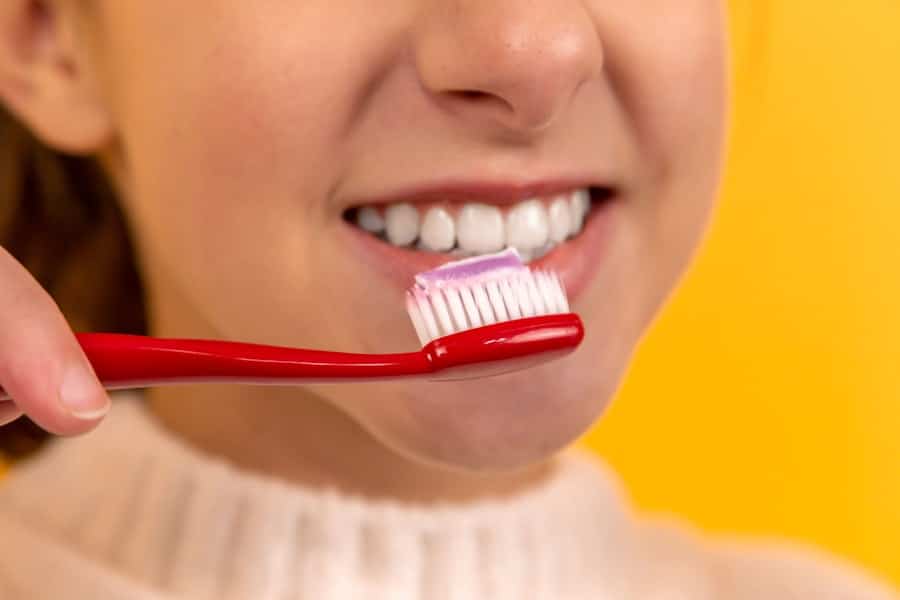
Maintaining proper oral hygiene is paramount for the longevity of your dental implants. After surgery, you may be concerned about how to clean the area without causing harm. It’s important to follow the specific instructions provided by your dentist regarding when and how to resume brushing and flossing.
Generally, you will be advised to avoid the surgical site for a few days, allowing it time to heal before reintroducing your regular oral hygiene routine. Once you receive the go-ahead, using a soft-bristled toothbrush can help you clean around the implant without causing irritation. You may also want to consider using an antimicrobial mouthwash to help keep bacteria at bay.
Flossing around implants is equally important; however, you should use a gentle touch and consider specialized floss or interdental brushes designed for this purpose. By prioritizing oral hygiene, you not only protect your implants but also contribute to your overall oral health.
Understanding Dietary Restrictions and Recommendations
Your diet plays a crucial role in your recovery after dental implant surgery. In the initial days following the procedure, you may be advised to stick to soft foods that require minimal chewing. Foods like yogurt, smoothies, mashed potatoes, and soups can provide essential nutrients while being gentle on your healing gums.
It’s important to stay hydrated as well; drinking plenty of water will aid in your recovery and help flush out any bacteria that could lead to infection. As you progress in your healing journey, you can gradually reintroduce more solid foods into your diet. However, it’s wise to avoid hard or crunchy items that could put undue stress on your implants during the early stages of healing.
Additionally, steering clear of sticky or chewy foods can prevent complications such as dislodging the implant or causing discomfort. By being mindful of your dietary choices, you can support your body’s healing process and ensure a successful integration of your dental implants.
Recognizing Signs of Complications and When to Seek Help
While most dental implant surgeries go smoothly, it’s essential for you to be aware of potential complications that could arise during your recovery. Common signs of issues include excessive swelling, prolonged bleeding, or severe pain that doesn’t respond to medication. If you notice any unusual symptoms or if something feels off, it’s crucial to contact your dental professional immediately.
Early intervention can often prevent more serious problems down the line. In addition to physical symptoms, pay attention to any changes in your overall health during recovery. If you develop a fever or experience chills, these could be signs of an infection that requires prompt medical attention.
Trusting your instincts is vital; if you feel that something isn’t right, don’t hesitate to reach out for help. Your dental team is there to support you through this process and can provide guidance on how best to address any concerns.
Managing Swelling and Bruising After Dental Implant Surgery

Minimizing Swelling
Typically, swelling peaks within the first 48 hours post-surgery and then begins to subside. To minimize swelling, applying ice packs intermittently during the first day can be beneficial. Remember to wrap the ice pack in a cloth to protect your skin from frostbite.
Bruising and Elevation
As swelling decreases, bruising may become more apparent but usually resolves within a week or two. Elevating your head while resting can also help reduce swelling by promoting better blood circulation.
When to Seek Further Evaluation
If you find that swelling persists beyond a few days or worsens instead of improving, it’s essential to consult with your dentist for further evaluation. They can determine whether additional treatment is necessary or if there are underlying issues that need addressing.
Long-Term Care and Maintenance of Dental Implants
Once you’ve successfully navigated the initial recovery phase after dental implant surgery, long-term care becomes essential for maintaining the health and functionality of your implants. Regular dental check-ups are crucial; these visits allow your dentist to monitor the condition of your implants and surrounding tissues while providing professional cleanings that help prevent plaque buildup. You should aim for biannual visits unless otherwise advised by your dental professional.
In addition to professional care, maintaining a diligent at-home oral hygiene routine is vital for long-term success. Brushing twice daily with fluoride toothpaste and flossing regularly will help keep both natural teeth and implants healthy. You might also consider using specialized cleaning tools designed for implants, such as soft picks or water flossers, which can effectively clean hard-to-reach areas without damaging the implant structure.
By committing to these practices, you can enjoy the benefits of your dental implants for many years.
Tips for a Smooth Recovery Process After Dental Implant Surgery
To ensure a smooth recovery process after dental implant surgery, there are several practical tips you can follow. First and foremost, adhere strictly to the post-operative instructions provided by your dentist. These guidelines are tailored specifically for you and are designed to promote healing while minimizing complications.
Keeping track of medications and follow-up appointments will also help keep your recovery on track. Additionally, consider enlisting support from family or friends during this time. Having someone available to assist with daily tasks or accompany you to appointments can alleviate stress and allow you to focus on healing.
Lastly, practice patience; recovery takes time, and it’s essential not to rush back into normal activities too soon. By taking these steps and prioritizing self-care, you’ll set yourself up for a successful recovery journey after dental implant surgery.
If you are considering getting dental implants in Joplin, Missouri, Blaine, Minnesota, or Hattiesburg, Mississippi, it is important to be informed about the costs involved. Check out this informative article on Costs for Dental Implants in Joplin, Missouri to learn more about the financial aspects of this procedure. In addition to understanding the costs, it is crucial to educate yourself on post-op oral health care to ensure the success of your dental implants. For a comprehensive guide on post-op oral health education, be sure to read our article on Dental Implants.
FAQs
What are dental implants?
Dental implants are artificial tooth roots that are surgically placed into the jawbone to support a replacement tooth or bridge.
How long do dental implants last?
With proper care and maintenance, dental implants can last a lifetime.
What are the benefits of dental implants?
Dental implants look and feel like natural teeth, improve oral health, and restore proper chewing and speaking abilities.
What is the post-operative care for dental implants?
Post-operative care for dental implants includes maintaining good oral hygiene, avoiding hard or sticky foods, and attending regular dental check-ups.
What are the potential risks and complications of dental implants?
Potential risks and complications of dental implants include infection, nerve damage, and implant failure. It is important to discuss these risks with a dental professional before undergoing the procedure.
Can anyone get dental implants?
Not everyone is a suitable candidate for dental implants. Factors such as overall health, jawbone density, and oral hygiene habits may affect eligibility for the procedure.