
After undergoing dental implant surgery, you may find yourself navigating a complex healing process that requires patience and care. The initial phase of healing typically begins immediately after the procedure, during which your body starts to repair the surgical site. This phase is crucial as it sets the foundation for the success of your dental implants.
You might experience swelling, bruising, or mild discomfort, all of which are normal responses to surgery. Understanding these reactions can help you manage your expectations and prepare for the days ahead. As the days progress, your body will continue to heal, and you may notice changes in how you feel.
The first week is often marked by the most significant discomfort, but this should gradually subside. During this time, it’s essential to follow your dentist’s post-operative instructions closely. This includes taking prescribed medications, applying ice packs to reduce swelling, and resting as much as possible.
By being attentive to your body’s signals and adhering to your dentist’s guidelines, you can facilitate a smoother recovery process.
Key Takeaways
- Post-op healing process involves swelling, bruising, and discomfort, which can be managed with proper care and medication.
- Maintaining oral hygiene after dental implant surgery is crucial to prevent infection and promote healing.
- Dietary considerations for optimal healing include avoiding hard and sticky foods and increasing intake of protein and vitamins.
- Managing discomfort and pain can be done with prescribed pain medication and by following post-operative care instructions.
- Potential complications such as infection or implant failure should be addressed promptly by seeking professional help.
Maintaining Oral Hygiene After Dental Implant Surgery
Maintaining oral hygiene after dental implant surgery is paramount for ensuring a successful healing process. While it may be tempting to avoid brushing or flossing around the surgical site due to discomfort, neglecting your oral hygiene can lead to complications such as infection or implant failure. You should gently clean your mouth using a soft-bristled toothbrush and avoid the surgical area for the first few days.
This cautious approach allows the tissues to heal while still promoting cleanliness in your mouth. As you progress in your recovery, you can gradually reintroduce your regular oral hygiene routine. It’s advisable to use an antibacterial mouthwash to help keep the area clean without causing irritation.
Additionally, consider using a water flosser or an interdental brush to navigate around the implant site more effectively. By prioritizing oral hygiene during this critical period, you not only support your healing but also set the stage for long-term success with your dental implants.
Dietary Considerations for Optimal Healing

Your diet plays a significant role in the healing process following dental implant surgery. In the initial days post-surgery, you should focus on consuming soft foods that require minimal chewing. Foods like yogurt, mashed potatoes, smoothies, and soups can provide essential nutrients while being gentle on your healing gums.
Staying hydrated is equally important; drinking plenty of water can help flush out toxins and support overall recovery. As you begin to feel more comfortable, you can gradually introduce more solid foods into your diet. However, it’s wise to avoid hard, crunchy, or sticky items that could disrupt the healing process or put undue stress on your implants.
Incorporating nutrient-rich foods such as leafy greens, lean proteins, and healthy fats can further enhance your recovery by providing your body with the vitamins and minerals it needs to heal effectively.
Managing Discomfort and Pain
Experiencing discomfort and pain after dental implant surgery is common, but there are several strategies you can employ to manage these sensations effectively. Your dentist will likely prescribe pain medication to help alleviate any discomfort during the initial recovery phase. It’s essential to take these medications as directed and not wait until the pain becomes unbearable.
Additionally, over-the-counter pain relievers can be beneficial if prescribed medications are insufficient. Beyond medication, there are other methods you can use to manage pain and discomfort. Applying ice packs to the outside of your jaw can help reduce swelling and numb the area, providing relief from pain.
You might also find that resting in a comfortable position with your head elevated can minimize pressure on the surgical site. Listening to your body and responding promptly to discomfort will aid in a more comfortable recovery experience.
Potential Complications and How to Address Them
While dental implant surgery is generally safe and effective, it’s essential to be aware of potential complications that may arise during the healing process. One common issue is infection at the surgical site, which can manifest as increased swelling, redness, or discharge. If you notice any of these symptoms, it’s crucial to contact your dentist immediately for evaluation and treatment.
Early intervention can prevent further complications and ensure that your implants remain secure. Another potential complication is implant failure, which can occur if the implant does not properly integrate with the jawbone. Factors such as smoking, poor oral hygiene, or underlying health conditions can contribute to this issue.
If you experience persistent pain or instability in the implant area, reach out to your dentist for guidance. They may recommend additional treatments or adjustments to support successful integration and long-term stability.
Long-Term Care and Maintenance of Dental Implants
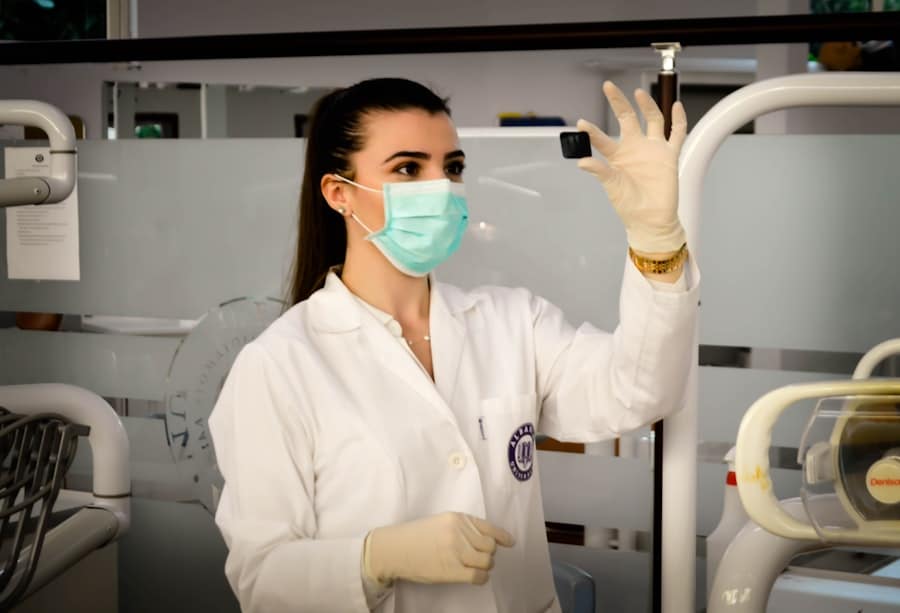
Once you have successfully healed from dental implant surgery, long-term care becomes essential for maintaining the health and longevity of your implants. Regular dental check-ups are vital; these appointments allow your dentist to monitor the condition of your implants and surrounding tissues. During these visits, professional cleanings will help remove plaque and tartar buildup that could compromise your oral health.
In addition to professional care, establishing a diligent at-home oral hygiene routine is crucial for long-term success. Brushing twice a day with fluoride toothpaste and flossing daily will help keep your mouth healthy and free from bacteria that could lead to complications. You might also consider using specialized cleaning tools designed for dental implants to ensure thorough cleaning around the implant sites.
Lifestyle Changes for Oral Health Diversification
To support optimal oral health beyond just caring for your dental implants, consider making lifestyle changes that promote overall well-being. Quitting smoking is one of the most significant steps you can take; smoking not only hinders healing but also increases the risk of gum disease and implant failure. If you currently smoke, seek resources or support groups that can assist you in quitting.
Incorporating regular exercise into your routine can also benefit your oral health indirectly by improving circulation and reducing stress levels. Stress management techniques such as yoga or meditation can further enhance your overall health and well-being. By adopting a holistic approach to your lifestyle choices, you can create an environment that supports both your dental implants and your overall health.
Follow-Up Appointments and Monitoring Progress
Follow-up appointments are an integral part of ensuring the success of your dental implants and monitoring your healing progress. Your dentist will schedule these visits at regular intervals following your surgery to assess how well you are healing and whether any adjustments are needed. During these appointments, be prepared to discuss any concerns or symptoms you may have experienced since your surgery.
These follow-up visits also provide an opportunity for professional cleanings and assessments of your oral hygiene routine. Your dentist may offer personalized recommendations based on their observations during these appointments, helping you maintain optimal oral health in the long run. By staying committed to these follow-ups and actively participating in your oral care journey, you can significantly enhance the longevity and success of your dental implants.
If you are considering getting dental implants, it is important to also consider the costs associated with the procedure. A related article on Costs for Dental Implants in Plantation, Florida provides valuable information on the expenses you may incur. Understanding the financial aspect of dental implants can help you make an informed decision about your oral health diversification post-op.
FAQs
What are dental implants?
Dental implants are artificial tooth roots that are surgically placed into the jawbone to support a replacement tooth or bridge. They provide a strong foundation for fixed or removable replacement teeth.
How long does it take to recover from dental implant surgery?
Recovery time from dental implant surgery can vary, but it typically takes about 6-8 months for the implant to fully integrate with the jawbone. Patients may experience some discomfort and swelling for a few days after the surgery, but this can be managed with pain medication and proper oral care.
What are the benefits of dental implants?
Dental implants offer several benefits, including improved appearance, better speech, enhanced comfort, easier eating, and improved oral health. They are also durable and can last a lifetime with proper care.
What is post-op oral health diversification for dental implants?
Post-op oral health diversification for dental implants refers to the various oral care practices and habits that are necessary to maintain the health and longevity of dental implants after the surgery. This includes proper oral hygiene, regular dental check-ups, and avoiding habits that can damage the implants.
What are some tips for maintaining oral health after getting dental implants?
Some tips for maintaining oral health after getting dental implants include brushing and flossing regularly, using an antimicrobial mouthwash, avoiding hard or sticky foods, quitting smoking, and visiting the dentist for regular check-ups and cleanings.