
After undergoing dental implant surgery, you may find yourself in a whirlwind of emotions and concerns. It’s essential to recognize that the journey doesn’t end with the procedure; in fact, it’s just the beginning. Post-operative oral health development is crucial for ensuring the longevity and success of your dental implants.
The healing process requires your active participation, as your choices and habits can significantly influence the outcome. By understanding the importance of this phase, you can take proactive steps to safeguard your investment in your oral health. Your body needs time to heal after surgery, and this healing process is intricately linked to your oral hygiene practices and overall health.
Neglecting post-operative care can lead to complications such as infections or implant failure. Therefore, it’s vital to prioritize your oral health during this period. By doing so, you not only enhance the chances of a successful recovery but also set the stage for a healthier mouth in the long run.
Embracing this responsibility can empower you to take control of your healing journey.
Key Takeaways
- Proper post-op oral health development is crucial for the success of dental implant surgery.
- Managing pain and discomfort after surgery is important for a smooth recovery process.
- Maintaining proper oral hygiene is essential to promote healing and prevent complications.
- Following dietary guidelines can aid in optimal healing and recovery after dental implant surgery.
- Regular dental check-ups and cleanings are important for long-term oral health and implant success.
Managing Pain and Discomfort After Dental Implant Surgery
Over-the-Counter Pain Relievers
Experiencing pain and discomfort after dental implant surgery is a common occurrence, but it’s important to manage these sensations effectively. You may find that over-the-counter pain relievers, as recommended by your dentist, can help alleviate some of the discomfort. However, it’s crucial to follow the prescribed dosage and not exceed it, as doing so can lead to unwanted side effects.
Additional Relief Methods
Additionally, applying a cold compress to the outside of your cheek can provide relief by reducing swelling and numbing the area. Listening to your body is key during this recovery phase. If you find that the pain persists or intensifies despite following your dentist’s recommendations, don’t hesitate to reach out for further guidance.
Seeking Further Guidance
Your dental professional can assess your situation and may prescribe stronger pain medication if necessary. Remember, managing pain effectively not only enhances your comfort but also allows you to focus on other aspects of your recovery, such as maintaining proper oral hygiene and adhering to dietary guidelines.
Maintaining Proper Oral Hygiene to Promote Healing
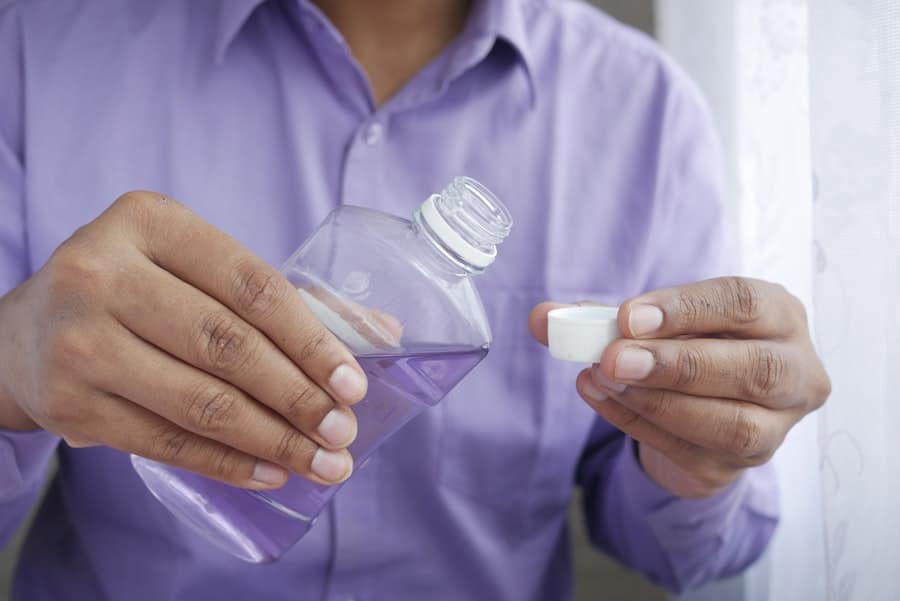
Maintaining proper oral hygiene after dental implant surgery is paramount for promoting healing and preventing complications. You might feel hesitant to brush or floss around the surgical site initially, but it’s essential to keep the area clean. Your dentist will likely provide specific instructions on how to care for your mouth during this time.
Gentle brushing with a soft-bristled toothbrush and avoiding the surgical site initially can help prevent irritation while still maintaining cleanliness. In addition to brushing, rinsing with an antimicrobial mouthwash can be beneficial in reducing bacteria in your mouth. This step is particularly important in the days following surgery when your mouth is more susceptible to infection.
You may also want to consider using a water flosser, which can help clean around the implant without causing trauma to the healing tissue. By prioritizing oral hygiene, you are actively contributing to a smoother recovery process and increasing the likelihood of successful implant integration.
Dietary Guidelines for Optimal Healing and Recovery
Your diet plays a significant role in your recovery after dental implant surgery. In the initial days following the procedure, you may want to stick to soft foods that require minimal chewing. Foods like yogurt, mashed potatoes, smoothies, and soups can provide essential nutrients while being gentle on your healing gums.
Staying hydrated is equally important; drinking plenty of water will help flush out toxins and keep your body functioning optimally. As you progress in your recovery, gradually reintroducing solid foods is essential, but be mindful of what you choose. Avoid hard, crunchy, or sticky foods that could disrupt the healing process or damage the implant site.
Incorporating nutrient-rich foods such as fruits, vegetables, lean proteins, and whole grains will support your body’s healing mechanisms. By adhering to these dietary guidelines, you are not only promoting optimal healing but also setting yourself up for long-term oral health success.
Recognizing and Managing Potential Complications After Dental Implant Surgery
While most dental implant surgeries go smoothly, it’s crucial for you to be aware of potential complications that may arise during the recovery process. Signs of infection, such as increased swelling, persistent pain, or discharge from the surgical site, should not be ignored. If you notice any of these symptoms, it’s vital to contact your dentist immediately for evaluation and treatment.
Early intervention can prevent more severe issues from developing. Another complication to watch for is implant failure, which can occur if the implant does not properly integrate with the bone. Factors such as smoking, poor oral hygiene, or underlying health conditions can contribute to this risk.
Being proactive about your oral health and following post-operative care instructions can significantly reduce these risks. By staying vigilant and communicating openly with your dental team, you can navigate any challenges that arise during your recovery.
Incorporating Regular Dental Check-Ups and Cleanings into Your Post-Op Oral Health Routine

Once you’ve completed your initial recovery from dental implant surgery, incorporating regular dental check-ups and cleanings into your routine becomes essential for maintaining optimal oral health. These visits allow your dentist to monitor the health of your implants and surrounding tissues, ensuring everything is functioning as it should be. Regular check-ups also provide an opportunity for professional cleanings that can remove plaque and tartar buildup that may be difficult to manage at home.
During these appointments, don’t hesitate to discuss any concerns or questions you may have about your implants or overall oral health. Your dentist can offer personalized advice tailored to your specific needs and circumstances. By committing to a schedule of regular visits, you are taking an active role in preserving your dental investment and ensuring that your smile remains healthy for years to come.
Lifestyle Modifications for Long-Term Oral Health and Implant Success
To ensure the long-term success of your dental implants, consider making lifestyle modifications that promote overall oral health. One significant change could be quitting smoking if you are a smoker; tobacco use has been linked to higher rates of implant failure and complications. By eliminating this habit, you not only improve your chances of successful healing but also enhance your overall well-being.
Additionally, adopting a balanced diet rich in vitamins and minerals will support both your oral health and general health. Regular exercise can also play a role in maintaining good circulation and promoting healing throughout your body. By making these lifestyle changes, you are investing in not just the success of your dental implants but also in a healthier future.
The Role of Patient Education and Communication in Post-Op Oral Health Development
Finally, patient education and communication are vital components of post-operative oral health development. Understanding what to expect during recovery empowers you to take charge of your healing process effectively. Your dentist should provide clear instructions regarding post-operative care, including pain management strategies, dietary recommendations, and signs of complications to watch for.
Open communication with your dental team is equally important; don’t hesitate to ask questions or express concerns about any aspect of your recovery. This dialogue fosters a collaborative relationship that can enhance your overall experience and outcomes. By being informed and engaged in your post-op care, you are setting yourself up for success in maintaining both your dental implants and overall oral health for years to come.
If you are considering getting dental implants in San Jose, California, Shawnee, Kansas, or Sheboygan, Wisconsin, it is important to understand the costs involved. A related article on Costs for Dental Implants in San Jose, California provides valuable information on the expenses associated with this procedure in these specific locations. Understanding the financial aspect of dental implants can help you make an informed decision about your oral health development post-operation.
FAQs
What are dental implants?
Dental implants are artificial tooth roots that are surgically placed into the jawbone to support a replacement tooth or bridge.
How long does it take to recover from dental implant surgery?
Recovery time from dental implant surgery can vary, but it typically takes about 6-8 months for the implant to fully integrate with the jawbone.
What are the benefits of dental implants?
Dental implants can improve oral health, restore proper chewing and speech, prevent bone loss, and provide a natural-looking and durable solution for missing teeth.
What are the potential risks and complications of dental implant surgery?
Potential risks and complications of dental implant surgery include infection, nerve damage, implant failure, and sinus problems for implants placed in the upper jaw.
How should I care for my dental implants after surgery?
After dental implant surgery, it’s important to practice good oral hygiene, avoid hard or sticky foods, attend regular dental check-ups, and follow any specific post-operative care instructions provided by your dentist.
Can anyone get dental implants?
Not everyone is a suitable candidate for dental implants. Factors such as overall health, jawbone density, and oral hygiene habits can affect eligibility for dental implant surgery.