
After undergoing dental implant surgery, you may find yourself in a whirlwind of emotions, from relief to anxiety about the healing process. It’s crucial to recognize that maintaining your oral health during this recovery period is paramount for the success of your implants. The mouth is a complex environment, and the healing tissues require special care to ensure that the implants integrate properly with your jawbone.
Neglecting your oral hygiene can lead to complications such as infections or implant failure, which can be both painful and costly. Moreover, understanding the importance of post-operative oral health extends beyond just the immediate aftermath of surgery. The habits you establish during this time can set the tone for your long-term dental health.
By prioritizing your oral hygiene and following your dentist’s recommendations, you are not only safeguarding your investment in dental implants but also enhancing your overall well-being. A healthy mouth contributes to better nutrition, improved self-esteem, and a more vibrant quality of life.
Key Takeaways
- Good post-op oral health is crucial for the success of dental implants
- Proper oral hygiene practices are essential for maintaining dental implants
- Following dietary guidelines can aid in post-op oral health and healing
- Effective management of discomfort and pain is important after dental implant surgery
- Recognizing signs of complications and seeking help promptly is vital for dental implant success
Oral Hygiene Practices for Dental Implants
Once your dental implants are placed, you may wonder how to care for them effectively. The first step in maintaining oral hygiene is to follow the specific instructions provided by your dentist. Typically, you will be advised to wait a short period before resuming regular brushing and flossing.
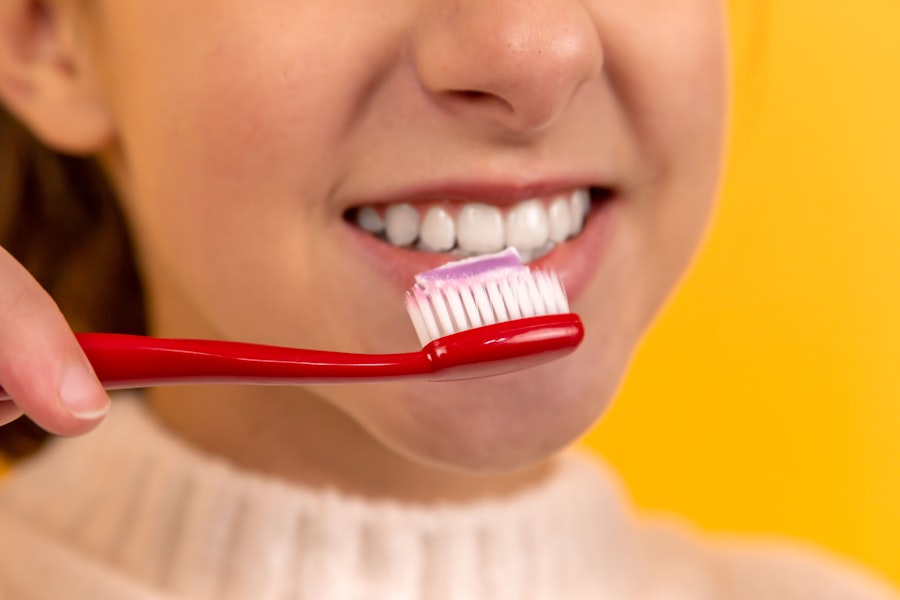
During this initial healing phase, gentle cleaning is essential to avoid disturbing the surgical site while still keeping bacteria at bay. Using a soft-bristled toothbrush can make a significant difference in your post-op care. You should brush your teeth at least twice a day, focusing on all surfaces while being cautious around the implant area.
Additionally, consider using an antimicrobial mouthwash to help reduce plaque buildup and promote healing. Flossing is equally important; however, you may need to use special floss or interdental brushes designed for implants to navigate around the new fixtures without causing damage.
Dietary Guidelines for Post-Op Oral Health
Your diet plays a crucial role in your recovery after dental implant surgery. In the days following the procedure, you should focus on consuming soft foods that require minimal chewing. Foods like yogurt, mashed potatoes, and smoothies can provide essential nutrients while being gentle on your healing gums.
Staying hydrated is equally important; drinking plenty of water can help flush out bacteria and keep your mouth moist. As you progress in your recovery, gradually reintroducing solid foods is advisable, but you should still be cautious. Avoid hard, crunchy, or sticky foods that could disrupt the healing process or dislodge the implants.
Incorporating nutrient-rich foods such as leafy greens, lean proteins, and whole grains can support tissue healing and overall health. Remember that a balanced diet not only aids in recovery but also contributes to the longevity of your dental implants.
Managing Discomfort and Pain After Dental Implant Surgery
Experiencing discomfort after dental implant surgery is entirely normal, but managing that pain effectively is essential for a smooth recovery. Your dentist will likely prescribe pain medication or recommend over-the-counter options to help alleviate any discomfort you may feel in the days following the procedure. It’s important to take these medications as directed and not to wait until the pain becomes unbearable.
In addition to medication, there are several home remedies you can employ to ease discomfort. Applying a cold compress to the outside of your cheek can help reduce swelling and numb the area, providing temporary relief. Elevating your head while resting can also minimize swelling and promote better blood circulation.
Listening to your body and giving yourself time to heal is crucial; pushing through pain can lead to complications that may prolong your recovery.
Recognizing Signs of Complications and When to Seek Help
While most dental implant surgeries go smoothly, it’s essential to be vigilant about recognizing signs of complications. If you notice excessive swelling, persistent pain that worsens over time, or unusual bleeding from the surgical site, these could be indicators that something is amiss. Additionally, if you experience fever or a bad taste in your mouth, it’s crucial to contact your dentist immediately.
Being proactive about your health means knowing when to seek help. If you have any concerns about your recovery or if something doesn’t feel right, don’t hesitate to reach out to your dental professional. Early intervention can often prevent more serious issues from developing and ensure that your dental implants have the best chance of success.
Long-Term Maintenance of Dental Implants

Once you’ve successfully navigated the initial recovery phase after dental implant surgery, long-term maintenance becomes vital for ensuring their longevity. Regular oral hygiene practices should remain a priority; brushing and flossing daily will help keep plaque at bay and prevent gum disease, which can jeopardize the stability of your implants. In addition to at-home care, consider investing in professional cleanings every six months or as recommended by your dentist.
These visits allow for thorough examinations and cleanings that can catch potential issues before they escalate. Your dentist may also provide tailored advice on maintaining your implants based on your unique oral health needs.
Lifestyle Habits and Their Impact on Dental Implant Success
Your lifestyle choices can significantly impact the success of your dental implants over time. For instance, smoking is known to hinder healing and increase the risk of complications following surgery. If you smoke, consider seeking support to quit; doing so not only benefits your oral health but also enhances your overall well-being.
Additionally, maintaining a balanced diet rich in vitamins and minerals can support gum health and bone density, both of which are crucial for implant stability. Regular exercise can also improve blood circulation and promote healing throughout your body. By adopting healthy lifestyle habits, you are investing in the longevity of your dental implants and ensuring that they serve you well for years to come.
Regular Dental Check-Ups and Follow-Up Care for Dental Implants
Finally, regular dental check-ups are essential for monitoring the health of your dental implants and surrounding tissues. Your dentist will assess how well the implants are integrating with your jawbone and check for any signs of complications or issues that may arise over time. These visits are an opportunity for you to discuss any concerns or questions you may have regarding your oral health.
Follow-up care is not just about addressing problems; it’s also about reinforcing good habits and ensuring that you’re on track with your oral hygiene routine. Your dentist can provide personalized recommendations based on your progress and help you maintain optimal oral health throughout the lifespan of your dental implants. By prioritizing these check-ups, you are taking an active role in safeguarding your investment in a healthier smile.
If you are considering getting dental implants, it is important to understand the costs associated with the procedure. A related article on Costs for Dental Implants in Macon, Georgia provides valuable information on the expenses involved in getting dental implants in that area. Understanding the financial aspect of dental implants can help you make an informed decision about your oral health.
FAQs
What are dental implants?
Dental implants are artificial tooth roots that are placed in the jaw to support a replacement tooth or bridge. They are a popular and effective long-term solution for people who have lost a tooth or teeth due to periodontal disease, an injury, or some other reason.
How do dental implants improve oral health?
Dental implants can improve oral health by providing a stable and permanent foundation for replacement teeth. They can help prevent bone loss in the jaw and maintain the natural shape of the face. Additionally, dental implants can improve speech and chewing function.
What is post-op oral health conformity for dental implants?
Post-op oral health conformity for dental implants refers to the steps and practices that patients should follow after getting dental implants to ensure proper healing and long-term success. This may include maintaining good oral hygiene, following a soft diet, avoiding smoking, and attending regular follow-up appointments with the dentist.
How long does it take to recover from dental implant surgery?
Recovery from dental implant surgery can vary from person to person, but it generally takes about 3 to 6 months for the implant to fully integrate with the jawbone. During this time, patients may experience some discomfort and swelling, but these symptoms can be managed with proper care and medication.
What are the potential risks and complications of dental implant surgery?
Potential risks and complications of dental implant surgery may include infection, nerve damage, implant failure, and sinus problems. However, these risks are relatively rare, and most patients experience successful outcomes with proper pre-operative evaluation and post-operative care.