
After undergoing dental surgery, the significance of post-operative oral health check-ups cannot be overstated. These appointments serve as a critical bridge between the surgical procedure and your long-term oral health. They allow your dental professional to assess how well you are healing and to identify any potential complications early on.
By attending these check-ups, you not only ensure that your recovery is on track but also reinforce the importance of maintaining your oral health in the long run. Moreover, these visits provide an opportunity for you to ask questions and express any concerns you may have about your recovery process. Whether it’s about pain management, swelling, or the healing timeline, your dentist can offer valuable insights and reassurance.
This open line of communication fosters a sense of partnership in your care, empowering you to take an active role in your recovery. Ultimately, prioritizing these check-ups can lead to better outcomes and a more successful integration of any dental work you’ve had done.
Key Takeaways
- Regular post-op oral health check-ups are crucial for monitoring the healing process and detecting any potential issues early on.
- The frequency of post-op oral health check-ups may vary depending on individual healing progress and the type of dental procedure performed.
- Patients should be aware of potential complications such as infection, excessive bleeding, or persistent pain, and should seek immediate medical attention if any warning signs occur.
- Proper oral hygiene practices, including gentle brushing and flossing, are essential for maintaining the health of dental implants and preventing complications.
- Patients may need to adhere to dietary restrictions and recommendations, such as avoiding hard or sticky foods, to promote successful healing and integration of dental implants.
Frequency of Post-op Oral Health Check-ups
The frequency of post-operative oral health check-ups can vary based on the complexity of the procedure you underwent and your individual healing process. Generally, it is advisable to schedule your first follow-up appointment within a week or two after surgery. This initial visit allows your dentist to evaluate the surgical site, ensuring that there are no signs of infection or complications.
Depending on your specific situation, additional appointments may be necessary in the weeks or months following the procedure. As you progress in your recovery, your dentist will likely recommend a schedule that suits your needs. For some patients, check-ups may be spaced out every few weeks, while others may only need to return every few months.
It’s essential to adhere to this schedule, as consistent monitoring can help catch any issues before they escalate. By staying proactive about your oral health, you can significantly enhance the longevity and success of your dental work.
Potential Complications and Warning Signs

Understanding potential complications and warning signs after dental surgery is crucial for a smooth recovery. While most patients heal without issues, being aware of what to look for can help you address problems early on. Common complications include excessive bleeding, persistent pain, or signs of infection such as swelling and fever.
If you notice any of these symptoms, it’s vital to contact your dental professional immediately for guidance. In addition to these common issues, you should also be vigilant for less frequent but more serious complications. For instance, if you experience difficulty opening your mouth or notice a bad taste in your mouth that doesn’t go away, these could indicate underlying problems that require attention.
By being proactive and attentive to your body’s signals, you can ensure that any complications are addressed promptly, leading to a smoother recovery process.
Oral Hygiene Practices for Dental Implants
Maintaining excellent oral hygiene is paramount when it comes to caring for dental implants. After the procedure, your dentist will likely provide specific instructions tailored to your needs. Generally, it’s essential to keep the surgical area clean while being gentle to avoid disturbing the healing tissue.
You may be advised to use a soft-bristled toothbrush and non-abrasive toothpaste to clean around the implant site effectively. In addition to brushing, incorporating an antimicrobial mouthwash into your routine can help reduce bacteria in your mouth and promote healing. Flossing is also crucial; however, you may need to use special floss or interdental brushes designed for implants to ensure that you’re cleaning effectively without causing damage.
By adhering to these practices diligently, you can significantly enhance the longevity of your implants and maintain overall oral health.
Dietary Restrictions and Recommendations
Dietary choices play a significant role in your recovery after dental surgery. Initially, you may be advised to stick to a soft-food diet to minimize discomfort and avoid putting pressure on the surgical site. Foods like yogurt, mashed potatoes, and smoothies can provide essential nutrients while being easy on your healing gums.
It’s also wise to avoid hot foods and beverages immediately after surgery, as they can exacerbate swelling and discomfort. As you progress in your recovery, gradually reintroducing solid foods is essential; however, it’s crucial to remain mindful of what you consume. Hard or crunchy foods can pose a risk to newly placed implants or surgical sites, so it’s best to approach them with caution.
Additionally, staying hydrated is vital for overall health and healing; drinking plenty of water can help flush out toxins and keep your mouth moist. By following dietary recommendations closely, you can support your body’s healing process effectively.
Follow-up Care for Healing and Recovery
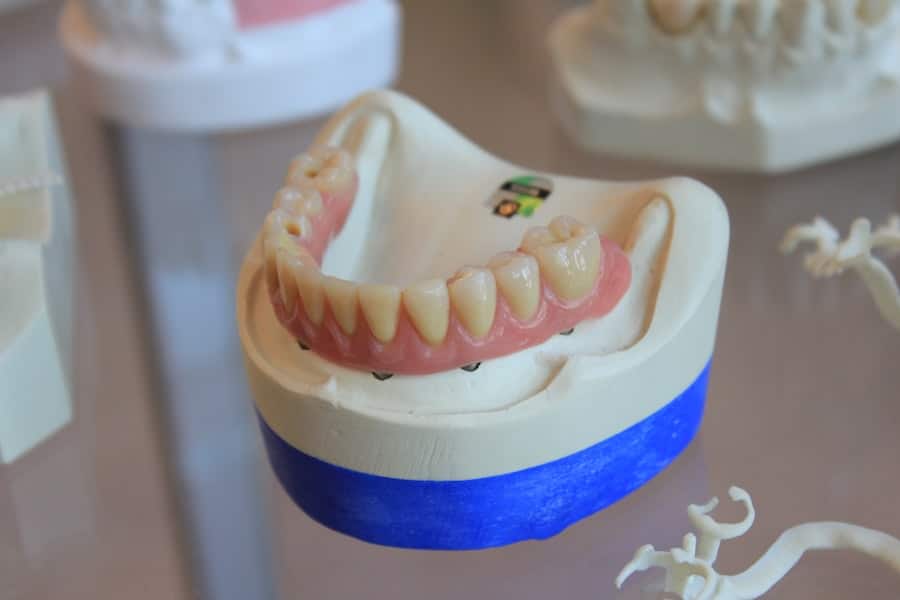
Follow-up care is an integral part of ensuring a successful healing process after dental surgery. Your dentist will provide specific guidelines tailored to your situation, which may include recommendations for pain management and activity restrictions. Adhering to these guidelines is crucial; they are designed not only to promote healing but also to prevent complications that could arise from overexertion or neglecting care.
In addition to following your dentist’s instructions, it’s essential to monitor your own recovery closely. Keeping track of any changes in pain levels or swelling can help you communicate effectively with your dental professional during follow-up appointments. If something feels off or if you have concerns about your healing process, don’t hesitate to reach out for advice.
Being proactive about follow-up care can significantly enhance your recovery experience and lead to better long-term outcomes.
Monitoring and Maintenance of Dental Implants
Once your dental implants have fully integrated into your jawbone, ongoing monitoring and maintenance become essential for their longevity. Regular check-ups with your dentist will allow them to assess the condition of the implants and surrounding tissues. During these visits, they will check for signs of gum disease or bone loss that could jeopardize the stability of the implants.
In addition to professional monitoring, maintaining a diligent home care routine is vital for the longevity of your implants. This includes regular brushing and flossing as well as using any recommended cleaning aids specifically designed for implant care. By taking an active role in monitoring and maintaining your dental implants, you can ensure they remain functional and aesthetically pleasing for years to come.
Communication with Dental Professionals
Effective communication with your dental professionals is key to achieving optimal outcomes after dental surgery. From the initial consultation through post-operative care, being open about any concerns or questions can significantly enhance your experience. Don’t hesitate to ask for clarification on post-operative instructions or express any discomfort you may be experiencing; this dialogue fosters a collaborative approach to your care.
Additionally, keeping an open line of communication allows for better customization of your treatment plan based on your unique needs and circumstances. Your dentist can provide tailored advice that considers not only the technical aspects of the procedure but also how it fits into your lifestyle and preferences. By prioritizing communication with your dental team, you empower yourself in the journey toward achieving excellent oral health and a successful recovery from surgery.
If you’re considering getting dental implants in Auburn, Washington, it’s important to understand the costs involved. A comprehensive guide to post-op oral health check-ups can help ensure the success of your dental implant procedure. For more information on the costs for dental implants in Auburn, Washington, check out this helpful article here.
FAQs
What are dental implants?
Dental implants are artificial tooth roots that are placed in the jaw to support a replacement tooth or bridge. They are a popular and effective long-term solution for people who have lost one or more teeth.
What is post-op oral health check-up for dental implants?
Post-op oral health check-ups for dental implants are regular appointments with a dentist to monitor the healing process and ensure the long-term success of the implants. These check-ups are important for maintaining oral health and preventing complications.
How often should I have post-op oral health check-ups for dental implants?
The frequency of post-op oral health check-ups for dental implants may vary depending on individual circumstances and the dentist’s recommendation. In general, regular check-ups every 3-6 months are recommended to monitor the implants and overall oral health.
What happens during a post-op oral health check-up for dental implants?
During a post-op oral health check-up for dental implants, the dentist will examine the implants, surrounding gum tissue, and overall oral health. X-rays may be taken to assess the bone structure and ensure the implants are properly integrated.
Why are post-op oral health check-ups important for dental implants?
Post-op oral health check-ups are important for dental implants to monitor the healing process, detect any issues early, and prevent complications such as infection or implant failure. Regular check-ups also help maintain overall oral health.
What can I expect after a post-op oral health check-up for dental implants?
After a post-op oral health check-up for dental implants, the dentist may provide recommendations for oral hygiene, diet, and lifestyle habits to support the long-term success of the implants. Any necessary follow-up appointments or treatments will also be discussed.