
After undergoing dental implant surgery, you may find yourself in a whirlwind of emotions, from relief to anxiety about the healing process. One crucial aspect that often gets overlooked is the importance of a thorough post-operative oral health assessment. This assessment is not merely a formality; it serves as a vital checkpoint to ensure that your healing is progressing as expected.
By understanding the significance of this evaluation, you can take proactive steps to safeguard your investment in your oral health. During your post-op assessment, your dentist will evaluate the surgical site for any signs of complications, such as swelling, bleeding, or unusual discomfort. This is your opportunity to discuss any concerns you may have and to receive tailored advice on how to care for your implants.
By actively participating in this assessment, you empower yourself with knowledge and tools that can significantly enhance your recovery experience. Remember, the sooner any potential issues are identified, the easier they are to manage, ensuring that your journey toward a healthy smile remains on track.
Key Takeaways
- Post-op oral health assessment is crucial for monitoring healing and identifying any complications early on.
- Common post-op complications include infection, implant failure, and nerve damage, and it’s important to be able to identify them.
- Proper oral hygiene practices, such as regular brushing and flossing, are essential for maintaining dental implants and preventing complications.
- Dietary recommendations, including avoiding hard foods and excessive sugar, can promote optimal healing and oral health after dental implant surgery.
- Regular dental check-ups and maintenance are important for monitoring the health of dental implants and addressing any issues early on.
Common Post-Op Complications and How to Identify Them
Monitoring Pain and Bleeding
If you notice persistent pain that worsens rather than improves over time, it could be a sign of an underlying problem that requires immediate attention. Another complication to watch for is excessive bleeding or discharge from the surgical site. While some bleeding is normal immediately after surgery, it should gradually subside.
Identifying Signs of Infection
If you find that the bleeding continues or becomes more pronounced, it’s crucial to contact your dentist right away. Additionally, keep an eye out for any signs of infection, such as fever or an unusual bad taste in your mouth.
Ensuring a Smooth Recovery
By being vigilant and proactive about these potential complications, you can ensure that your recovery remains on course and that your dental implants have the best chance of success.
Oral Hygiene Practices for Maintaining Dental Implants
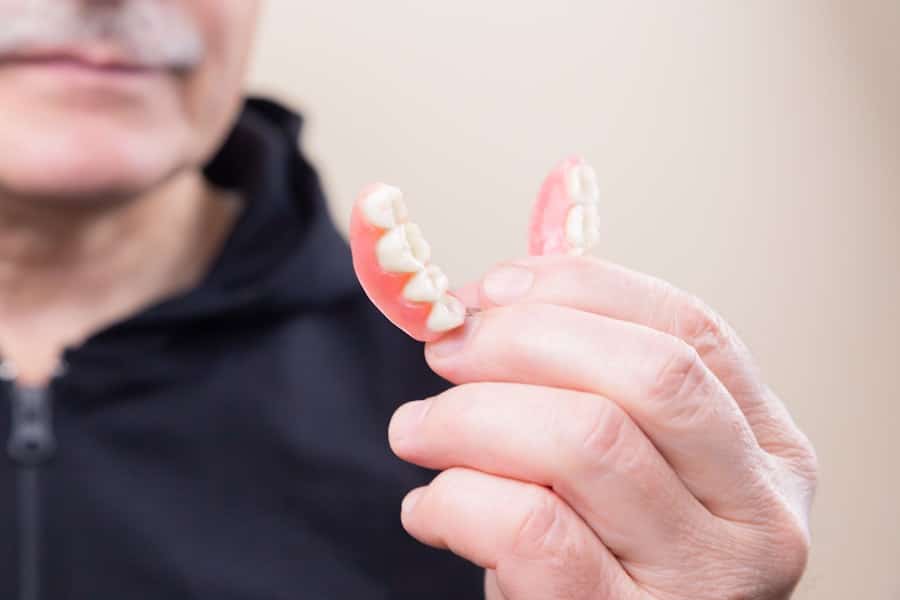
Maintaining excellent oral hygiene is paramount for the longevity of your dental implants. After surgery, you may feel hesitant to brush or floss around the surgical site, but neglecting these practices can lead to complications such as peri-implantitis. It’s essential to establish a gentle yet effective oral hygiene routine that accommodates your healing process.
Your dentist may recommend using a soft-bristled toothbrush and non-abrasive toothpaste to clean around the implant area without causing irritation. In addition to brushing, incorporating an antimicrobial mouthwash into your routine can help reduce bacteria in your mouth and promote healing. Rinsing with warm salt water can also be beneficial in soothing the surgical site and keeping it clean.
Remember that while it’s important to maintain cleanliness, you should avoid vigorous rinsing or spitting that could disrupt the healing tissue. By prioritizing these oral hygiene practices, you can create an environment conducive to healing and ensure the long-term success of your dental implants.
Dietary Recommendations for Optimal Healing and Oral Health
Your diet plays a crucial role in your recovery after dental implant surgery. Consuming the right foods can significantly impact your healing process and overall oral health. In the initial days following surgery, it’s advisable to stick to soft foods that require minimal chewing.
Foods like yogurt, mashed potatoes, and smoothies can provide essential nutrients without putting undue stress on your healing gums. As you progress in your recovery, gradually reintroducing more solid foods is essential, but be mindful of what you choose to eat. Incorporating nutrient-rich foods such as leafy greens, lean proteins, and whole grains can support tissue regeneration and strengthen your immune system.
Additionally, staying hydrated is vital; drinking plenty of water helps maintain saliva production, which is essential for oral health. By making conscious dietary choices during this critical period, you can enhance your healing process and set the stage for long-term success with your dental implants.
Importance of Regular Dental Check-Ups and Maintenance
Once you’ve completed your initial recovery from dental implant surgery, regular dental check-ups become essential for maintaining your oral health. These visits allow your dentist to monitor the condition of your implants and surrounding tissues, ensuring that everything remains healthy and functional. During these appointments, any potential issues can be identified early on, preventing more significant problems down the line.
Moreover, professional cleanings are crucial for removing plaque and tartar buildup that regular brushing may miss. Your dentist can provide tailored advice on how to care for your implants based on their observations during these check-ups. By committing to a schedule of regular dental visits, you not only protect your investment in dental implants but also contribute to your overall oral health and well-being.
Recognizing Signs of Infection and When to Seek Professional Help

Understanding how to recognize signs of infection is vital for anyone who has undergone dental implant surgery. While some discomfort is expected during recovery, certain symptoms should raise red flags. If you experience persistent swelling or redness around the implant site that doesn’t improve over time, it may indicate an infection.
Additionally, if you notice a foul taste in your mouth or develop a fever, these could be signs that something is amiss. It’s essential not to ignore these symptoms; seeking professional help promptly can prevent further complications and ensure a smoother recovery process. Your dentist will be able to assess the situation accurately and provide appropriate treatment if necessary.
Remember that early intervention is key when it comes to infections; addressing them quickly can make all the difference in preserving the health of your dental implants.
Lifestyle Habits to Avoid for Long-Term Dental Implant Success
To ensure the long-term success of your dental implants, it’s crucial to be mindful of certain lifestyle habits that could jeopardize their integrity. One significant habit to avoid is smoking; tobacco use has been linked to increased risks of implant failure due to its negative impact on blood flow and healing. If you smoke, consider seeking support to quit or at least reduce your intake during the recovery period.
Another habit to be cautious about is grinding or clenching your teeth, known as bruxism. This condition can place excessive pressure on dental implants and lead to complications over time. If you suspect that you grind your teeth at night, discuss this with your dentist; they may recommend a nightguard to protect your implants from undue stress.
By being aware of these lifestyle factors and making necessary adjustments, you can significantly enhance the longevity of your dental implants.
Tips for Maintaining Overall Oral Health After Dental Implant Surgery
Maintaining overall oral health after dental implant surgery involves more than just caring for the implants themselves; it encompasses a holistic approach to your dental hygiene routine. One effective tip is to establish a consistent schedule for brushing and flossing at least twice a day. This routine helps prevent plaque buildup around both natural teeth and implants.
In addition to regular brushing and flossing, consider incorporating additional tools into your oral care arsenal. Interdental brushes or water flossers can effectively clean hard-to-reach areas around implants and between teeth. Furthermore, staying informed about any changes in your oral health is crucial; if you notice anything unusual—such as changes in taste or discomfort—don’t hesitate to reach out to your dentist for guidance.
By adopting these practices and remaining proactive about your oral health, you can enjoy a successful outcome from your dental implant surgery for years to come.
If you are considering getting dental implants in Colorado Springs, Lawrence, or Lakewood, it is important to understand the costs involved. A related article on Costs for Dental Implants in Colorado Springs, Colorado provides valuable information on the expenses associated with this procedure in that specific location. Understanding the financial aspect of dental implants can help you make an informed decision about your oral health care.
FAQs
What are dental implants?
Dental implants are artificial tooth roots that are placed in the jaw to support a replacement tooth or bridge. They are a popular and effective long-term solution for people who have lost teeth due to periodontal disease, injury, or other reasons.
What is post-op oral health assessment for dental implants?
Post-op oral health assessment for dental implants involves evaluating the patient’s oral health after the implant surgery. This assessment includes checking for proper healing, monitoring for any signs of infection, and ensuring that the implants are integrating well with the surrounding bone.
Why is post-op oral health assessment important for dental implants?
Post-op oral health assessment is important for dental implants to ensure that the implants are healing properly and that the patient’s oral health is being maintained. It helps to identify any potential issues early on and allows for timely intervention if needed.
What does post-op oral health assessment for dental implants involve?
Post-op oral health assessment for dental implants involves a thorough examination of the surgical site, checking for any signs of infection or complications, evaluating the stability of the implants, and assessing the overall oral health of the patient.
How often should post-op oral health assessment be conducted for dental implants?
The frequency of post-op oral health assessment for dental implants may vary depending on the individual patient and the specific circumstances of their implant surgery. However, it is generally recommended to have regular follow-up appointments with the dentist or oral surgeon to monitor the healing process and ensure the long-term success of the implants.