
After undergoing dental implant surgery, you may find yourself in a whirlwind of emotions, from relief to anxiety about the healing process. It’s crucial to recognize that post-operative oral health care plays a pivotal role in the success of your dental implants. The initial days following the procedure are critical; your body is working hard to heal, and the choices you make during this time can significantly influence the outcome.
By prioritizing your oral health care, you not only enhance your comfort but also set the stage for a successful integration of the implant into your jawbone. You should be aware that the healing process involves more than just physical recovery. It’s an opportunity for you to establish a routine that supports your overall oral health.
This includes adhering to your dentist’s post-operative instructions, which may encompass guidelines on pain management, dietary restrictions, and oral hygiene practices. By understanding the importance of these recommendations, you empower yourself to take an active role in your recovery, ensuring that your dental implants have the best chance of thriving in their new environment.
Key Takeaways
- Proper post-op oral health care is crucial for successful dental implant surgery and long-term implant success.
- Managing pain and discomfort after dental implant surgery requires following the dentist’s instructions and taking prescribed medications.
- Maintaining proper oral hygiene, including regular brushing and flossing, is essential for the long-term success of dental implants.
- Dietary considerations, such as avoiding hard foods and alcohol, are important for optimal healing and implant integration after surgery.
- Recognizing and preventing potential complications, such as infection or implant failure, is key to successful dental implant surgery.
Managing Pain and Discomfort After Dental Implant Surgery
Following Your Dentist’s Guidance
Your dentist will likely prescribe pain relief medications or recommend over-the-counter options to help alleviate any discomfort you may feel. It’s important to follow their guidance closely, taking medications as directed and not waiting until the pain becomes unbearable.
Home Remedies for Discomfort Relief
In addition to medication, there are several home remedies you can employ to ease your discomfort. Applying a cold compress to the outside of your cheek can help reduce swelling and numb the area, providing temporary relief. You might also find that elevating your head while resting can minimize pressure in the surgical area.
Open Communication for a Smooth Recovery
Remember, while some discomfort is expected, you should never hesitate to reach out to your dentist if you experience severe pain or unusual symptoms. Open communication is key to ensuring a smooth recovery.
Maintaining Proper Oral Hygiene for Long-Term Implant Success
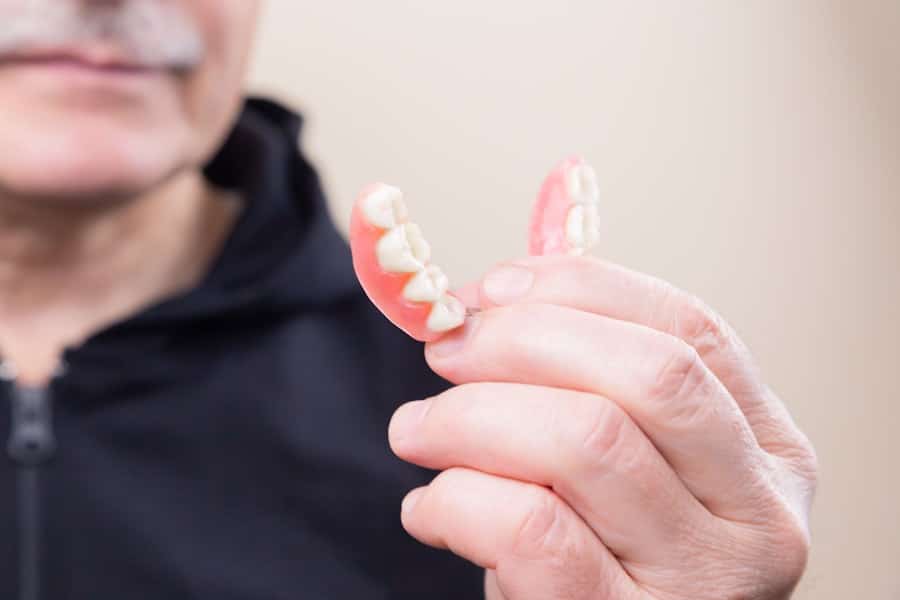
Once the initial healing phase has passed, maintaining proper oral hygiene becomes paramount for the long-term success of your dental implants. You may be tempted to relax your oral care routine, but it’s essential to remain diligent. Brushing twice a day with a soft-bristled toothbrush and using non-abrasive toothpaste will help keep your mouth clean without damaging the implant or surrounding tissues.
Flossing daily is equally important; however, you may need to use specialized tools designed for cleaning around implants. In addition to traditional brushing and flossing, consider incorporating an antimicrobial mouthwash into your routine. This can help reduce bacteria in your mouth and promote healing around the implant site.
Regularly scheduled visits to your dentist for professional cleanings will also play a crucial role in maintaining your oral health. Your dentist can provide tailored advice on how to care for your implants and monitor their condition over time, ensuring that they remain in optimal shape.
Dietary Considerations for Optimal Healing and Implant Integration
Your diet plays a significant role in the healing process following dental implant surgery. In the days immediately after the procedure, you should focus on consuming soft foods that require minimal chewing. Foods like yogurt, mashed potatoes, and smoothies can provide essential nutrients without putting undue stress on your healing gums.
Staying hydrated is equally important; drinking plenty of water will help flush out toxins and keep your body functioning optimally. As you progress in your recovery, gradually reintroducing solid foods is essential for both healing and implant integration. However, it’s wise to avoid hard or crunchy foods that could jeopardize the stability of your implants during this sensitive period.
Incorporating nutrient-rich foods such as leafy greens, lean proteins, and healthy fats will support your body’s healing processes and promote strong bone integration around the implant. By being mindful of what you eat, you can significantly enhance your recovery experience.
Recognizing and Preventing Potential Complications After Dental Implant Surgery
While dental implants are generally safe and effective, it’s crucial for you to be aware of potential complications that may arise post-surgery. One common issue is infection at the implant site, which can occur if bacteria enter the surgical area. Signs of infection may include increased swelling, persistent pain, or discharge from the site.
If you notice any of these symptoms, it’s vital to contact your dentist immediately for evaluation and treatment. Another complication to watch for is implant failure, which can occur if the implant does not properly integrate with the jawbone. Factors such as smoking, poor oral hygiene, or underlying health conditions can increase the risk of failure.
To mitigate these risks, you should adhere strictly to post-operative care instructions and maintain regular communication with your dentist throughout your recovery journey. By being proactive and vigilant about potential complications, you can help ensure a successful outcome for your dental implants.
Regular Dental Check-ups and Monitoring for Implant Health

Regular dental check-ups are essential for monitoring the health of your dental implants and ensuring their long-term success. During these visits, your dentist will assess the condition of both the implants and surrounding tissues, checking for any signs of complications or issues that may arise over time. These appointments are an opportunity for you to discuss any concerns or questions you may have regarding your oral health or implant maintenance.
In addition to routine check-ups, your dentist may recommend periodic imaging studies to evaluate the bone structure around the implants. This proactive approach allows for early detection of any potential problems before they escalate into more significant issues. By committing to regular dental visits and open communication with your dentist, you can stay informed about the status of your implants and take necessary steps to maintain their health.
Lifestyle Adjustments for Improved Oral Health and Implant Maintenance
Making lifestyle adjustments can significantly impact your oral health and the longevity of your dental implants. One of the most important changes you can make is quitting smoking if you are a smoker. Tobacco use has been linked to higher rates of implant failure due to its negative effects on blood flow and healing processes.
By eliminating this habit, you not only improve your chances of successful integration but also enhance your overall oral health. In addition to quitting smoking, consider adopting a balanced diet rich in vitamins and minerals that support bone health. Foods high in calcium and vitamin D are particularly beneficial for maintaining strong bones around your implants.
Regular exercise is another lifestyle factor that can contribute positively to your oral health by improving circulation and overall well-being. By making these adjustments, you create an environment conducive to successful implant maintenance and long-term oral health.
Long-Term Care and Maintenance of Dental Implants
Long-term care and maintenance of dental implants require commitment but are well worth the effort for preserving your investment in oral health. You should continue practicing excellent oral hygiene habits throughout your life, including regular brushing, flossing, and using mouthwash as recommended by your dentist. Additionally, consider using specialized cleaning tools designed for implants to ensure thorough cleaning without causing damage.
It’s also essential to remain vigilant about any changes in your oral health over time. If you notice any discomfort or changes in how your implants feel or function, don’t hesitate to reach out to your dentist for evaluation. Staying proactive about your oral health will help ensure that your dental implants remain functional and aesthetically pleasing for many years to come.
By prioritizing long-term care and maintenance, you can enjoy the benefits of a healthy smile with confidence and peace of mind.
If you’re considering getting dental implants in Canton, Ohio, East Lansing, Michigan, or Warren, Ohio, you may be wondering about the costs involved. Check out this informative article on Costs for Dental Implants in Canton, Ohio to learn more about the financial aspects of this procedure. In addition to understanding the costs, it’s important to prioritize post-op oral health to ensure the success of your dental implants. For a comprehensive guide on how to amplify your oral health after getting dental implants, be sure to read our article on Dental Implants: A Comprehensive Guide to Post-Op Oral Health Amplification.
FAQs
What are dental implants?
Dental implants are artificial tooth roots that are surgically placed into the jawbone to support a replacement tooth or bridge. They provide a strong foundation for fixed or removable replacement teeth.
Who is a good candidate for dental implants?
Good candidates for dental implants are individuals with good oral health, adequate bone in the jaw to support the implant, and healthy gum tissues. They should also be committed to maintaining good oral hygiene and regular dental visits.
What are the benefits of dental implants?
Dental implants offer several benefits, including improved appearance, speech, comfort, and oral health. They also provide better durability and convenience compared to other tooth replacement options.
What is the post-operative care for dental implants?
Post-operative care for dental implants includes maintaining good oral hygiene, avoiding hard or sticky foods, attending follow-up appointments with the dentist, and following any specific instructions provided by the dental professional.
What are the potential risks and complications of dental implants?
Potential risks and complications of dental implants may include infection at the implant site, injury or damage to surrounding structures, nerve damage, and implant failure. However, these risks are relatively low when the procedure is performed by a qualified dental professional.
How long do dental implants last?
With proper care and maintenance, dental implants can last a lifetime. It is important to practice good oral hygiene, avoid damaging habits such as teeth grinding, and attend regular dental check-ups to ensure the longevity of dental implants.