
When you undergo a dental implant procedure, it’s essential to understand the importance of post-operative care, particularly regarding medication restrictions. After the surgery, your body will be in a healing phase, and the medications you take can significantly influence your recovery. The right medications can help manage pain, reduce inflammation, and prevent infection, while the wrong ones can lead to complications or hinder the healing process.
Therefore, being aware of what you can and cannot take is crucial for a smooth recovery. As you navigate through the post-operative period, your dentist or oral surgeon will provide specific guidelines tailored to your individual needs. These guidelines are designed to optimize your healing and ensure that your dental implants integrate successfully with your jawbone.
Understanding these restrictions will empower you to make informed decisions about your health and recovery, allowing you to focus on healing rather than worrying about potential setbacks.
Key Takeaways
- Post-op medication restrictions for dental implants include avoiding aspirin and non-steroidal anti-inflammatory drugs (NSAIDs) for the first few days to prevent excessive bleeding and delayed healing.
- Pain management medication restrictions include avoiding aspirin and NSAIDs, and instead using acetaminophen for pain relief after dental implant surgery.
- Anti-inflammatory medication restrictions involve avoiding NSAIDs to prevent interference with the body’s natural healing process after dental implant surgery.
- Antibiotic medication restrictions may be necessary for a short period after dental implant surgery to prevent infection, as prescribed by the dentist.
- Anticoagulant medication restrictions may be necessary to prevent excessive bleeding after dental implant surgery, as advised by the dentist.
Pain Management Medication Restrictions
Pain management is a significant aspect of your recovery after dental implant surgery. While it’s natural to experience some discomfort following the procedure, it’s essential to adhere to the medication restrictions set by your healthcare provider. Typically, over-the-counter pain relievers like acetaminophen or ibuprofen are recommended for managing mild to moderate pain.
However, you should avoid certain medications that could interfere with your healing process or increase the risk of complications. For instance, non-steroidal anti-inflammatory drugs (NSAIDs) may be restricted in some cases due to their potential to affect blood clotting. If you have been prescribed stronger pain medications, such as opioids, it’s crucial to use them only as directed.
Misuse of these medications can lead to dependency or other health issues. Always communicate with your dentist about any pain you experience; they can adjust your medication plan accordingly to ensure you remain comfortable while promoting optimal healing.
Anti-inflammatory Medication Restrictions

Anti-inflammatory medications play a vital role in managing swelling and discomfort after dental implant surgery. However, not all anti-inflammatory drugs are suitable for everyone. Your dentist may advise you against using certain medications, particularly those that can thin the blood or interfere with the healing process.
For example, aspirin is commonly used for its anti-inflammatory properties but may not be recommended due to its blood-thinning effects. Instead, your dentist might suggest alternatives that are safer for your specific situation. Over-the-counter options like ibuprofen can be effective in reducing inflammation without posing significant risks.
It’s essential to follow your dentist’s recommendations closely and avoid self-medicating with over-the-counter anti-inflammatories that haven’t been approved for your use. By adhering to these restrictions, you can help ensure a smoother recovery and minimize the risk of complications.
Antibiotic Medication Restrictions
Antibiotics are often prescribed after dental implant surgery to prevent infection, a common concern during the healing process. However, it’s crucial to understand that not all antibiotics are appropriate for every patient. Your dentist will consider various factors, including your medical history and any allergies you may have, before prescribing an antibiotic regimen tailored to your needs.
While taking antibiotics, it’s essential to complete the entire course as prescribed, even if you start feeling better before finishing the medication. Stopping antibiotics prematurely can lead to antibiotic resistance and may not fully eradicate any potential infection. Additionally, be cautious about taking other medications that could interact negatively with the antibiotics prescribed to you.
Always consult with your dentist or pharmacist if you have questions about potential interactions or side effects.
Anticoagulant Medication Restrictions
If you are on anticoagulant medications for conditions such as atrial fibrillation or deep vein thrombosis, it’s vital to discuss this with your dentist before undergoing dental implant surgery. Anticoagulants are designed to prevent blood clots but can complicate surgical procedures and recovery. Your dentist may recommend adjusting your anticoagulant regimen temporarily around the time of your surgery to minimize bleeding risks.
It’s essential to follow your dentist’s instructions regarding anticoagulant management closely. They may coordinate with your primary care physician or cardiologist to ensure that any adjustments made do not compromise your overall health. By being proactive about managing anticoagulant medications, you can help ensure a safer surgical experience and a smoother recovery process.
Alcohol and Tobacco Restrictions
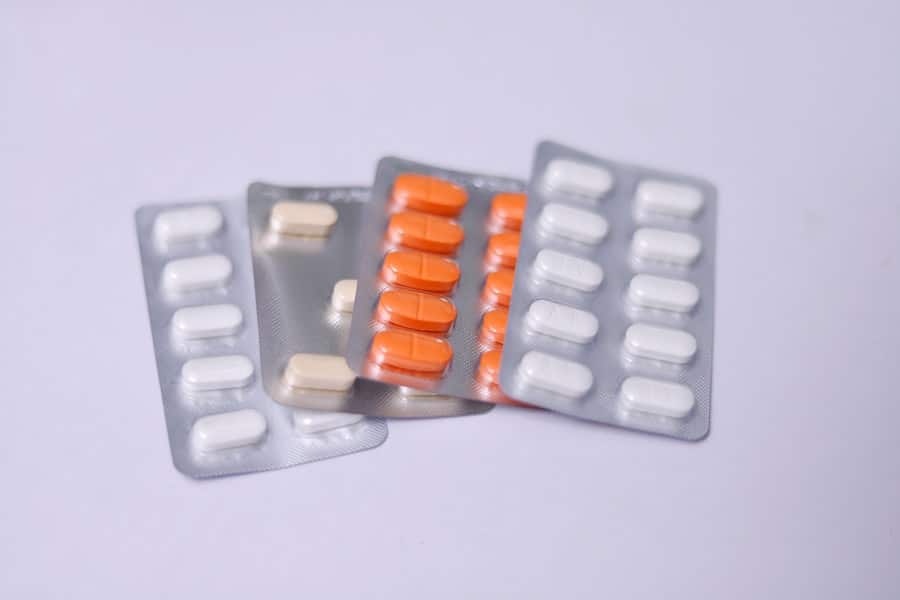
Both alcohol and tobacco can significantly impact your recovery after dental implant surgery. Smoking is known to hinder healing by reducing blood flow and oxygen supply to the surgical site, which can lead to complications such as implant failure or prolonged recovery times. If you smoke, consider quitting or at least refraining from smoking for a period before and after your surgery.
Alcohol consumption can also interfere with the healing process and interact negatively with medications prescribed for pain management or infection prevention. It’s advisable to avoid alcohol for at least 48 hours post-surgery or longer if recommended by your dentist. By steering clear of these substances during your recovery period, you can enhance your body’s ability to heal and increase the likelihood of a successful outcome.
Over-the-Counter Medication Restrictions
While over-the-counter medications can be convenient for managing discomfort and other symptoms after dental implant surgery, it’s crucial to be mindful of which ones you choose to take. Some common over-the-counter medications may not be suitable for you during this time due to their potential side effects or interactions with prescribed medications. For example, certain cold and flu medications may contain ingredients that could thin the blood or exacerbate swelling.
Always consult with your dentist before taking any over-the-counter medication during your recovery period. They can provide guidance on safe options that will help manage pain and discomfort without compromising your healing process.
Summary and Conclusion
In summary, understanding post-operative medication restrictions after dental implant surgery is essential for ensuring a smooth recovery. From pain management and anti-inflammatory medications to antibiotics and anticoagulants, each category has specific guidelines that must be followed closely. By adhering to these restrictions and communicating openly with your healthcare provider, you can significantly enhance your chances of a successful outcome.
As you embark on this journey toward improved oral health through dental implants, remember that your commitment to following these guidelines is just as important as the surgical procedure itself. Taking an active role in your recovery will empower you to achieve optimal results and enjoy the benefits of a restored smile for years to come.
If you are considering getting dental implants, it is important to be aware of the post-operative medication restrictions that may apply. A comprehensive guide to these restrictions can be found in the article “Costs for Dental Implants Overland Park, Kansas.” This article provides valuable information on what medications to avoid after getting dental implants to ensure proper healing and successful outcomes. It is essential to follow these guidelines to minimize the risk of complications and promote optimal recovery.
FAQs
What are the common post-op medication restrictions after getting dental implants?
After getting dental implants, it is common for patients to be advised to avoid certain medications such as aspirin, ibuprofen, and other non-steroidal anti-inflammatory drugs (NSAIDs) as they can interfere with the healing process and increase the risk of bleeding.
Why should patients avoid NSAIDs after getting dental implants?
NSAIDs can interfere with the body’s natural healing process and increase the risk of bleeding, which can be detrimental to the success of the dental implant procedure. It is important to follow the post-op medication restrictions to ensure proper healing and successful integration of the implant with the jawbone.
What alternative pain management options are available for patients after getting dental implants?
Patients can use acetaminophen (Tylenol) as an alternative pain management option after getting dental implants. It is important to consult with the dentist or oral surgeon to determine the appropriate pain medication and dosage based on individual needs and medical history.
How long do patients need to follow the post-op medication restrictions after getting dental implants?
The duration of post-op medication restrictions may vary depending on the individual’s healing process and the specific instructions provided by the dentist or oral surgeon. It is important to follow the recommended guidelines and consult with the dental professional for any concerns or questions about medication restrictions.