
Dental implants have revolutionized the field of dentistry, offering a permanent solution for those who have lost teeth due to injury, decay, or other dental issues. If you find yourself in need of a tooth replacement, you may be considering this innovative option. A dental implant consists of a titanium post that is surgically placed into the jawbone, serving as a sturdy foundation for a replacement tooth or bridge.
This procedure not only restores your smile but also helps maintain the integrity of your jawbone, preventing further deterioration that can occur with missing teeth. Understanding the process and benefits of dental implants is crucial for anyone contemplating this treatment. They provide a natural look and feel, allowing you to eat, speak, and smile with confidence.
However, the journey to a successful dental implant involves more than just the surgical procedure; it also requires careful attention to your post-operative care, particularly your diet. The foods you consume in the days and weeks following your surgery can significantly impact your healing process and the overall success of your implant.
Key Takeaways
- Dental implants are a popular and effective way to replace missing teeth, providing a natural-looking and long-lasting solution.
- Following post-op diet restrictions is crucial for the success of dental implant surgery, as it allows for proper healing and integration of the implants.
- Immediately after surgery, patients should stick to a soft food diet to avoid putting pressure on the implants and causing complications.
- Long-term post-op diet restrictions include avoiding hard, sticky, and crunchy foods that can damage the implants or cause inflammation.
- Foods to avoid after dental implant surgery include hard candies, nuts, popcorn, and sticky candies, as they can damage the implants or cause infection.
- Soft foods like yogurt, mashed potatoes, and smoothies are great options for immediate post-op diet, while lean proteins, fruits, and vegetables are ideal for long-term maintenance.
- To manage post-op diet restrictions, it’s important to plan meals ahead of time, chew carefully, and maintain good oral hygiene to prevent complications.
- Following post-op diet restrictions is essential for the success of dental implants, and by being mindful of the foods to avoid and enjoy, patients can ensure the longevity of their implants.
Importance of Post-op Diet Restrictions
After undergoing dental implant surgery, adhering to specific dietary restrictions is essential for promoting healing and ensuring the longevity of your new implants. Your mouth will be sensitive, and the surgical site will require time to recover. By following a carefully curated diet, you can minimize discomfort, reduce the risk of complications, and support your body’s natural healing processes.
Ignoring these dietary guidelines can lead to unnecessary pain, prolonged recovery times, and even jeopardize the success of your implants. Moreover, a well-planned post-op diet can help you avoid potential issues such as infection or inflammation. Foods that are too hard, crunchy, or sticky can disrupt the surgical site and hinder the integration of the implant with your jawbone.
By being mindful of what you eat during this critical period, you not only protect your investment in your dental health but also set yourself up for a smoother recovery experience.
Immediate Post-op Diet Restrictions

In the immediate aftermath of your dental implant surgery, your diet will need to be quite restrictive. For the first 24 to 48 hours, it is advisable to stick to liquids and very soft foods. This is primarily to allow your mouth to heal without putting undue stress on the surgical site.
Smoothies, broths, and yogurt are excellent choices during this time. They provide essential nutrients while being gentle on your healing gums. As you progress beyond the initial recovery phase, you can gradually introduce soft foods into your diet.
Mashed potatoes, applesauce, and scrambled eggs are all good options that require minimal chewing. It’s important to listen to your body; if you experience any discomfort while eating certain foods, it may be best to revert to softer options until you feel ready to try again. Remember that patience is key during this period; rushing back to your regular diet can lead to complications that could delay your recovery.
Long-term Post-op Diet Restrictions
Once you have passed the immediate post-operative phase, you may think that you can return to your normal eating habits right away. However, it’s crucial to continue being mindful of your diet in the weeks following your surgery. While you can start incorporating more solid foods into your meals, it’s wise to avoid particularly hard or crunchy items for at least a few months.
This allows your implants to fully integrate with your jawbone and ensures that they remain stable. During this long-term recovery phase, focus on maintaining a balanced diet rich in vitamins and minerals that promote healing. Foods high in calcium and vitamin D are particularly beneficial for bone health and can support the integration of your implants.
Additionally, staying hydrated is essential; drinking plenty of water helps keep your mouth moist and aids in the healing process. As you gradually reintroduce different food textures into your diet, always pay attention to how your mouth feels and adjust accordingly.
Foods to Avoid
As you navigate through your post-operative dietary restrictions, there are certain foods that you should definitely avoid. Hard foods like nuts, popcorn, and raw vegetables can put excessive pressure on your healing gums and implants. Chewy items such as bagels or tough cuts of meat can also pose a risk by requiring more effort to chew than your mouth may be ready for at this stage.
Sticky foods like caramel or taffy should be avoided as well; they can cling to your teeth and gums, potentially leading to irritation or infection at the surgical site. Additionally, acidic foods like citrus fruits or vinegar-based dressings may cause discomfort during the healing process. By steering clear of these problematic foods, you can help ensure a smoother recovery and protect the integrity of your new dental implants.
Foods to Enjoy
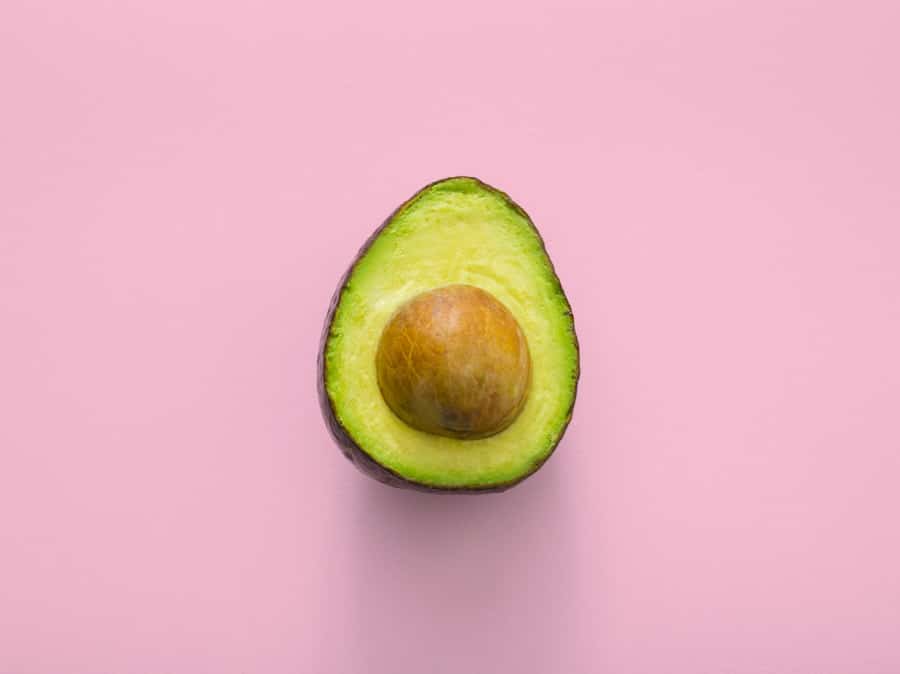
On a more positive note, there are plenty of delicious foods that you can enjoy during your recovery from dental implant surgery. Soft fruits like bananas or ripe avocados are not only easy to eat but also packed with nutrients that support healing. Dairy products such as yogurt or cottage cheese provide protein and calcium while being gentle on your mouth.
Soups are another excellent option; they can be both nourishing and comforting during this time. Opt for creamy soups or pureed vegetable soups that are easy to swallow without requiring much chewing. Additionally, smoothies can be a fantastic way to pack in vitamins and minerals while keeping things easy on your healing gums.
You can blend fruits with yogurt or milk for a nutritious treat that feels indulgent yet is safe for your recovery.
Tips for Managing Post-op Diet Restrictions
Managing dietary restrictions after dental implant surgery doesn’t have to be a daunting task. One effective strategy is meal prepping; by preparing soft meals in advance, you can ensure that you have easy-to-eat options readily available when hunger strikes. Consider making large batches of soups or smoothies that can be stored in the refrigerator or freezer for quick access.
Another helpful tip is to stay organized with a list of acceptable foods. Having a clear idea of what you can eat will make grocery shopping easier and help you avoid temptation when faced with less suitable options. Additionally, don’t hesitate to reach out to your dentist or oral surgeon for personalized recommendations based on your specific situation; they can provide valuable insights tailored to your needs.
Lastly, remember that this phase is temporary. While it may feel restrictive at times, focusing on nourishing your body will pay off in the long run as you work towards a full recovery and enjoy the benefits of your new dental implants.
Conclusion and Final Thoughts
In conclusion, while dental implants offer an incredible solution for tooth loss, they come with their own set of post-operative care requirements—most notably regarding diet. By understanding the importance of adhering to dietary restrictions both immediately after surgery and in the long term, you can significantly enhance your healing process and ensure the success of your implants. As you navigate through this journey, remember that patience is key.
Embrace the opportunity to explore new soft food options while being mindful of what to avoid. With careful planning and attention to your body’s needs, you’ll soon find yourself enjoying a full range of foods again—along with a beautiful new smile that reflects your commitment to dental health.
If you’re considering dental implants in Pacifica, California, it’s important to be aware of the post-op diet restrictions that come with the procedure. Following a comprehensive guide to what you can and cannot eat after getting dental implants is crucial for a successful recovery. For more information on the costs associated with dental implants in Pacifica, check out this article on CostsForDentalImplants.com.
FAQs
What are the general post-op diet restrictions after getting dental implants?
After getting dental implants, it is important to follow a soft food diet for the first few days to allow for proper healing. Avoid hard, crunchy, sticky, or chewy foods that can put pressure on the implant site and potentially cause irritation or damage.
How long do post-op diet restrictions typically last after getting dental implants?
Post-op diet restrictions after getting dental implants typically last for about 1-2 weeks, depending on the individual’s healing process and the specific instructions provided by their dentist or oral surgeon.
What are some examples of soft foods that are recommended during the post-op period after getting dental implants?
Examples of soft foods that are recommended during the post-op period after getting dental implants include mashed potatoes, yogurt, smoothies, scrambled eggs, oatmeal, soups, steamed vegetables, and soft fruits like bananas and avocados.
Are there any specific beverages that should be avoided during the post-op period after getting dental implants?
It is recommended to avoid hot beverages, such as coffee and tea, as well as alcoholic and carbonated drinks during the post-op period after getting dental implants, as they can potentially irritate the implant site.
What are some important tips to keep in mind when following post-op diet restrictions after getting dental implants?
Some important tips to keep in mind when following post-op diet restrictions after getting dental implants include staying hydrated, avoiding using a straw, chewing on the opposite side of the mouth, and maintaining good oral hygiene to promote healing and prevent complications.