
After undergoing dental surgery, particularly procedures involving implants, the significance of post-operative visits cannot be overstated. These appointments serve as a critical checkpoint in your recovery journey, allowing your dentist to monitor your healing process and address any concerns that may arise. Regular follow-ups ensure that your body is responding well to the procedure and that the implants are integrating properly with your jawbone.
By attending these visits, you not only safeguard your investment in your oral health but also enhance the likelihood of a successful outcome. Moreover, post-op visits provide an opportunity for you to communicate any discomfort or unusual symptoms you may be experiencing. Your dentist can offer guidance on managing pain or swelling and can identify potential issues before they escalate into more serious complications.
These appointments are not merely routine; they are essential for ensuring that your dental implants function effectively and that your overall oral health remains intact. By prioritizing these visits, you demonstrate a commitment to your well-being and the longevity of your dental work.
Key Takeaways
- Regular post-op dental visits are crucial for the long-term success of dental implants
- During post-op visits, expect thorough examinations, cleanings, and discussions about oral hygiene
- Proper care and maintenance of dental implants include regular brushing, flossing, and using antimicrobial mouthwash
- Potential complications such as infection or implant failure should be addressed promptly by a dental professional
- Oral hygiene tips for dental implant patients include using a soft-bristled toothbrush and avoiding tobacco products
What to Expect During Post-op Dental Visits
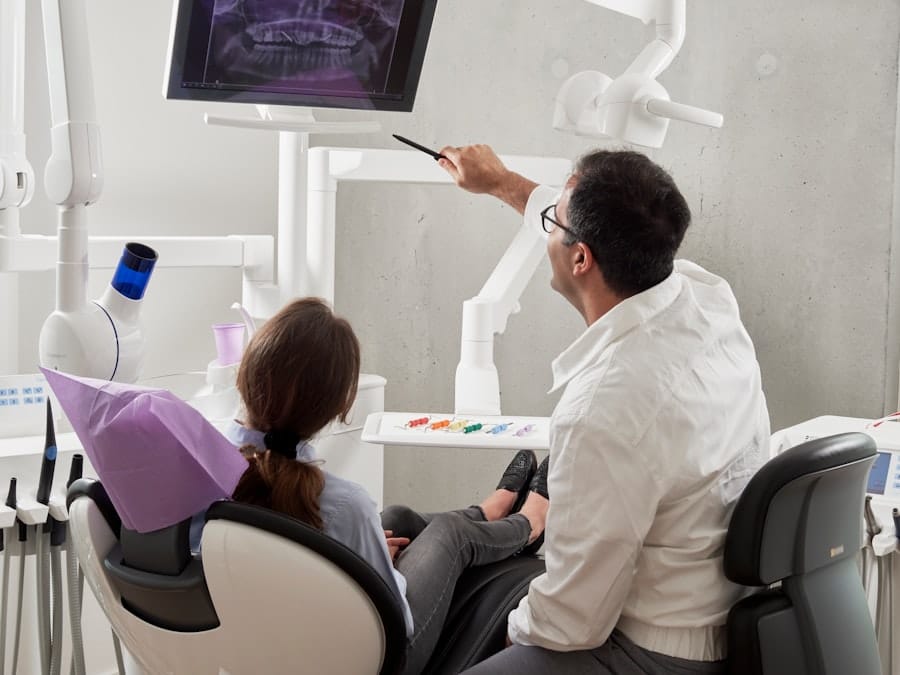
When you arrive for your post-operative dental visit, you can expect a thorough examination of the surgical site. Your dentist will assess the healing progress, checking for signs of infection or inflammation. They may take X-rays to evaluate how well the implants are integrating with your bone structure.
This imaging is crucial, as it provides a clear picture of the implant’s position and stability, allowing your dentist to make informed decisions about your ongoing care. In addition to the physical examination, your dentist will likely discuss your recovery experience with you. They will ask about any pain or discomfort you may have felt since the surgery and whether you have adhered to the post-operative care instructions provided.
This dialogue is vital, as it helps your dentist tailor their recommendations to your specific needs. If you have questions or concerns about your recovery, this is the perfect time to address them. Open communication during these visits fosters a collaborative relationship between you and your dental team, ultimately leading to better outcomes.
Care and Maintenance of Dental Implants

Caring for dental implants is crucial for their longevity and functionality. After the initial healing period, which can vary from person to person, maintaining good oral hygiene becomes paramount. You should brush your teeth at least twice a day with a soft-bristled toothbrush and use non-abrasive toothpaste to avoid damaging the implant surface.
Flossing daily is equally important, as it helps remove food particles and plaque that can accumulate around the implant and adjacent teeth. In addition to regular brushing and flossing, consider incorporating an antimicrobial mouthwash into your routine. This can help reduce bacteria in your mouth, further protecting your implants from infection.
Regular visits to your dentist for professional cleanings are also essential; these appointments allow for a deeper clean that you may not achieve at home. Your dentist can remove tartar buildup and check for any signs of gum disease or other issues that could jeopardize the health of your implants.
Potential Complications and How to Address Them
While dental implants are generally safe and effective, complications can arise in some cases. One potential issue is implant failure, which can occur if the implant does not properly integrate with the jawbone. Factors such as smoking, poor oral hygiene, or underlying health conditions can increase the risk of failure.
If you notice any signs of implant failure—such as persistent pain, swelling, or mobility—it’s crucial to contact your dentist immediately for evaluation. Another complication that may arise is peri-implantitis, an inflammatory condition affecting the tissues surrounding the implant. This condition can lead to bone loss if not addressed promptly.
Symptoms may include redness, swelling, and bleeding around the implant site. If you experience these symptoms, seek professional help as soon as possible. Your dentist may recommend a deep cleaning or other treatments to manage the condition effectively.
Being proactive about any changes in your oral health can significantly improve your chances of maintaining successful dental implants.
Oral Hygiene Tips for Dental Implant Patients
Maintaining excellent oral hygiene is vital for anyone with dental implants. You should start by using a soft-bristled toothbrush designed for sensitive gums to avoid irritating the implant site. It’s essential to brush gently but thoroughly, ensuring that you clean all surfaces of your teeth and around the implant area.
Consider using an electric toothbrush, as it can provide a more effective clean while being gentle on your gums. Flossing is another critical component of oral hygiene for dental implant patients. Traditional floss may be challenging to maneuver around implants, so you might want to explore alternatives such as floss threaders or interdental brushes designed specifically for this purpose.
These tools can help you reach areas that are difficult to clean with regular floss, ensuring that plaque and food particles are effectively removed from around the implant.
Dietary Recommendations for Optimal Healing
Your diet plays a significant role in the healing process following dental implant surgery. In the initial days after surgery, it’s advisable to stick to soft foods that require minimal chewing. Foods like yogurt, mashed potatoes, smoothies, and soups can provide essential nutrients without putting undue stress on your healing gums.
Staying hydrated is equally important; drinking plenty of water helps maintain overall health and supports recovery. As you progress in your healing journey, gradually reintroduce more solid foods into your diet while being mindful of how they affect your comfort level. Avoid hard or crunchy foods that could potentially damage the implant or irritate the surgical site during the early stages of recovery.
Additionally, limit sugary foods and beverages that can contribute to plaque buildup and increase the risk of complications like peri-implantitis. A balanced diet rich in vitamins and minerals will not only aid in healing but also promote long-term oral health.
Follow-up Appointments and Monitoring
Follow-up appointments are an integral part of ensuring the success of your dental implants. Your dentist will schedule these visits at regular intervals to monitor your healing progress and assess the stability of the implants. During these appointments, they will perform thorough examinations and may take X-rays to evaluate bone integration and overall health.
It’s essential to attend all scheduled follow-ups, as they provide an opportunity for early detection of any potential issues. If you experience any discomfort or changes in your oral health between appointments, don’t hesitate to reach out to your dentist for guidance. Being proactive about monitoring your dental health will contribute significantly to the long-term success of your implants.
Long-term Success and Maintenance of Dental Implants
The long-term success of dental implants hinges on consistent care and maintenance practices. After the initial healing phase, it’s crucial to continue prioritizing oral hygiene by brushing and flossing regularly while attending routine dental check-ups every six months or as recommended by your dentist. These visits allow for professional cleanings and examinations that can help catch any potential issues early on.
Additionally, lifestyle choices play a significant role in maintaining healthy dental implants. Avoiding tobacco products is essential, as smoking can hinder healing and increase the risk of complications such as implant failure or gum disease. By adopting a proactive approach to both oral hygiene and lifestyle choices, you can enjoy the benefits of dental implants for many years to come, ensuring that they remain a valuable part of your smile and overall health.
In conclusion, understanding the importance of post-operative care and maintenance is vital for anyone considering or having undergone dental implant surgery. By prioritizing follow-up visits, adhering to proper hygiene practices, making informed dietary choices, and being vigilant about potential complications, you set yourself up for long-term success with your dental implants. Your commitment to these practices will not only enhance your recovery but also contribute significantly to maintaining a healthy and beautiful smile for years ahead.
If you are considering getting dental implants in Aliso Viejo, California, Arcadia, California, or Denton, Texas, you may be wondering about the costs involved. Check out this informative article on Costs for Dental Implants in Aliso Viejo, California to learn more about the financial aspects of this procedure. After getting your dental implants, it is essential to follow up with post-op dental visits to ensure proper healing and maintenance. For a comprehensive guide on what to expect during these visits, be sure to read our article on Dental Implants: a Comprehensive Guide to Post-op Dental Visits.
FAQs
What are dental implants?
Dental implants are artificial tooth roots that are placed in the jaw to support a replacement tooth or bridge. They are a popular and effective long-term solution for people who have lost one or more teeth.
What is the post-op dental visit for dental implants?
The post-op dental visit for dental implants is a follow-up appointment with the dentist after the implant surgery. It is important for the dentist to monitor the healing process and ensure that the implants are integrating properly with the jawbone.
How soon after the implant surgery should the post-op dental visit take place?
The post-op dental visit for dental implants typically takes place within 7-10 days after the surgery. This allows the dentist to check the surgical site and remove any stitches if necessary.
What can I expect during the post-op dental visit for dental implants?
During the post-op dental visit, the dentist will examine the surgical site to ensure that it is healing properly. They may also take X-rays to check the position of the implants and the condition of the surrounding bone.
What are the potential complications that the dentist will look for during the post-op dental visit?
The dentist will look for potential complications such as infection, implant failure, and improper healing during the post-op dental visit for dental implants. They will also check for any signs of inflammation or discomfort.
How often should I have post-op dental visits after getting dental implants?
After the initial post-op visit, the dentist will schedule regular follow-up visits to monitor the progress of the implants. These visits may occur at 3 months, 6 months, and then annually thereafter, depending on the individual’s healing process and the dentist’s recommendations.