
Undergoing cosmetic procedures can be an exciting journey toward enhancing your appearance and boosting your confidence. However, it is essential to understand that the post-operative phase comes with its own set of restrictions that are crucial for ensuring optimal healing and achieving the desired results. These restrictions are not merely guidelines; they are vital components of your recovery process.
By adhering to them, you can minimize complications, reduce the risk of infection, and ultimately enjoy the benefits of your cosmetic enhancements. As you embark on this journey, it is important to recognize that each type of procedure may have specific post-operative care instructions. Whether you have undergone dental implant surgery, a facelift, or any other cosmetic treatment, understanding the general restrictions can help you prepare for a smoother recovery.
This article will delve into various aspects of post-operative care, including dietary restrictions, oral hygiene practices, activity limitations, and more. By familiarizing yourself with these guidelines, you can ensure that your body has the best chance to heal properly and that you achieve the results you desire.
Key Takeaways
- Post-op cosmetic restrictions are important to follow to ensure proper healing and successful results after dental implant surgery.
- Dietary restrictions after dental implant surgery may include avoiding hard, crunchy, or sticky foods that can disrupt the healing process.
- Oral hygiene restrictions and recommendations may include gentle brushing and avoiding vigorous rinsing or flossing around the surgical site.
- Activity and exercise restrictions may be necessary to prevent complications and promote healing after dental implant surgery.
- Smoking and alcohol restrictions are crucial for proper healing and to reduce the risk of complications after dental implant surgery.
- Makeup and skincare restrictions may include avoiding products that can irritate or infect the surgical site.
- Haircare and styling restrictions may be necessary to prevent irritation or infection around the surgical site.
- Follow-up care and consultation with your dentist are essential for monitoring healing and addressing any concerns after dental implant surgery.
Dietary Restrictions After Dental Implant Surgery
After dental implant surgery, your diet plays a crucial role in your recovery. Initially, you may find that your ability to eat solid foods is limited due to swelling and discomfort. It is advisable to stick to a soft-food diet for the first few days following your procedure.
Foods such as yogurt, mashed potatoes, smoothies, and soups can provide the necessary nutrition without putting undue stress on your healing gums. Staying hydrated is equally important; make sure to drink plenty of water to aid in the healing process. As you progress in your recovery, you may gradually reintroduce more solid foods into your diet.
However, it is essential to avoid hard, crunchy, or sticky foods that could disrupt the healing process or dislodge the implants. Foods like nuts, popcorn, and chewy candies should be avoided for at least a few weeks. Additionally, be cautious with temperature; extremely hot or cold foods can cause discomfort and should be consumed with care.
Listening to your body and adjusting your diet accordingly will help ensure a smoother recovery.
Oral Hygiene Restrictions and Recommendations
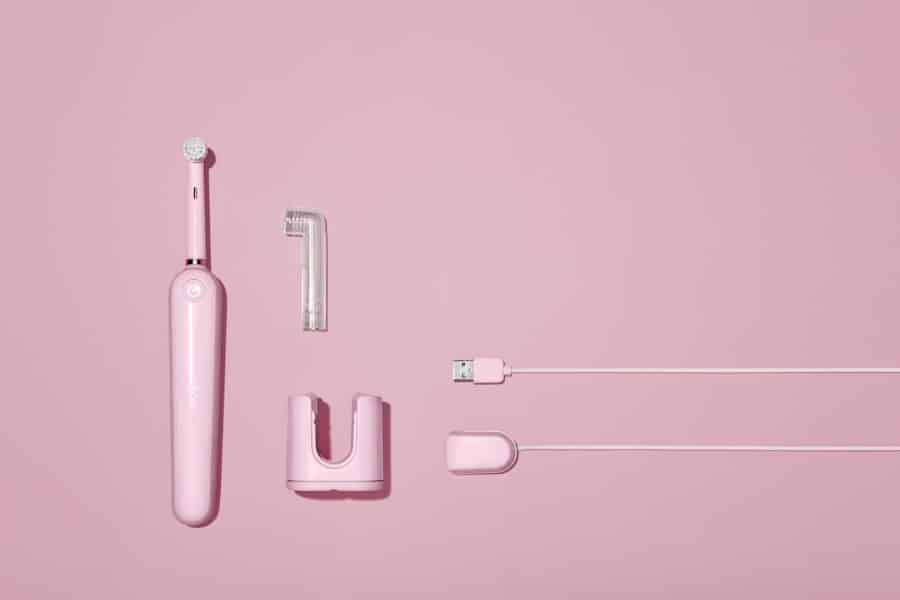
Maintaining proper oral hygiene after dental implant surgery is vital for preventing infection and promoting healing. However, you may need to adjust your usual oral care routine during the initial recovery period. Your dentist will likely recommend avoiding vigorous brushing or flossing around the surgical site for the first few days.
Instead, you can gently rinse your mouth with warm salt water to keep the area clean without causing irritation. As you heal, it is essential to gradually reintroduce your regular oral hygiene practices. Your dentist may suggest using a soft-bristled toothbrush and being extra gentle around the implant site.
Additionally, consider using an antimicrobial mouthwash to help reduce bacteria in your mouth without causing trauma to the healing tissues. Regular follow-up appointments with your dentist will also be crucial in monitoring your progress and ensuring that your oral hygiene practices are effective.
Activity and Exercise Restrictions
Physical activity is an important aspect of maintaining overall health, but after cosmetic procedures like dental implant surgery, it is essential to take a step back and allow your body to heal. In the days immediately following your surgery, you should avoid strenuous activities and heavy lifting. Engaging in high-impact exercises can increase blood flow and potentially lead to complications such as bleeding or swelling at the surgical site.
As you begin to feel better, you can gradually reintroduce light activities such as walking or gentle stretching. However, it is crucial to listen to your body and avoid pushing yourself too hard too soon. Your dentist will provide specific guidelines on when it is safe to resume more vigorous exercise routines.
By respecting these restrictions and allowing yourself adequate time to recover, you can ensure a smoother transition back into your regular fitness regimen.
Smoking and Alcohol Restrictions
Both smoking and alcohol consumption can significantly hinder the healing process after cosmetic procedures. If you are a smoker, it is highly recommended that you refrain from smoking for at least two weeks following dental implant surgery. The nicotine in cigarettes constricts blood vessels, reducing blood flow to the healing tissues and increasing the risk of complications such as infection or implant failure.
Similarly, alcohol can interfere with your body’s ability to heal effectively. It can dehydrate you and may interact negatively with any medications prescribed by your dentist. To promote optimal healing and ensure the best possible outcome from your procedure, consider abstaining from alcohol for at least a week or two post-surgery.
By making these lifestyle adjustments during your recovery period, you are taking proactive steps toward achieving the results you desire.
Makeup and Skincare Restrictions
If you’ve recently undergone a cosmetic procedure that involves facial work, such as dental implants or other facial enhancements, you may be eager to return to your regular makeup routine. However, it is essential to exercise caution during the initial healing phase. For the first few days after surgery, it is advisable to avoid applying makeup directly on or around the surgical site.
This precaution helps prevent irritation and reduces the risk of introducing bacteria into the healing area. Once you have passed the initial recovery period and received clearance from your dentist or surgeon, you can gradually reintroduce makeup into your routine. Opt for gentle products that are less likely to irritate sensitive skin.
Additionally, be mindful of skincare products; avoid harsh exfoliants or treatments that could disrupt the healing process. By taking these precautions, you can ensure that your skin remains healthy while still allowing yourself to feel confident and put-together.
Haircare and Styling Restrictions
While haircare may not seem directly related to dental implant surgery or other cosmetic procedures, it’s important to consider how certain styling practices can impact your overall comfort during recovery. If you’ve had facial work done, it’s wise to avoid hairstyles that pull tightly on the scalp or face for at least a week after surgery. Tight ponytails or braids can create unnecessary tension around sensitive areas and may lead to discomfort.
In addition to avoiding tight hairstyles, consider using gentle hair products during this time. Harsh chemicals or heavy styling products can irritate sensitive skin around the hairline or face. Instead, opt for mild shampoos and conditioners that nourish without causing irritation.
By being mindful of how you care for your hair during recovery, you can ensure that you feel comfortable while allowing yourself time to heal properly.
Follow-up Care and Consultation with Your Dentist
One of the most critical aspects of post-operative care is attending follow-up appointments with your dentist or surgeon. These visits are essential for monitoring your healing progress and addressing any concerns that may arise during recovery. Your dentist will assess how well the implants are integrating with your jawbone and check for any signs of infection or complications.
During these consultations, don’t hesitate to ask questions about any restrictions or concerns you may have regarding your recovery process. Your dentist can provide personalized recommendations based on your specific situation and help guide you through any challenges you may encounter. By prioritizing follow-up care and maintaining open communication with your dental team, you can ensure a successful recovery and achieve the best possible results from your cosmetic procedure.
In conclusion, understanding post-operative cosmetic restrictions is vital for anyone undergoing procedures like dental implants or other enhancements. By adhering to dietary guidelines, maintaining proper oral hygiene, respecting activity limitations, avoiding smoking and alcohol, being cautious with makeup and haircare, and prioritizing follow-up care with your dentist, you set yourself up for a successful recovery journey. Embrace this time as an opportunity for self-care and healing; soon enough, you’ll be able to enjoy the full benefits of your cosmetic enhancements while feeling confident in your appearance.
If you are considering getting dental implants in Chapel Hill, North Carolina, it is important to be aware of the post-op cosmetic restrictions that may apply. These restrictions are crucial for ensuring the success of your dental implant procedure and maintaining the health of your new smile. To learn more about the costs associated with dental implants in Chapel Hill, check out this informative article on Costs for Dental Implants in Chapel Hill, North Carolina.
FAQs
What are dental implants?
Dental implants are artificial tooth roots that are placed in the jaw to support a replacement tooth or bridge. They are a popular and effective long-term solution for people who have lost teeth due to periodontal disease, injury, or other reasons.
What are the post-op cosmetic restrictions after getting dental implants?
After getting dental implants, it is important to avoid smoking, as it can hinder the healing process and increase the risk of complications. Additionally, patients should avoid consuming foods and drinks that can stain the teeth, such as coffee, tea, and red wine, to maintain the cosmetic appearance of the implants.
How long do post-op cosmetic restrictions last after getting dental implants?
Post-op cosmetic restrictions after getting dental implants typically last for a few weeks to a few months, depending on the individual’s healing process and the specific instructions provided by their dentist. It is important to follow the dentist’s recommendations for the best cosmetic outcome.
Can I resume normal oral hygiene practices after getting dental implants?
Yes, it is important to resume normal oral hygiene practices after getting dental implants, including brushing and flossing regularly. However, it is important to follow any specific instructions provided by the dentist to ensure proper care of the implants and surrounding tissues.