
Dental implants have revolutionized the field of restorative dentistry, offering a permanent solution for individuals who have lost teeth due to injury, decay, or other dental issues. If you find yourself in need of tooth replacement, understanding dental implants can empower you to make informed decisions about your oral health. These implants serve as artificial tooth roots, providing a sturdy foundation for fixed or removable replacement teeth that are designed to blend seamlessly with your natural smile.
The process of getting dental implants typically involves several stages, including consultation, surgical placement, and the attachment of the prosthetic tooth. As you consider this option, it’s essential to grasp the various components involved and the materials used in their construction. This knowledge will not only help you understand the procedure better but also enable you to weigh the pros and cons of different implant types, ensuring that you choose the best option for your unique needs.
Key Takeaways
- Dental implants are a popular solution for replacing missing teeth and are typically made from titanium or zirconia materials.
- Titanium implants are known for their durability and biocompatibility, but they may cause allergic reactions in some individuals.
- Zirconia implants are aesthetically pleasing and hypoallergenic, but they are not as strong as titanium implants and may be prone to fracture.
- When comparing titanium and zirconia implants, it’s important to consider factors such as strength, aesthetics, biocompatibility, and potential allergic reactions.
- Other materials used for dental implants include ceramic, porcelain-fused-to-metal, and hybrid materials, each with their own set of benefits and drawbacks.
Types of Materials Used for Dental Implants
When it comes to dental implants, the materials used play a crucial role in their success and longevity. The most common materials include titanium and zirconia, each offering distinct advantages and disadvantages. Titanium has been the gold standard in dental implant materials for decades due to its biocompatibility and strength.
It integrates well with bone, allowing for a stable foundation for your new teeth. On the other hand, zirconia is gaining popularity as an alternative to titanium. This ceramic material is known for its aesthetic appeal, as it can be more closely matched to the color of natural teeth.
Additionally, zirconia implants are metal-free, which may be appealing if you have sensitivities or allergies to metals. As you explore your options, it’s important to consider how these materials align with your personal preferences and health considerations.
Titanium Implants: Benefits and Drawbacks
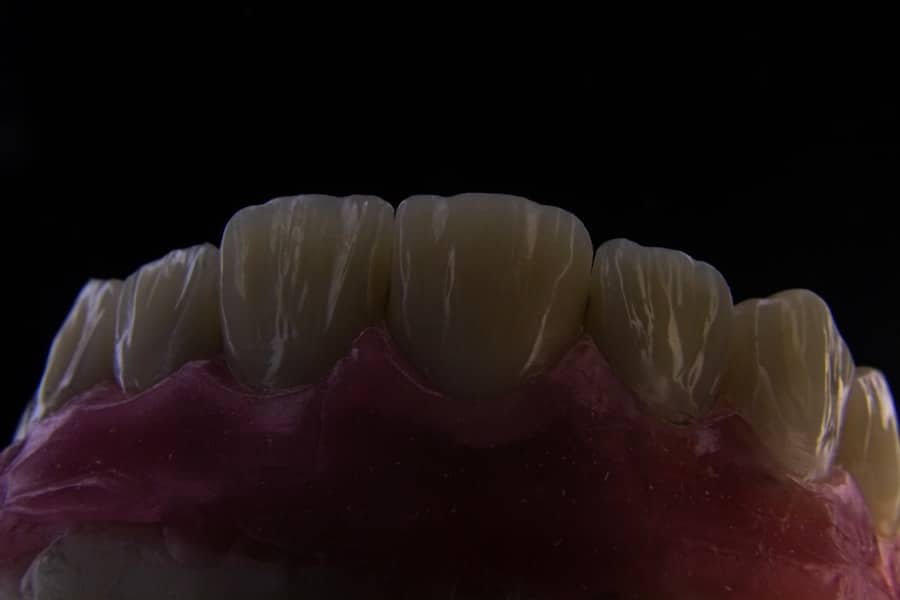
Titanium implants have long been favored in dental practices due to their remarkable strength and durability. One of the primary benefits of titanium is its ability to osseointegrate, meaning it can bond directly with the jawbone over time. This integration provides a solid anchor for your replacement teeth, ensuring they remain stable and functional for years to come.
Furthermore, titanium is resistant to corrosion and wear, making it an excellent choice for long-term use. However, titanium implants are not without their drawbacks. Some individuals may experience allergic reactions or sensitivities to titanium, although such cases are relatively rare.
Additionally, the metallic appearance of titanium can be a concern for those seeking a more natural look in their dental work. If aesthetics are a priority for you, it’s worth considering how these factors might influence your decision regarding implant materials.
Zirconia Implants: Pros and Cons
Zirconia implants present an appealing alternative to traditional titanium options, particularly for those who prioritize aesthetics. One of the standout features of zirconia is its tooth-like color, which allows for a more natural appearance once the implant is placed. This can be especially beneficial for front teeth replacements where visibility is a concern.
Moreover, zirconia is biocompatible and does not contain any metal, making it an excellent choice for individuals with metal allergies or sensitivities. Despite these advantages, zirconia implants do come with some limitations. They are generally less flexible than titanium implants, which can make them more susceptible to fracture under certain conditions.
Additionally, the surgical placement of zirconia implants may require more precision and expertise compared to titanium due to their rigidity. As you weigh your options, consider how these pros and cons align with your lifestyle and dental needs.
Comparison of Titanium and Zirconia Implants
When comparing titanium and zirconia implants, it’s essential to evaluate various factors that may influence your choice. Titanium implants have a long track record of success and are widely used in dental practices around the world. Their ability to integrate with bone effectively makes them a reliable option for many patients.
In contrast, zirconia implants offer a more aesthetically pleasing solution but may not have the same level of proven longevity as titanium. Another critical aspect to consider is the surgical procedure itself. Titanium implants can often be placed using a straightforward technique that many dentists are familiar with, while zirconia implants may require specialized training and experience.
This could impact your choice of dental provider if you lean towards zirconia. Ultimately, your decision should be based on a combination of aesthetic preferences, health considerations, and the expertise available in your area.
Other Materials Used for Dental Implants

While titanium and zirconia dominate the conversation around dental implant materials, other options exist that may suit specific needs or preferences. For instance, some researchers are exploring the use of polymer-based materials that offer flexibility and lightweight properties. These materials can be particularly beneficial in certain clinical situations where traditional options may not be ideal.
Additionally, there are advancements in bioactive glass and ceramic materials that aim to enhance osseointegration while providing aesthetic benefits. These innovative materials are still under research but show promise in expanding the range of choices available for dental implants. As you consider your options, staying informed about emerging materials can help you make a well-rounded decision that aligns with your long-term dental health goals.
Factors to Consider When Choosing Implant Materials
Choosing the right material for your dental implants involves several factors that go beyond aesthetics and strength. One crucial consideration is your overall health and any existing medical conditions that may affect healing or integration. For example, if you have a history of metal allergies or sensitivities, opting for zirconia might be more suitable for you.
Another important factor is your lifestyle and how it may impact your dental health over time. If you lead an active lifestyle or participate in contact sports, you might want to discuss with your dentist how different materials hold up under stress. Additionally, consider the long-term costs associated with each type of implant material; while titanium may have a higher upfront cost, its proven durability could save you money on replacements or repairs down the line.
Conclusion and Recommendations
In conclusion, dental implants offer a transformative solution for those seeking to restore their smiles after tooth loss. Understanding the various materials available—primarily titanium and zirconia—can significantly impact your decision-making process. Each material has its unique set of benefits and drawbacks that cater to different needs and preferences.
As you navigate this journey toward improved oral health, it’s essential to consult with a qualified dental professional who can guide you through the options based on your specific circumstances. Whether you lean towards the tried-and-true reliability of titanium or the aesthetic appeal of zirconia, being informed will empower you to make choices that align with your health goals and lifestyle preferences. Ultimately, investing time in understanding dental implants will lead you toward a confident smile that lasts a lifetime.
If you are considering getting dental implants, it is important to also be aware of the costs associated with the procedure. A related article that provides detailed information on the costs for dental implants in various locations is available