
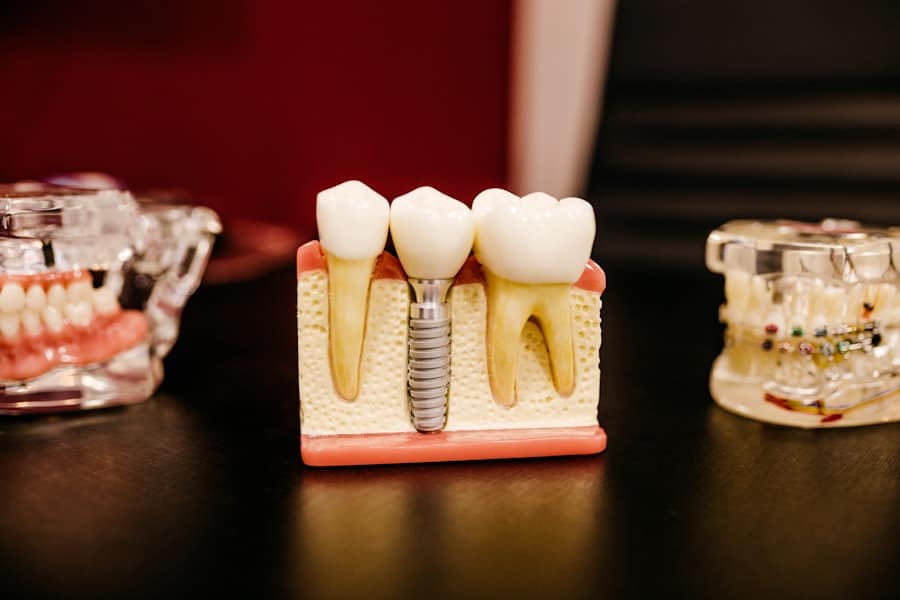
When you think about dental health, you might picture regular check-ups, cleanings, and perhaps the occasional filling. However, if you find yourself facing tooth loss, dental implants could be a viable solution for restoring your smile and functionality. A dental implant is essentially a small titanium post that is surgically placed into your jawbone, acting as a replacement root for a missing tooth.
Over time, this post fuses with the bone in a process called osseointegration, providing a stable foundation for a crown, bridge, or denture. This innovative approach not only enhances your appearance but also improves your ability to chew and speak. Understanding the components of dental implants is crucial.
The implant itself is just one part of the equation; it is typically topped with an abutment, which connects the implant to the prosthetic tooth. The final piece is the crown, which is custom-made to match your natural teeth in color and shape. This three-part system allows for a highly functional and aesthetically pleasing result.
As you consider your options, it’s essential to consult with a qualified dental professional who can assess your specific needs and determine if you are a suitable candidate for implants.
Key Takeaways
- Dental implants are a popular and effective way to replace missing teeth, providing a strong foundation for both permanent and removable replacement teeth.
- The cost of dental implants can be affected by factors such as the number of implants needed, the type of implant, and the need for additional procedures like bone grafting or sinus lifts.
- The average cost of a single dental implant can range from ,000 to ,000, but the total cost can vary widely depending on individual circumstances.
- Additional costs to consider when getting dental implants may include the cost of consultations, X-rays, anesthesia, and post-operative care.
- Financing and payment options for dental implants may include dental insurance, dental discount plans, flexible spending accounts, and payment plans offered by dental offices.
Factors Affecting the Cost of Dental Implants
The cost of dental implants can vary significantly based on several factors. One of the primary considerations is the complexity of your case. If you have sufficient bone density and health, the procedure may be straightforward, leading to lower costs.
However, if you require additional procedures such as bone grafting or sinus lifts to prepare your jaw for the implant, this will increase the overall expense. Your dentist will evaluate your oral health and may recommend imaging tests to determine the best course of action. Another factor influencing the cost is the type of implant used.
There are various brands and materials available, each with its own price point. Some implants are designed for specific situations or patient needs, which can also affect pricing. Additionally, the experience and expertise of the dental professional performing the procedure can play a significant role in cost.
Highly skilled specialists may charge more for their services, but their expertise can lead to better outcomes and fewer complications.
Average Cost of Dental Implants
On average, you can expect to pay between $3,000 and $4,500 for a single dental implant in the United States. This price typically includes the implant itself, the abutment, and the crown. However, keep in mind that this is just an estimate; actual costs can vary widely based on geographic location, the dentist’s experience, and any additional procedures required.
In some areas, particularly urban centers with higher living costs, prices may be significantly higher. If you need multiple implants or a full arch restoration, the costs can escalate quickly. Full mouth implants can range from $20,000 to $50,000 or more.
It’s essential to have a clear understanding of what is included in the quoted price. Some dental offices may offer package deals that encompass all necessary procedures, while others may charge separately for each component. Always ask for a detailed breakdown of costs before proceeding with treatment.
Additional Costs to Consider
While the primary cost of dental implants is significant, there are additional expenses that you should factor into your budget. Pre-operative assessments often involve X-rays or 3D imaging to evaluate your jawbone structure and overall oral health. These diagnostic tests can add several hundred dollars to your total bill.
Furthermore, if you require any preparatory work such as tooth extractions or bone grafting, these procedures will incur their own costs. Post-operative care is another aspect to consider. After receiving dental implants, you may need follow-up visits to ensure proper healing and integration of the implant with your jawbone.
These appointments are crucial for monitoring your progress and addressing any potential complications that may arise. Additionally, if you experience discomfort or complications after surgery, you might incur further costs for medications or additional treatments.
Financing and Payment Options for Dental Implants
Given the high cost of dental implants, many patients seek financing options to make treatment more manageable. Many dental practices offer payment plans that allow you to spread out the cost over several months or even years. These plans often come with little to no interest if paid within a specified timeframe, making them an attractive option for those who may not have immediate access to funds.
Another option is to apply for third-party financing through companies that specialize in healthcare loans. These services can provide you with a loan specifically for dental procedures, allowing you to pay off your treatment over time while receiving the care you need upfront. Be sure to read the terms carefully and understand any interest rates or fees associated with these loans before committing.
Insurance Coverage for Dental Implants

Dental insurance coverage for implants can be complex and varies widely among providers. While some plans may cover a portion of the cost associated with implants, others may not cover them at all due to their classification as a cosmetic procedure. It’s essential to review your policy carefully and consult with your insurance provider to understand what is covered.
If your insurance does provide coverage for dental implants, it may only cover certain aspects of the procedure, such as the crown or abutment but not the implant itself. Additionally, many insurance plans have annual maximums that limit how much they will pay for dental care in a given year. This means that even if your plan covers some costs, you may still be responsible for a significant portion out-of-pocket.
Finding Affordable Dental Implant Options
Finding affordable dental implant options requires some research and consideration of various factors. Start by seeking recommendations from friends or family who have undergone similar procedures. They may have insights into local dentists who offer competitive pricing without compromising quality.
You can also explore dental schools in your area. Many dental schools offer implant services at reduced rates as students perform procedures under the supervision of experienced faculty members. This option can provide significant savings while still ensuring that you receive quality care.
Just be prepared for longer appointment times as students gain hands-on experience.
Tips for Saving Money on Dental Implants
Saving money on dental implants doesn’t have to mean sacrificing quality care. One effective strategy is to shop around and obtain multiple quotes from different dental practices before making a decision. This will give you a better understanding of the average costs in your area and help you identify any practices that offer competitive pricing.
Additionally, consider timing your procedure strategically. Some dental offices may offer discounts during certain times of the year or have special promotions for new patients. Staying informed about these opportunities can lead to significant savings on your treatment.
Lastly, maintaining good oral hygiene and regular dental check-ups can help prevent future tooth loss and reduce the likelihood of needing implants altogether. By taking proactive steps in your oral health care routine, you can save money in the long run while ensuring that your smile remains healthy and vibrant. In conclusion, while dental implants represent a significant investment in your oral health and overall well-being, understanding the various factors influencing their cost can help you make informed decisions about your treatment options.
By exploring financing options, insurance coverage, and affordable alternatives, you can find a solution that fits both your needs and budget. Remember that investing in your smile is an investment in yourself—one that can lead to improved confidence and quality of life for years to come.
If you are considering getting dental implants, you may want to check out this comprehensive guide to cost. This article provides detailed information on the expenses associated with dental implants, including factors that can affect the overall cost. For more specific information on the cost of dental implants in different locations, you can also read about the costs for dental implants in Houston, Texas, Stockton, California, and Cypress, California. These articles provide valuable insights into the cost of dental implants in different regions, helping you make an informed decision about your dental health.
FAQs
What are dental implants?
Dental implants are artificial tooth roots that are placed into the jaw to hold a replacement tooth or bridge. They provide a strong foundation for fixed or removable replacement teeth.
How much do dental implants cost?
The cost of dental implants can vary depending on factors such as the number of implants needed, the type of implant, the location of the dental clinic, and any additional procedures required. On average, the cost of a single dental implant can range from $1,000 to $3,000.
Are dental implants covered by insurance?
Some dental insurance plans may cover a portion of the cost of dental implants, but coverage can vary widely. It’s important to check with your insurance provider to understand what is covered and what out-of-pocket expenses you may incur.
What are the benefits of dental implants?
Dental implants offer several benefits, including improved appearance, better speech, enhanced comfort, easier eating, and improved oral health. They are also durable and can last a lifetime with proper care.
What is the process for getting dental implants?
The process for getting dental implants typically involves a consultation, implant placement surgery, healing period, and placement of the artificial tooth or teeth. The entire process can take several months to complete.
What are the potential risks and complications of dental implants?
While dental implants have a high success rate, there are potential risks and complications, such as infection, nerve damage, implant failure, and sinus problems. It’s important to discuss these risks with your dentist before undergoing the procedure.