
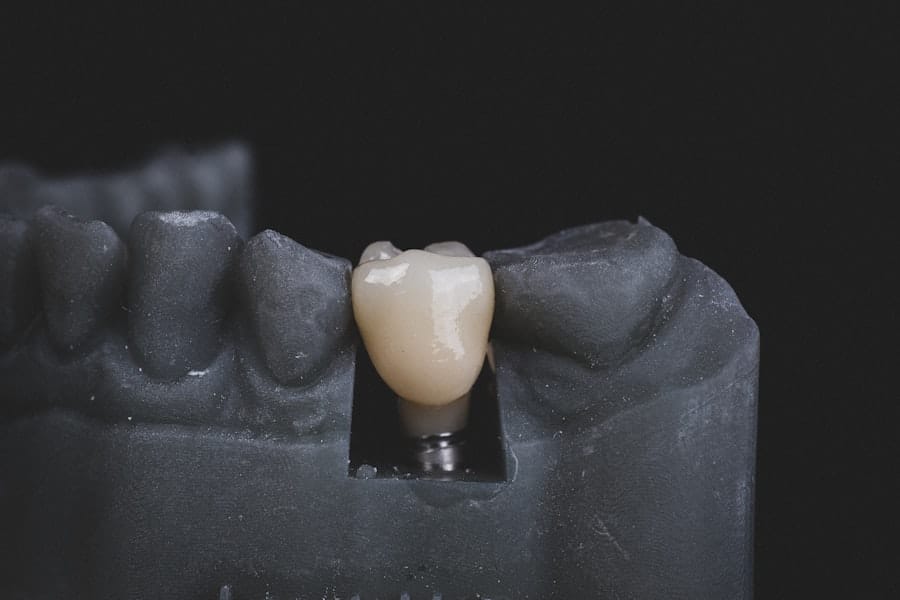
When you think about dental implants, it’s essential to grasp what they truly are and how they function. Dental implants are artificial tooth roots, typically made from titanium, that are surgically placed into your jawbone. They serve as a sturdy foundation for fixed or removable replacement teeth that are designed to blend seamlessly with your natural teeth.
Unlike dentures, which can slip and cause discomfort, implants provide a permanent solution that mimics the look and feel of real teeth. This innovative approach not only restores your smile but also enhances your ability to chew and speak confidently. The process of getting dental implants involves several stages, starting with a thorough evaluation of your oral health.
Your jawbone must be strong enough to support the implant, which may require additional procedures like bone grafting if there is significant bone loss. Once the implant is placed, it undergoes a healing process called osseointegration, where the bone grows around the implant, securing it in place. This integration is crucial for the longevity and stability of the implant.
Understanding these fundamentals can help you appreciate the importance of choosing the right surgeon for your procedure.
Key Takeaways
- Dental implants are a permanent solution for missing teeth, providing a natural look and feel.
- Choose a surgeon with extensive experience and specialized training in dental implant surgery.
- Research potential surgeons by reading reviews, checking qualifications, and asking for referrals.
- During the consultation, the surgeon should thoroughly evaluate your oral health and discuss treatment options.
- Open communication and trust between the patient and surgeon are essential for a successful dental implant procedure.
Qualifications and Experience of the Surgeon
When considering dental implants, one of the most critical factors is the qualifications and experience of the surgeon performing the procedure. You want to ensure that your surgeon has the necessary credentials, such as a dental degree and specialized training in implantology. Many dentists pursue additional education and certifications to enhance their skills in this area, so it’s worth asking about their specific training related to dental implants.
A qualified surgeon will not only have the technical skills but also a deep understanding of the complexities involved in implant placement. Experience plays a significant role in the success of dental implant procedures. A surgeon who has performed numerous implants will likely have encountered various challenges and developed effective strategies to address them.
You should inquire about their track record, including success rates and any complications they may have faced. A seasoned professional will be able to provide you with case studies or testimonials from previous patients, giving you confidence in their abilities. Ultimately, selecting a surgeon with both qualifications and extensive experience can significantly impact your overall satisfaction with the procedure.
Researching and Selecting a Surgeon
The process of researching and selecting a surgeon for your dental implants can feel overwhelming, but it’s crucial for ensuring a successful outcome. Start by seeking recommendations from friends, family, or your general dentist. Personal experiences can provide valuable insights into a surgeon’s skills and bedside manner.
Additionally, online reviews and testimonials can offer a broader perspective on patient satisfaction and outcomes. Websites dedicated to healthcare ratings can also be useful resources for gathering information about potential surgeons. Once you have a list of potential candidates, take the time to investigate their credentials further.
Check if they are board-certified and affiliated with reputable dental organizations. You might also want to visit their practice’s website to learn more about their approach to dental implants and any advanced technologies they utilize. After narrowing down your options, consider scheduling consultations with a few surgeons.
This will allow you to gauge their communication style, ask questions about their experience, and assess whether you feel comfortable entrusting them with your care.
Consultation and Evaluation Process
The consultation and evaluation process is a pivotal step in your journey toward receiving dental implants. During this initial meeting, the surgeon will conduct a comprehensive assessment of your oral health, including X-rays or 3D imaging to evaluate your jawbone structure. This evaluation is essential for determining whether you are a suitable candidate for implants and what specific procedures may be necessary to prepare your mouth for surgery.
In addition to assessing your physical condition, this consultation is an opportunity for you to discuss your goals and expectations regarding the procedure. Be open about any concerns you may have, as this will help the surgeon tailor their approach to meet your needs. They should provide you with detailed information about the entire process, including timelines, potential risks, and expected outcomes.
A thorough consultation not only helps establish a treatment plan but also fosters a sense of partnership between you and your surgeon.
Communication and Trust
Effective communication is vital when it comes to any medical procedure, especially one as intricate as dental implants. You should feel comfortable discussing your concerns and asking questions throughout the process. A good surgeon will encourage open dialogue and take the time to explain complex concepts in a way that you can understand.
This level of communication fosters trust, which is essential for a successful patient-surgeon relationship. Trust is built over time through consistent interactions and transparency. You should feel confident that your surgeon has your best interests at heart and is committed to providing high-quality care.
If at any point you feel rushed or dismissed during consultations, it may be worth considering other options. A trustworthy surgeon will prioritize your comfort and satisfaction, ensuring that you are fully informed every step of the way.
Surgical Technique and Technology

Minimally Invasive Techniques for Faster Recovery
Some surgeons may use minimally invasive techniques, which reduce trauma to surrounding tissues, leading to quicker recovery times and less discomfort post-surgery. It is crucial to discuss these options during the consultation phase and ask about the specific techniques they use and how they incorporate technology into their practice.
Making an Informed Choice
Understanding these aspects can give you more confidence in your surgeon and the overall approach to your dental implant procedure.
Post-Operative Care and Follow-Up
Post-operative care is a crucial component of the dental implant process that should not be overlooked. After surgery, you will receive specific instructions on how to care for your mouth during the healing phase. This may include guidelines on diet, oral hygiene practices, and pain management strategies.
Following these instructions diligently can significantly impact your recovery experience and the long-term success of your implants. Regular follow-up appointments with your surgeon are also essential for monitoring your healing progress. During these visits, your surgeon will assess how well the implant is integrating with your jawbone and address any concerns you may have.
These check-ups provide an opportunity for you to ask questions about your recovery and ensure that everything is proceeding as expected. Staying engaged in your post-operative care demonstrates your commitment to achieving optimal results from your dental implants.
Cost and Financing Options
Understanding the cost of dental implants is an important aspect of planning for this procedure. The price can vary widely based on factors such as the complexity of your case, the materials used for the implants, and the experience level of the surgeon. It’s essential to have an open discussion about costs during your consultations so that you can make informed decisions regarding your treatment options.
Fortunately, many dental practices offer financing options or payment plans to help make dental implants more accessible. Some insurance plans may also cover a portion of the costs associated with implants, so it’s worth checking with your provider to understand what benefits may apply. By exploring various financing options, you can find a solution that fits within your budget while still allowing you to achieve the smile you desire.
In conclusion, embarking on the journey toward dental implants requires careful consideration of various factors, from understanding what implants are to selecting a qualified surgeon who communicates effectively with you throughout the process. By prioritizing research, consultation, and post-operative care, you can ensure a successful outcome that enhances both your oral health and overall quality of life.
If you are considering getting dental implants, it is crucial to choose the right surgeon for the job. A comprehensive guide to selecting the best surgeon can be found in this informative article on Costs for Dental Implants in Bozeman, Montana. This article provides valuable insights and tips on how to make an informed decision when choosing a surgeon for your dental implant procedure. It is essential to do thorough research and consider factors such as experience, qualifications, and patient reviews before making your final decision.
FAQs
What are dental implants?
Dental implants are artificial tooth roots that are placed into the jaw to hold a replacement tooth or bridge. They provide a strong foundation for fixed or removable replacement teeth.
Who is a good candidate for dental implants?
Good candidates for dental implants are individuals with good oral health, enough bone in the jaw to support the implant, and healthy gum tissues. They should also be committed to maintaining good oral hygiene and regular dental visits.
What are the benefits of dental implants?
Dental implants offer several benefits, including improved appearance, speech, comfort, and oral health. They also provide better durability and convenience compared to other tooth replacement options.
How do I choose the right surgeon for dental implants?
When choosing a surgeon for dental implants, it’s important to consider their experience, qualifications, and track record of successful implant procedures. Look for a surgeon who is board-certified, has specialized training in implant dentistry, and has a good reputation in the field.
What questions should I ask a potential dental implant surgeon?
When meeting with a potential dental implant surgeon, it’s important to ask about their experience with implant procedures, their success rate, the types of implants they use, the expected timeline for the procedure, and any potential risks or complications. It’s also important to inquire about the surgeon’s post-operative care and follow-up procedures.
What is the success rate of dental implant surgery?
The success rate of dental implant surgery is high, with an average success rate of 95% or higher. However, the success of the procedure depends on various factors, including the patient’s overall health, oral hygiene, and the skill of the surgeon.
What is the recovery process like after dental implant surgery?
The recovery process after dental implant surgery can vary from person to person, but generally involves some discomfort and swelling for a few days. Patients are typically advised to stick to a soft diet and avoid strenuous activities during the initial healing period. It may take several months for the implant to fully integrate with the jawbone.
What are the potential risks and complications of dental implant surgery?
Potential risks and complications of dental implant surgery may include infection, damage to surrounding teeth or blood vessels, nerve damage, and implant failure. However, these risks are relatively rare when the procedure is performed by a qualified and experienced surgeon.