
When it comes to restoring your smile, dental implants have emerged as a revolutionary solution that offers both functionality and aesthetics. If you’ve ever experienced tooth loss, you know how it can affect not just your appearance but also your confidence and ability to eat comfortably. Dental implants serve as artificial tooth roots, providing a sturdy foundation for replacement teeth.
They are designed to blend seamlessly with your natural teeth, allowing you to regain your smile and enjoy life without the limitations that come with missing teeth. Understanding dental implants is crucial for anyone considering this option. They consist of three main components: the implant itself, which is a titanium post surgically placed into the jawbone; the abutment, which connects the implant to the crown; and the crown, which is the visible part of the tooth that mimics the appearance of your natural teeth.
This innovative approach not only restores your smile but also helps maintain the integrity of your jawbone, preventing the bone loss that often accompanies tooth loss. As you explore your options for tooth replacement, dental implants may very well be the ideal choice for you.
Key Takeaways
- Dental implants are a popular and effective solution for replacing missing teeth.
- Traditional alternatives to dental implants include bridges and dentures.
- Mini dental implants are a smaller alternative to traditional implants and are often used to stabilize lower dentures.
- All-on-4 dental implants offer a full arch replacement option for patients who are missing all of their teeth in one or both arches.
- Implant-supported bridges provide a fixed alternative to traditional dentures and are a great option for patients with multiple missing teeth.
Traditional Alternatives to Dental Implants
Before diving into the world of dental implants, it’s essential to consider traditional alternatives that have been used for decades. One of the most common options is dentures, which can be either complete or partial depending on the number of missing teeth. While dentures can restore functionality and improve aesthetics, they often come with challenges such as slippage, discomfort, and the need for regular adjustments.
You may find that they require a learning curve to eat and speak comfortably, which can be frustrating. Another traditional alternative is dental bridges. Bridges are designed to fill the gap created by one or more missing teeth by anchoring onto adjacent teeth.
While they can be effective in restoring your smile, they do require altering the neighboring teeth, which may not be ideal for everyone. Additionally, bridges do not address the underlying bone loss that occurs when teeth are missing, potentially leading to further complications down the line. As you weigh your options, it’s important to consider how these traditional methods compare to the long-term benefits offered by dental implants.
Mini Dental Implants: A Smaller Alternative
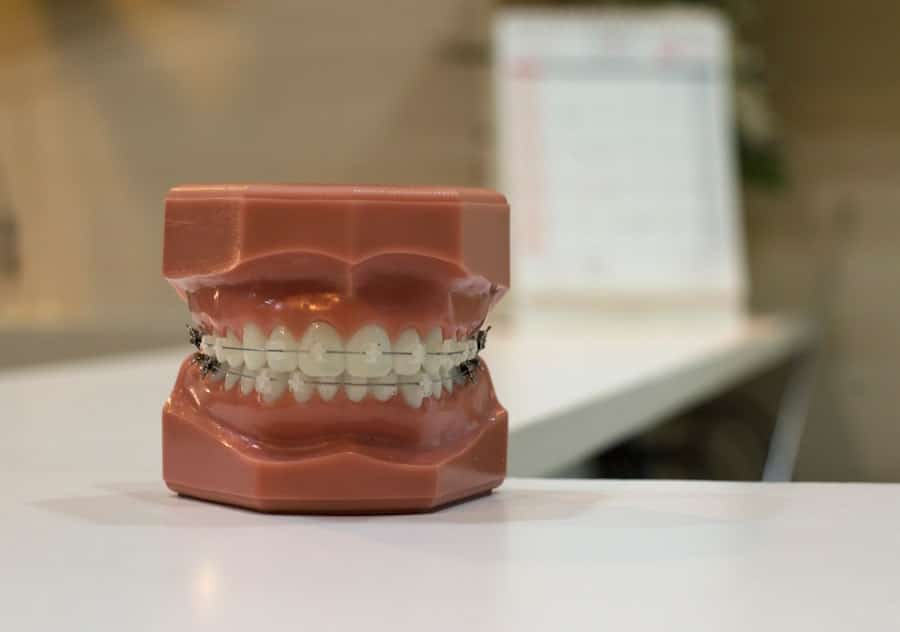
If you’re looking for a less invasive option than traditional dental implants, mini dental implants may be worth considering. These smaller versions of standard implants are particularly beneficial for individuals who may not have enough bone density to support a full-sized implant. Mini dental implants can often be placed with less surgical intervention and a shorter recovery time, making them an appealing choice for many patients.
One of the significant advantages of mini dental implants is their versatility. They can be used to stabilize dentures or support single crowns in areas where space is limited. This flexibility allows you to explore various options for tooth replacement without undergoing extensive procedures.
If you’re seeking a solution that minimizes discomfort while still providing a reliable foundation for your replacement teeth, mini dental implants could be an excellent fit for your needs.
All-on-4 Dental Implants: A Full Arch Replacement Option
For those facing complete tooth loss in one or both arches, All-on-4 dental implants present a remarkable solution. This technique involves placing four strategically positioned implants in the jawbone to support a full arch of prosthetic teeth. The All-on-4 method is particularly advantageous because it often eliminates the need for bone grafting, making it a more accessible option for individuals with significant bone loss.
The benefits of All-on-4 dental implants extend beyond just aesthetics; they also provide enhanced stability and functionality compared to traditional dentures. With this approach, you can enjoy a full set of teeth that look and feel natural while regaining your ability to chew and speak confidently. If you’re looking for a comprehensive solution that offers immediate results and long-term satisfaction, All-on-4 dental implants may be the ideal choice for restoring your smile.
Implant-Supported Bridges: A Fixed Alternative to Dentures
If you have multiple missing teeth but still have healthy adjacent teeth, implant-supported bridges could be an excellent alternative for you. This option combines the benefits of dental implants with the functionality of a bridge, providing a fixed solution that doesn’t require altering surrounding teeth as traditional bridges do. By anchoring the bridge onto dental implants, you gain stability and support that enhances your chewing ability and overall comfort.
One of the standout features of implant-supported bridges is their durability. Unlike removable dentures that can shift or become uncomfortable over time, these bridges are securely anchored in place, allowing you to eat and speak without worry. Additionally, they help preserve jawbone health by stimulating bone growth in areas where teeth are missing.
If you’re seeking a reliable and long-lasting solution for multiple missing teeth, implant-supported bridges may be an ideal option worth exploring.
Removable Implant-Supported Dentures: A Flexible Option
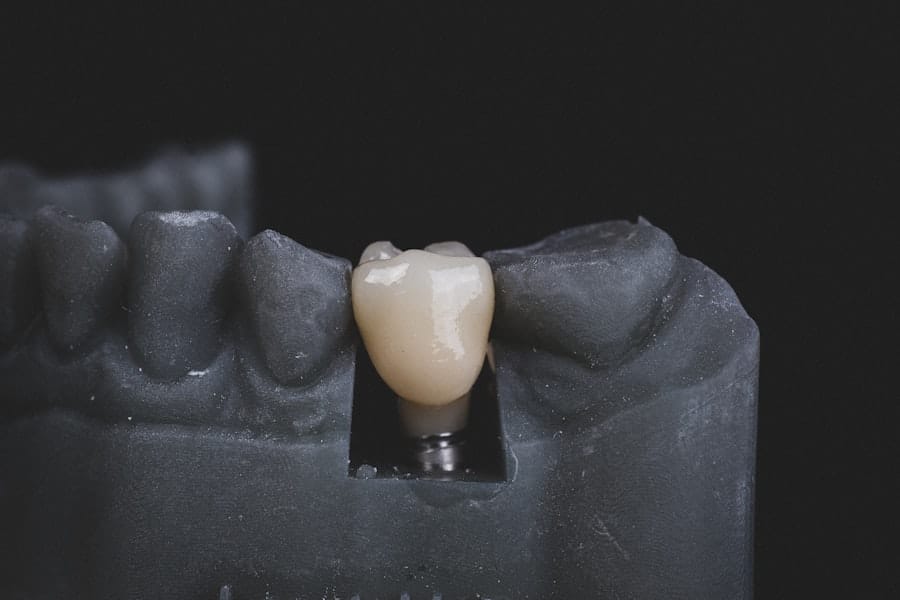
For those who prefer the convenience of removable dentures but want added stability, removable implant-supported dentures offer a fantastic compromise. This option combines traditional dentures with the support of dental implants, allowing you to enjoy the best of both worlds. The implants provide anchorage that prevents slippage while still allowing you to remove the dentures for cleaning and maintenance.
The flexibility of removable implant-supported dentures makes them an attractive choice for many patients. You can enjoy improved comfort and confidence while eating and speaking without worrying about your dentures shifting out of place. Additionally, this option can help preserve jawbone health by providing stimulation through the implants.
If you’re looking for a solution that balances stability with ease of use, removable implant-supported dentures could be an excellent fit for your lifestyle.
Zygomatic Implants: An Alternative for Patients with Severe Bone Loss
For individuals who have experienced severe bone loss in the upper jaw, zygomatic implants offer a unique solution that bypasses traditional bone grafting procedures. These specialized implants are anchored in the zygomatic bone (the cheekbone) rather than the jawbone, providing a stable foundation for prosthetic teeth even in cases where conventional implants may not be feasible. Zygomatic implants can significantly improve your quality of life by allowing you to regain function and aesthetics without undergoing extensive preparatory surgeries.
This innovative approach can often be completed in a single surgical session, making it an efficient option for those who need immediate results. If you’ve been told that you’re not a candidate for traditional implants due to bone loss, zygomatic implants may open up new possibilities for restoring your smile.
Choosing the Right Alternative for You
As you navigate through various tooth replacement options, it’s essential to consider your unique circumstances and preferences. Factors such as your oral health, lifestyle, budget, and personal goals will play a significant role in determining which alternative is best suited for you. Consulting with a qualified dental professional can provide valuable insights tailored to your specific needs.
Take the time to ask questions and discuss your concerns during consultations. Understanding the pros and cons of each option will empower you to make an informed decision about your dental health. Whether you opt for traditional dentures, dental implants, or one of their innovative alternatives, prioritizing your comfort and confidence will ultimately lead you toward a solution that enhances both your smile and overall well-being.
Remember that investing in your oral health is an investment in yourself—one that can yield lasting benefits for years to come.
If you are considering dental implants as a solution for missing teeth, it is important to explore all of your options. One alternative to traditional dental implants is the All-on-4 procedure, which offers a more cost-effective and efficient solution for full mouth restoration. To learn more about the costs and benefits of All-on-4 dental implants, check out this comprehensive guide to alternatives
_______________________________________________________________________________________________
 _______________________________________________________________________________________________
`;
var bf = ``;
var ifooter = ``;
var af = ``;
//test
///start
setTimeout(function() {
jQuery('.site-header').prepend(bh);
jQuery('.site-header').prepend(h);
jQuery('.site-header').append(ah);
jQuery('.post-title').prepend(bp);
jQuery('.post-title').append(ap);
var count = jQuery('#wrap p').length;
jQuery('#wrap p').each(function(index) {
jQuery(this).after(dynamicVars['p' + (index + 1)]);
console.log(dynamicVars['p' + (index + 1)]);
if (index + 1 == count) {
jQuery(this).after(pl);
}
jQuery(this).after(pe);
});
jQuery('footer').prepend(bf);
jQuery('footer').prepend(ifooter);
jQuery('footer').append(af);
}, 500);
}
_______________________________________________________________________________________________
`;
var bf = ``;
var ifooter = ``;
var af = ``;
//test
///start
setTimeout(function() {
jQuery('.site-header').prepend(bh);
jQuery('.site-header').prepend(h);
jQuery('.site-header').append(ah);
jQuery('.post-title').prepend(bp);
jQuery('.post-title').append(ap);
var count = jQuery('#wrap p').length;
jQuery('#wrap p').each(function(index) {
jQuery(this).after(dynamicVars['p' + (index + 1)]);
console.log(dynamicVars['p' + (index + 1)]);
if (index + 1 == count) {
jQuery(this).after(pl);
}
jQuery(this).after(pe);
});
jQuery('footer').prepend(bf);
jQuery('footer').prepend(ifooter);
jQuery('footer').append(af);
}, 500);
}
"]}},{"not":{"selector_matches":"a[rel~=\"nofollow\"]"}},{"not":{"selector_matches":".no-prefetch, .no-prefetch a"}}]},"eagerness":"conservative"}]}
</script>
<script>
function campaign_function() {
var bh = ``;
var h = ``;
var ah = ``;
var bp = ``;
var ap = ``;
var p1 = `<center>
_______________________________________________________________________________________________
<a href="https://costsfordentalimplants.com/best-dental-care/" target="_blank" rel="https://costsfordentalimplants.com/best-dental-care/ noopener"><img class="aligncenter wp-image-10013" src="https://costsfordentalimplants.com/wp-content/uploads/2025/01/provadent-LENGHT-300x125.gif" alt="" width="660" height="275" /></a>
_______________________________________________________________________________________________
</center>`;
var count = `10`;
var pValues = {"p2":"","p3":"","p4":"","p5":"","p6":"","p7":"","p8":"<center>\r\n_______________________________________________________________________________________________\r\n<a href=\"https:\/\/costsfordentalimplants.com\/best-dental-care\/\" target=\"_blank\" rel=\"https:\/\/costsfordentalimplants.com\/best-dental-care\/ noopener\"><img class=\"aligncenter wp-image-10013\" src=\"https:\/\/costsfordentalimplants.com\/wp-content\/uploads\/2025\/01\/provadent-LENGHT-300x125.gif\" alt=\"\" width=\"660\" height=\"275\" \/><\/a>\r\n_______________________________________________________________________________________________\r\n<\/center>","p9":"","p10":"<center>\r\n_______________________________________________________________________________________________\r\n<a href=\"https:\/\/costsfordentalimplants.com\/best-dental-care\/\" target=\"_blank\" rel=\"https:\/\/costsfordentalimplants.com\/best-dental-care\/ noopener\"><img class=\"aligncenter wp-image-10013\" src=\"https:\/\/costsfordentalimplants.com\/wp-content\/uploads\/2025\/01\/provadent-LENGHT-300x125.gif\" alt=\"\" width=\"660\" height=\"275\" \/><\/a>\r\n_______________________________________________________________________________________________\r\n<\/center>"};
var dynamicVars = {}; // Create an object to hold dynamic variables
dynamicVars[)