
When it comes to restoring your smile, dental implants have emerged as a leading solution for replacing missing teeth. These implants not only provide a functional alternative but also help maintain the structure of your jawbone, preventing further dental issues. However, the success of dental implants largely depends on the materials used in their construction.
Understanding the various dental implant materials available can empower you to make informed decisions about your oral health. Dental implants are typically composed of a few key materials, each with its own unique properties and benefits. The choice of material can influence the longevity of the implant, its integration with your bone, and even the overall aesthetic outcome.
As you delve into the world of dental implants, you will discover that the right material can significantly enhance your experience and satisfaction with the procedure.
Key Takeaways
- Dental implant materials play a crucial role in the success of dental implant procedures.
- Common types of dental implant materials include titanium, zirconia, and ceramic.
- Each dental implant material has its own set of advantages and disadvantages, such as strength, aesthetics, and cost.
- Biocompatibility and longevity are important factors to consider when choosing dental implant materials.
- When choosing dental implant materials, factors such as patient’s oral health, bone density, and personal preferences should be taken into account.
Types of Dental Implant Materials
The most commonly used material for dental implants is titanium. Renowned for its strength and biocompatibility, titanium has been a staple in dental implantology for decades. Its ability to fuse with bone—a process known as osseointegration—makes it an ideal choice for providing a stable foundation for artificial teeth.
You may find that titanium implants come in various forms, including pure titanium and titanium alloys, each designed to meet specific clinical needs. Another emerging material in the realm of dental implants is zirconia. This ceramic material is gaining popularity due to its aesthetic appeal and biocompatibility.
Zirconia implants are often favored for their tooth-like color, making them an excellent choice for individuals concerned about the visibility of metal in their smiles. While zirconia offers a more natural appearance, it is essential to consider its mechanical properties compared to titanium, as it may not be suitable for all patients or situations.
Advantages and Disadvantages of Different Dental Implant Materials
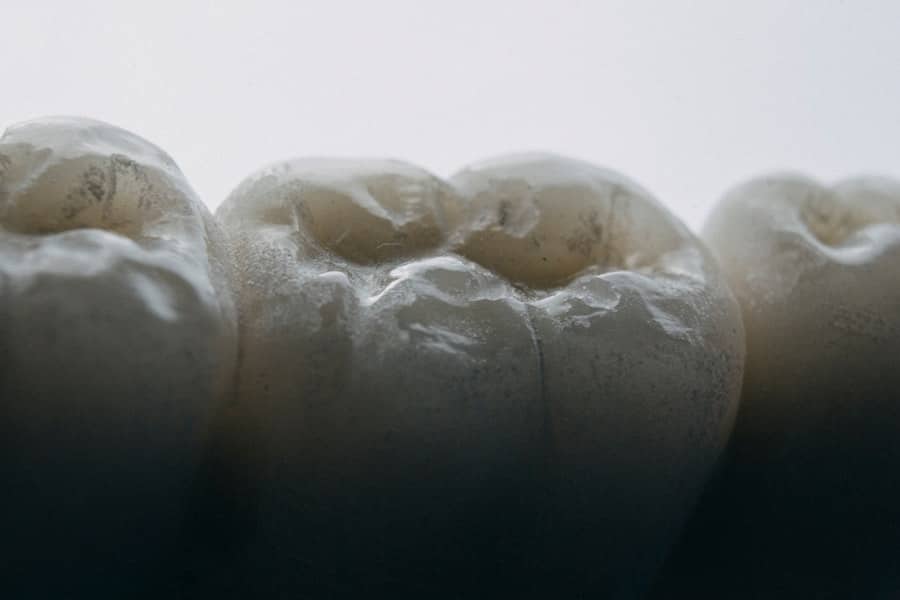
Each type of dental implant material comes with its own set of advantages and disadvantages that you should weigh carefully. Titanium implants are celebrated for their durability and long-term success rates. They have been extensively studied and have a proven track record in clinical settings.
However, some individuals may experience allergic reactions or sensitivities to metals, which could limit their suitability for titanium implants. On the other hand, zirconia implants offer a metal-free alternative that appeals to those with metal sensitivities or aesthetic concerns. Their natural color blends seamlessly with surrounding teeth, providing a more visually appealing result.
However, zirconia may not be as strong as titanium, which could pose challenges in certain cases, particularly in areas where significant chewing forces are present. Understanding these pros and cons will help you make a more informed choice based on your specific needs and preferences.
Biocompatibility and Longevity of Dental Implant Materials
Biocompatibility is a crucial factor when considering dental implant materials. It refers to how well a material interacts with your body without causing adverse reactions. Titanium has long been recognized for its excellent biocompatibility, allowing it to integrate effectively with bone tissue.
This property contributes to the longevity of titanium implants, which can last for many years—often decades—with proper care. Zirconia also boasts impressive biocompatibility, making it a suitable option for many patients. Its inert nature means that it is less likely to provoke inflammation or rejection by your body.
However, while both materials have shown promising longevity, titanium’s established history in dental applications gives it an edge in terms of long-term predictability. As you consider your options, it’s essential to discuss these factors with your dentist to determine which material aligns best with your health profile and lifestyle.
Considerations for Choosing Dental Implant Materials
When selecting the right dental implant material for yourself, several factors come into play. Your overall health, lifestyle habits, and personal preferences should all be considered in this decision-making process. For instance, if you have a history of metal allergies or sensitivities, zirconia may be the more appropriate choice for you.
Conversely, if you prioritize durability and long-term success rates, titanium could be the better option. Additionally, the location of the implant within your mouth can influence your choice of material. Implants placed in areas that experience significant chewing forces may benefit from the strength of titanium, while those in less demanding locations might be well-suited for zirconia.
Engaging in an open dialogue with your dental professional will help you navigate these considerations effectively and arrive at a decision that aligns with your unique circumstances.
Innovations in Dental Implant Materials
The field of dental implant materials is continually evolving, with researchers and manufacturers striving to develop innovative solutions that enhance patient outcomes. One notable advancement is the introduction of surface modifications on titanium implants. These modifications aim to improve osseointegration by increasing the surface area available for bone contact and promoting faster healing times.
Such innovations can lead to quicker recovery periods and improved success rates for patients. Another exciting development is the exploration of bioactive materials that can actively promote bone growth around implants. These materials release growth factors or other bioactive substances that encourage natural healing processes within your body.
As these technologies advance, they hold the potential to revolutionize how dental implants are placed and integrated into your oral structure.
Future Trends in Dental Implant Materials
Looking ahead, several trends are likely to shape the future landscape of dental implant materials. One such trend is the increasing focus on personalized medicine, where treatments are tailored to individual patients based on their unique biological profiles. This approach could lead to the development of custom-made implants that optimize compatibility and integration with your specific anatomy.
Additionally, advancements in 3D printing technology are poised to transform the production of dental implants. This technology allows for precise customization and rapid prototyping of implant designs, potentially reducing costs and improving accessibility for patients. As these trends continue to unfold, you can expect a more patient-centered approach to dental implantology that prioritizes both functionality and aesthetics.
Choosing the Right Dental Implant Material for You
In conclusion, selecting the right dental implant material is a critical step in ensuring a successful outcome for your oral health journey. By understanding the various types of materials available—such as titanium and zirconia—you can weigh their advantages and disadvantages based on your individual needs and preferences. Factors like biocompatibility, longevity, and innovations in technology will also play a significant role in your decision-making process.
Ultimately, collaborating closely with your dental professional will empower you to make an informed choice that aligns with your health goals and lifestyle. As advancements continue to emerge in the field of dental implant materials, you can feel confident that there are options available that will help restore not just your smile but also your quality of life. Embrace this opportunity to explore what modern dentistry has to offer and take proactive steps toward achieving optimal oral health through carefully chosen dental implant materials.
If you are considering dental implants, it is important to understand the different materials used in the process. Titanium is the most commonly used material for dental implants due to its biocompatibility and strength. However, there are other materials such as zirconia that are also being used in some cases. To learn more about the costs associated with dental implants in different locations, check out this article on Costs for Dental Implants in Escondido, California.
FAQs
What are dental implant materials?
Dental implant materials are the substances used to create the artificial tooth roots that are implanted into the jawbone to support dental prosthetics such as crowns, bridges, or dentures.
What are the common materials used for dental implants?
The most common materials used for dental implants are titanium and zirconia. Titanium implants are known for their strength, durability, and biocompatibility, while zirconia implants are valued for their natural appearance and biocompatibility.
What are the advantages of titanium dental implants?
Titanium dental implants are known for their high success rate, biocompatibility, and ability to fuse with the jawbone. They are also lightweight, strong, and resistant to corrosion.
What are the advantages of zirconia dental implants?
Zirconia dental implants are valued for their natural appearance, biocompatibility, and resistance to plaque and bacteria. They are also hypoallergenic and do not conduct heat or cold.
Are there any other materials used for dental implants?
In addition to titanium and zirconia, other materials such as ceramic and certain types of alloys have been used for dental implants. However, titanium and zirconia are the most commonly used materials due to their proven track record and biocompatibility.
How do I choose the right dental implant material for me?
The choice of dental implant material depends on various factors such as the patient’s oral health, bone density, aesthetic preferences, and the recommendation of the dental implant specialist. It is important to consult with a qualified dentist or oral surgeon to determine the most suitable material for your specific needs.