
Maintaining your dental implants is crucial for ensuring their longevity and functionality. Just like natural teeth, dental implants require consistent care to prevent complications and preserve your oral health. When you invest in dental implants, you are not only enhancing your smile but also improving your overall quality of life.
However, neglecting proper maintenance can lead to issues such as infection, implant failure, or even bone loss. Therefore, understanding the importance of dental implant maintenance is essential for anyone who has undergone this procedure. Moreover, the success of dental implants largely depends on how well you take care of them post-surgery.
Regular maintenance helps to keep the surrounding gum tissue healthy and free from infection. This is particularly important because the health of your gums directly affects the stability of the implant. By prioritizing maintenance, you can enjoy the benefits of your dental implants for many years, allowing you to eat, speak, and smile with confidence.
Key Takeaways
- Regular maintenance of dental implants is crucial for their long-term success and durability.
- Daily care and hygiene practices, such as brushing and flossing, are essential for maintaining the health of dental implants.
- Regular dental check-ups and cleanings help to monitor the condition of dental implants and prevent potential complications.
- Being aware of potential complications and warning signs, such as pain or swelling, is important for early intervention and treatment.
- Following a balanced diet and avoiding harmful habits, such as smoking, can contribute to the longevity of dental implants.
Daily Care and Hygiene for Dental Implants
Daily care and hygiene are fundamental aspects of maintaining your dental implants. You should treat your implants with the same level of care as you would your natural teeth. This means brushing at least twice a day with a soft-bristled toothbrush and fluoride toothpaste.
Be sure to pay special attention to the areas around the implants, as plaque can accumulate there just as it does around natural teeth. Flossing is equally important; using a floss threader or interdental brushes can help you clean between the implants and adjacent teeth effectively. In addition to brushing and flossing, consider incorporating an antibacterial mouthwash into your daily routine.
This can help reduce plaque buildup and keep your mouth fresh. You might also want to explore water flossers, which can be particularly effective for cleaning around dental implants. By establishing a consistent daily care routine, you can significantly reduce the risk of complications and ensure that your dental implants remain in excellent condition.
Regular Dental Check-ups and Cleanings
Regular dental check-ups and cleanings are vital for maintaining the health of your dental implants. Even if you feel that everything is fine, visiting your dentist at least twice a year is essential for preventive care. During these visits, your dentist will assess the condition of your implants and surrounding tissues, checking for any signs of infection or other issues that may arise over time.
Early detection of potential problems can save you from more extensive treatments down the line. Professional cleanings are equally important as they help remove tartar buildup that regular brushing may miss. Your dental hygienist will use specialized tools to clean around your implants thoroughly, ensuring that your oral environment remains healthy.
These appointments also provide an opportunity for you to ask questions about your oral care routine and receive personalized advice tailored to your specific needs. By committing to regular check-ups and cleanings, you are taking proactive steps toward ensuring the long-term success of your dental implants.
Potential Complications and Warning Signs
While dental implants are generally safe and effective, it is essential to be aware of potential complications that may arise. One common issue is peri-implantitis, an inflammatory condition affecting the gum tissue around the implant. Symptoms may include redness, swelling, or bleeding gums, which should not be ignored.
If you notice any of these warning signs, it is crucial to contact your dentist promptly to address the issue before it escalates. Another complication could be implant failure, which may occur due to various factors such as insufficient bone density or improper placement during surgery. Signs of implant failure can include persistent pain, mobility of the implant, or changes in the surrounding gum tissue.
Being vigilant about these warning signs allows you to seek timely intervention and potentially salvage your investment in dental implants. Remember that early detection is key to preventing more severe complications.
Dietary Considerations for Dental Implants
Your diet plays a significant role in the success and longevity of your dental implants. After receiving implants, it is advisable to follow a soft-food diet during the initial healing phase to avoid putting undue pressure on the surgical site. Foods like yogurt, mashed potatoes, and smoothies can provide essential nutrients while being gentle on your healing gums.
As you progress in your recovery, gradually reintroducing firmer foods is essential but do so with caution. Long-term dietary considerations also matter for maintaining healthy dental implants. A balanced diet rich in vitamins and minerals supports overall oral health and strengthens bone density, which is crucial for implant stability.
Foods high in calcium and vitamin D are particularly beneficial as they promote healthy bone growth. Additionally, limiting sugary snacks and acidic beverages can help prevent plaque buildup and protect both your natural teeth and implants from decay.
Proper Oral Care Products for Dental Implants

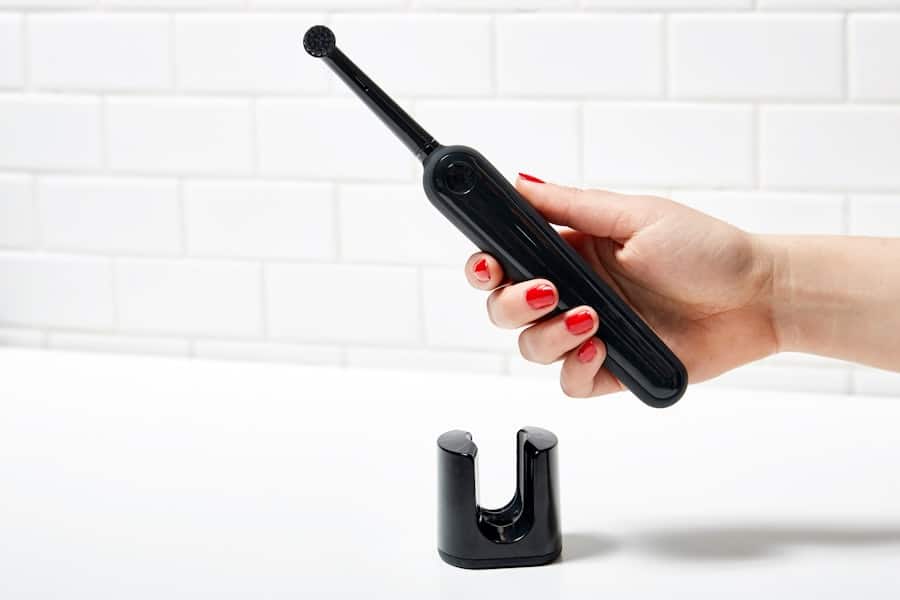
Choosing the right oral care products is essential for maintaining your dental implants effectively. Look for toothbrushes designed specifically for implant care; these often feature softer bristles that are gentle on both the gums and the implant surface. Additionally, consider using non-abrasive toothpaste that won’t scratch or damage the implant material.
Flossing is another critical aspect of oral care for those with dental implants. Traditional floss may not always be effective in cleaning around implants; therefore, specialized floss or interdental brushes can be beneficial. These tools allow you to reach tight spaces between teeth and around implants more effectively.
Furthermore, an antimicrobial mouthwash can help reduce bacteria in your mouth, contributing to better overall oral hygiene.
Lifestyle Habits and Their Impact on Dental Implants
Your lifestyle habits can significantly impact the health and longevity of your dental implants. For instance, smoking is known to hinder healing and increase the risk of complications such as peri-implantitis. If you smoke or use tobacco products, consider seeking support to quit; doing so will not only benefit your oral health but also improve your overall well-being.
Additionally, maintaining a healthy lifestyle through regular exercise and stress management can positively influence your oral health. Stress can lead to habits such as teeth grinding (bruxism), which may put excessive pressure on your dental implants over time. By adopting healthy coping mechanisms like yoga or meditation, you can reduce stress levels and protect your implants from unnecessary strain.
Tips for Long-Term Success with Dental Implants
To ensure long-term success with your dental implants, consistency is key. Establishing a daily oral hygiene routine that includes brushing, flossing, and rinsing with mouthwash will go a long way in maintaining their health. Additionally, make it a habit to schedule regular dental check-ups; these appointments are crucial for monitoring the condition of your implants and addressing any concerns early on.
Another tip for long-term success is to stay informed about advancements in dental care and implant technology. As research continues to evolve, new products and techniques may emerge that could enhance your oral care routine or improve the longevity of your implants. By staying proactive about your oral health and being open to new information, you can maximize the benefits of your dental implants for years to come.
In conclusion, maintaining dental implants requires a commitment to daily care, regular professional check-ups, and an awareness of potential complications. By prioritizing these aspects along with making informed dietary choices and adopting healthy lifestyle habits, you can enjoy a successful experience with your dental implants that enhances both your smile and overall quality of life.
If you are considering getting dental implants, it is important to understand the costs associated with the procedure. A related article on costs for dental implants in Gilbert, Arizona provides valuable information on what to expect financially. Once you have invested in dental implants, it is crucial to properly maintain them to ensure their longevity. Regular maintenance is key to preventing complications and ensuring the success of your implants. For more tips on dental implant maintenance, check out our article on costs for dental implants in Carlsbad, California. Remember, taking care of your dental implants is essential for preserving your oral health and overall well-being.
FAQs
What is dental implant maintenance?
Dental implant maintenance refers to the regular care and cleaning of dental implants to ensure their longevity and functionality. This includes proper oral hygiene practices and regular visits to the dentist for professional cleanings and check-ups.
Why is dental implant maintenance important?
Proper maintenance of dental implants is crucial for preventing complications such as infection, inflammation, and implant failure. It also helps to preserve the surrounding bone and gum tissue, ensuring the stability and longevity of the implants.
What are some tips for maintaining dental implants?
Some tips for maintaining dental implants include brushing and flossing regularly, using a non-abrasive toothpaste, avoiding hard or sticky foods, quitting smoking, and scheduling regular dental check-ups and cleanings.
How often should I visit the dentist for dental implant maintenance?
It is recommended to visit the dentist for dental implant maintenance at least every six months for a professional cleaning and check-up. However, the frequency of visits may vary depending on individual needs and the dentist’s recommendations.
Can dental implants be cleaned like natural teeth?
Yes, dental implants should be cleaned similarly to natural teeth, with regular brushing and flossing. It is important to use a soft-bristled toothbrush and non-abrasive toothpaste to avoid damaging the implant and surrounding tissues.
Are there any special tools or products for cleaning dental implants?
There are special interdental brushes, floss threaders, and water flossers that can be used to clean around dental implants. Additionally, antimicrobial mouth rinses may be recommended by the dentist to help maintain oral hygiene around the implants.