
When you are considering dental implants, you are embarking on a journey towards restoring not just your smile, but also crucial oral functions. This guide aims to demystify the cost of dental implants in Westridge, McKinney, Texas, providing you with the factual information you need to make an informed decision.
The price tag on dental implants isn’t a single, monolithic figure; it’s a mosaic assembled from various components and considerations. Think of it like building a house. You wouldn’t just ask for the cost of “a house” without considering the foundation, the framing, the roofing, and the finishing touches. Similarly, dental implant costs are determined by a series of individual steps, each with its own price point.
The Anatomy of a Dental Implant Procedure
Before delving into the specifics of Westridge, McKinney, it’s essential to understand the general breakdown of what comprises a dental implant procedure. This provides a robust framework for understanding why costs can fluctuate.
The Dental Implant Post (The Root)
At the core of the dental implant is the post itself, typically made of titanium. This biocompatible material is surgically placed into your jawbone, acting as an artificial tooth root. The cost of this component is influenced by its material quality, manufacturing precision, and the brand used by your dentist.
Material Science and Titanium’s Role
Titanium has been the gold standard for decades due to its remarkable ability to fuse with bone through a process called osseointegration. This seamless integration is crucial for the long-term stability and success of the implant. The purity and grade of titanium used can influence its cost, as can the surface treatments applied to enhance osseointegration.
Brand Manufacturing and Research & Development
Reputable implant manufacturers invest significantly in research and development to refine their implant designs and surgical protocols. These investments are reflected in the cost of their products. You might encounter different implant brands, each with its own track record and pricing structure.
The Abutment (The Connector)
Once the implant post has integrated with the jawbone, an abutment is attached. This is a small connector piece that protrudes above the gum line and serves as the foundation for your new tooth. Abutments can be made from titanium, zirconia, or other durable materials.
Material Choices for Abutments
The choice of abutment material can impact the overall cost. Zirconia, for instance, is known for its aesthetic qualities and biocompatibility, often leading to a slightly higher price point compared to standard titanium abutments.
Custom vs. Stock Abutments
In some cases, a custom abutment may be necessary to achieve optimal fit and esthetics, particularly in complex cases or when a specific appearance is desired. Custom abutments, requiring specialized milling and fitting, will generally be more expensive than stock abutments.
The Dental Crown (The Visible Tooth)
The visible part of your restored tooth is the dental crown, also known as a prosthesis. This is meticulously crafted to match the color, shape, and size of your natural teeth, restoring both function and aesthetics. The materials used for the crown significantly influence its cost.
Porcelain-Fused-to-Metal (PFM) Crowns
PFM crowns offer a balance of durability and aesthetics. They consist of a metal substructure covered by layers of porcelain. While a common and often more affordable option, the metal base can sometimes be visible at the gum line, especially if gums recede.
All-Ceramic and Zirconia Crowns
All-ceramic crowns, including those made from zirconia, provide superior esthetics and are often favored for front-tooth restorations where natural translucency and color matching are paramount. Zirconia, in particular, offers exceptional strength and is highly resistant to chipping and fracturing. These advanced materials typically come with a higher price tag.
Porcelain-Fused-to-Zirconia Crowns
This hybrid option combines the strength of zirconia with the esthetic appeal of porcelain, offering a robust and visually pleasing restoration. The custom fabrication process for these crowns can contribute to their cost.
Surgical Expertise and Anesthesia
The surgical placement of a dental implant requires specialized skills and training. The proficiency of your dental surgeon, along with the type of anesthesia used during the procedure, are significant cost determinants.
Surgeon’s Fees and Experience
A board-certified oral surgeon or a periodontist with extensive experience in implant dentistry will generally command higher fees. Their expertise translates to a higher likelihood of successful outcomes and fewer complications, which can be a valuable investment in your long-term oral health.
Specialized Training and Fellowships
Many implant specialists undertake additional training and fellowships beyond their general dental degrees. This specialized education in areas like implantology, bone grafting, and advanced surgical techniques is a reflection of their advanced capabilities and influences their fee structure.
Surgical Complexity and Time Investment
The duration and complexity of the surgery play a direct role in the cost. If bone grafting or sinus lifts are required to provide adequate bone support, these additional procedures will add to the overall expense and surgical time.
Anesthesia Options
Dental implant surgery can be performed under various types of anesthesia, ranging from local anesthesia to conscious sedation or even general anesthesia. The choice of anesthesia depends on the patient’s anxiety levels, the complexity of the procedure, and the surgeon’s recommendations.
Local Anesthesia
This is the most basic and typically the least expensive form of anesthesia, numbing only the area of the mouth where the procedure is being performed.
Conscious Sedation (Oral or IV)
Conscious sedation can help patients relax during the procedure. Oral sedatives are typically less expensive than intravenous (IV) sedation, which provides a deeper level of relaxation and requires closer monitoring.
General Anesthesia
For extensive procedures or patients with severe anxiety, general anesthesia may be recommended. This is the most expensive form of anesthesia and requires the presence of an anesthesiologist.
If you’re considering dental implants in Westridge, McKinney, Texas, understanding the associated costs is crucial for your planning. For a comprehensive overview of dental implant pricing in different regions, you might find it helpful to read a related article that discusses the costs for dental implants in Pleasanton, California. This article provides valuable insights that can help you compare prices and make informed decisions about your dental care. You can check it out here: Costs for Dental Implants in Pleasanton, California.
Factors Influencing Dental Implant Costs in Westridge, McKinney
Now that you have a foundational understanding of the components that make up dental implant costs, let’s focus on the specifics of Westridge, McKinney, Texas. While national averages provide a benchmark, local economic factors, the specific clinic, and individual patient needs will ultimately shape the final price.
Clinic Location and Overhead in Westridge, McKinney
The cost of doing business in a particular area directly impacts the prices charged by healthcare providers. Westridge, McKinney, as a suburban area within the Dallas-Fort Worth metroplex, has its own economic dynamics.
Real Estate and Facility Costs
Clinics in more affluent or commercially desirable areas of McKinney, like Westridge, may have higher overhead costs associated with their real estate and facility maintenance. These costs are often factored into the service prices.
Local Market Demand and Competition
The demand for dental implant services within Westridge and its surrounding neighborhoods, as well as the level of competition among dental practices, can also influence pricing. A highly competitive market might lead to more varied pricing strategies.
Technological Investment and Modern Equipment
Dental practices that invest in the latest diagnostic and surgical technologies, such as 3D imaging (cone-beam computed tomography – CBCT) or advanced surgical navigation systems, often reflect these investments in their pricing.
Individual Patient Needs and Case Complexity
The human body is not a one-size-fits-all entity, and neither are dental implant cases. Your unique oral health situation is a primary driver of the total cost.
The Condition of Your Jawbone
The integrity and volume of your jawbone are critical. If you have experienced bone loss due to tooth extraction, periodontal disease, or injury, bone grafting may be necessary.
Bone Grafting Procedures
Bone grafting involves surgically adding bone material to areas where insufficient bone exists to support an implant. This can be performed using your own bone (autograft), donor bone (allograft), or synthetic bone materials. The type of graft and the extent of the grafting required will directly impact the cost.
Sinus Lifts (Maxillary Sinus Augmentation)
For implants placed in the upper jaw where the sinus cavity is close to where the implant needs to be placed, a sinus lift procedure might be necessary to create adequate bone height. This is a specialized type of bone graft and carries its own set of costs.
Number of Implants Needed
The most straightforward scenario involves replacing a single missing tooth with a single implant. However, if you have multiple missing teeth or require full-mouth rehabilitation with implants, the cost naturally escalates with each additional implant and the associated prosthetics.
Single Tooth Replacement
This is generally the most common and often the least expensive scenario for implant dentistry.
Multiple Tooth Replacement
Replacing several missing teeth can be achieved with individual implants or by using implants to support a bridge, where fewer implants are needed to stabilize multiple artificial teeth.
Full-Mouth Rehabilitation
For patients missing all or most of their teeth, full-mouth rehabilitation using dental implants (e.g., All-on-4® or similar concepts) is a significant undertaking and represents the higher end of implant costs.
Pre-existing Oral Health Conditions
Any underlying oral health issues, such as advanced gum disease or significant decay, will need to be addressed before implant placement. Treating these conditions adds to the overall investment in your oral health.
Periodontal Disease Treatment
If you have gum disease, it must be brought under control to ensure the long-term success of your dental implants. This may involve scaling and root planing or more extensive periodontal therapy.
Tooth Extractions
If the teeth requiring replacement are decayed or severely damaged, they will need to be extracted before implant placement. The cost of extraction is an additional expense.
Comprehensive Cost Breakdown for Dental Implants in Westridge, McKinney
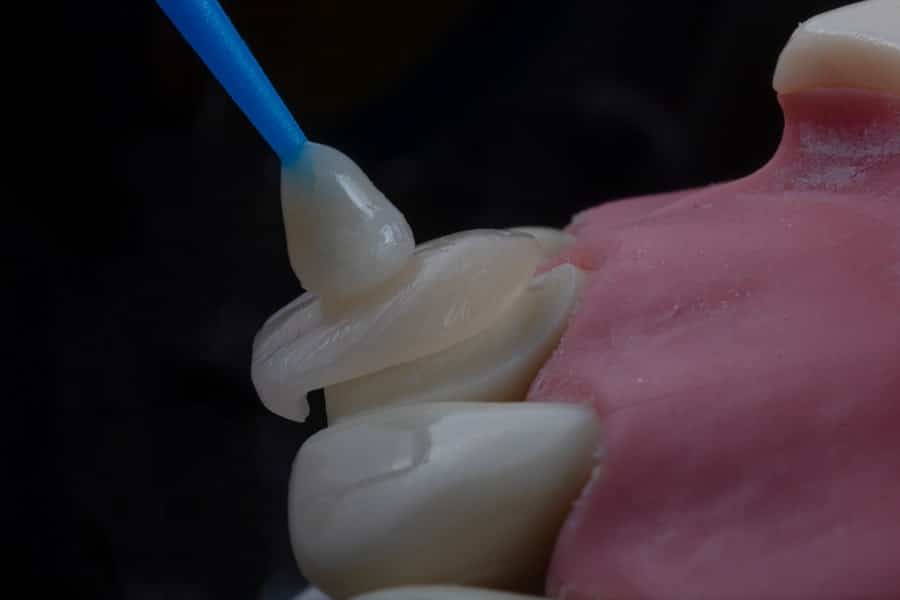
While specific quotes can only be provided by a dental professional after an examination, we can outline the typical cost ranges you might encounter for dental implants in Westridge, McKinney, Texas. These figures are estimates and can vary widely.
Cost Components and Their Estimated Ranges
It’s important to remember that these are approximate ranges and can be influenced by the factors previously discussed.
The Implant Surgery (Placement of Post and Abutment)
The surgical placement of the implant post and the subsequent attachment of the abutment forms the foundational surgical cost.
Single Dental Implant Surgery
For a single dental implant, including the surgical placement of the titanium post and the abutment, you might expect costs to range from $1,500 to $3,000. This estimate typically covers the surgeon’s fee, anesthesia, and the implant components themselves.
Bone Grafting (If Required)
As mentioned, bone grafting is an additional procedure. The cost for bone grafting can vary significantly depending on the type of graft and the extent of augmentation needed, typically ranging from $300 to $1,500 per graft site.
Sinus Lift Procedure
A sinus lift is a more involved procedure and can cost anywhere from $1,000 to $2,500 per side.
The Implant Restoration (The Crown)
The cost of the final tooth restoration, the crown, is separate from the surgical costs.
Porcelain-Fused-to-Metal (PFM) Crown
A PFM crown for a dental implant typically ranges from $800 to $1,500.
All-Ceramic or Zirconia Crown
For the superior esthetics and durability of all-ceramic or zirconia crowns, expect costs to range from $1,000 to $2,500 or more.
Full Mouth Rehabilitation Costs
Replacing all or most of your teeth with dental implants is a comprehensive treatment plan and represents a significant investment.
All-on-4® or Similar Concepts
These procedures, which use strategically placed implants to support a full arch of teeth, can range from $20,000 to $30,000 per arch, and sometimes higher depending on the materials and technology used.
Professional Fees and Ancillary Services
Beyond the direct costs of the implant components and surgical procedures, there are professional fees and other services that contribute to the overall expense.
Diagnostic Imaging (X-rays, CBCT Scans)
Accurate diagnosis is paramount. Dental practices utilize advanced imaging techniques to meticulously plan implant placement.
Standard Dental X-rays
These are typically included or have a minimal separate charge, often around $50 to $150.
Cone-Beam Computed Tomography (CBCT) Scans
CBCT scans provide detailed 3D images of your jawbone and surrounding structures, vital for precise implant planning. These can range from $200 to $500.
Laboratory Fees
The fabrication of your custom dental crown or other prosthetics is performed by a dental laboratory. These fees are incorporated into the overall cost.
Follow-up Appointments and Maintenance
While not a direct cost of the initial procedure, post-operative check-ups and routine maintenance are essential for long-term implant health and may involve separate, albeit typically lower, fees.
Financing and Insurance Considerations for Westridge Residents
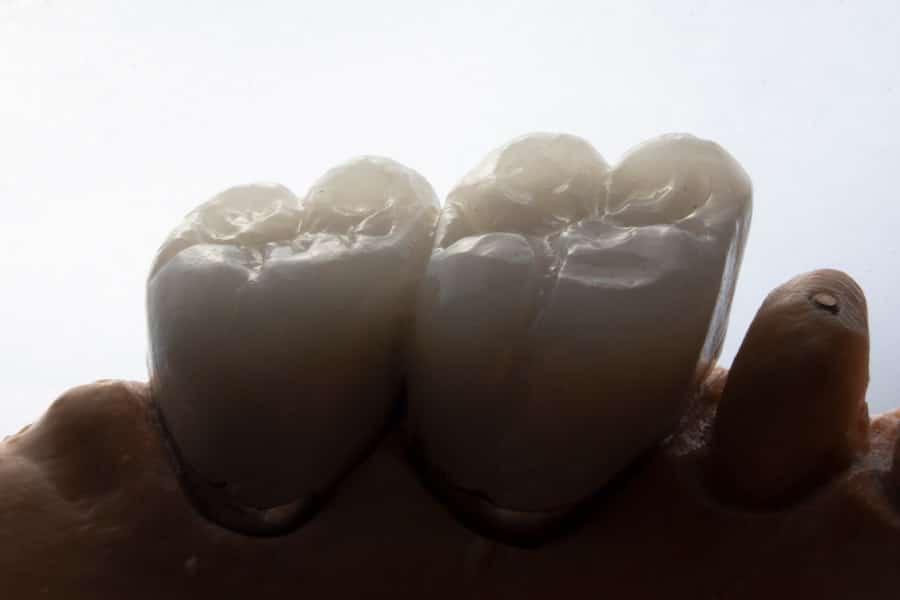
Navigating the financial aspect of dental implants can seem daunting, but understanding your options for financing and insurance is crucial. Many patients in Westridge find that strategic planning can make this investment more manageable.
Insurance Coverage for Dental Implants
The extent to which your dental insurance plan covers dental implants varies significantly. It is essential to verify your specific policy details.
Medical vs. Dental Insurance
In some cases, dental implants might be partially covered by medical insurance if they are deemed medically necessary due to trauma or a congenital defect. However, typically, they are considered cosmetic or restorative dentistry and fall under dental insurance.
Policy Limitations and Exclusions
Many dental insurance plans have limitations on coverage for implants, often categorizing them as cosmetic procedures and offering little to no coverage. Others may have annual maximums that are quickly reached with implant treatment.
Verifying Your Benefits
Your dental office’s administrative staff can be invaluable in helping you understand your coverage. Thoroughly reviewing your policy documents and speaking directly with your insurance provider is recommended.
Financing Options for Dental Implant Procedures
For those without comprehensive insurance coverage, several financing avenues can help spread the cost of dental implants over time.
Dental Financing Companies
Specialized dental financing companies offer loans specifically for dental procedures. These companies often have flexible repayment terms and may have options for patients with varying credit histories.
Patient Payment Plans
Some dental practices offer in-house payment plans, allowing you to pay for your treatment in installments directly to the clinic.
Low-Interest or No-Interest Financing
Many financing options provide low-interest or even 0% interest rates for a promotional period, making the repayment more affordable.
Traditional Loans and Credit Cards
For smaller portions of the cost, or if other options are unavailable, traditional personal loans or credit cards may be utilized, though interest rates can be higher than specialized dental financing.
Healthcare Savings Accounts (HSAs) and Flexible Spending Accounts (FSAs)
If you have an HSA or FSA through your employer, these pre-tax dollars can be used to pay for many dental procedures, including implants. This offers a tax advantage on the funds used.
If you’re considering dental implants in Westridge McKinney, Texas, understanding the associated costs is crucial for your decision-making process. A helpful resource that provides insights into dental implant pricing can be found in a related article discussing costs in Newark, Ohio. You can read more about it here. This information can give you a broader perspective on what to expect and help you budget effectively for your dental needs.
Making an Informed Decision: Choosing a Provider in Westridge, McKinney
| Service | Average Cost | Location | Additional Notes |
|---|---|---|---|
| Single Dental Implant | 1500 – 3000 | Westridge, McKinney, TX | Includes implant placement and abutment |
| Implant Crown | 1000 – 2000 | Westridge, McKinney, TX | Custom-made porcelain crown |
| Full Mouth Dental Implants | 24000 – 50000 | Westridge, McKinney, TX | Price varies based on number of implants |
| Bone Grafting | 300 – 1200 | Westridge, McKinney, TX | May be required for implant placement |
| Consultation Fee | 50 – 150 | Westridge, McKinney, TX | Initial exam and treatment planning |
The decision to undergo dental implant treatment is significant, and selecting the right provider in Westridge, McKinney, is as critical as the procedure itself. Your choice will impact not only the outcome but also your overall experience and the total investment.
Researching and Consulting Dental Professionals
Thorough research and consultation are the cornerstones of making a confident decision.
Credentials and Specializations
Look for dentists and oral surgeons who have specific training and extensive experience in implant dentistry. Board certification in oral and maxillofacial surgery or periodontics is a strong indicator of specialized expertise.
Fellowships and Advanced Training
Consider professionals who have pursued fellowships or advanced training programs focused on implantology. This signifies a dedication to staying at the forefront of the field.
Patient Reviews and Testimonials
Online reviews and testimonials from other patients can offer valuable insights into a dentist’s chairside manner, the quality of care, and the patient experience. Look for patterns in feedback.
Technology and Facility Standards
A modern, well-equipped dental practice with advanced diagnostic and surgical technology can contribute to a more efficient, accurate, and comfortable experience.
The Initial Consultation: Your Opportunity for Clarity
The initial consultation is your primary opportunity to gather crucial information and assess whether a particular dental professional is the right fit for you.
Detailed Discussion of Your Case
A good provider will take the time to thoroughly discuss your oral health history, your concerns, and your treatment goals. They should explain the proposed treatment plan in detail.
Clear Cost Estimates and Financing Discussion
You should receive a comprehensive and transparent breakdown of all anticipated costs. This is also the time to discuss available financing options and how insurance might apply. Do not hesitate to ask for clarification on any line item.
Addressing Your Questions and Concerns
A reputable dentist will encourage you to ask questions and will patiently address all your concerns. Their willingness to engage and educate you on the process is a positive indicator.
Treatment Plan Options
In some cases, there may be alternative treatment approaches. A thorough consultation will explore these options, outlining the pros, cons, and associated costs of each.
By understanding the multifaceted nature of dental implant costs in Westridge, McKinney, Texas, and by engaging in thorough research and consultation, you can approach this transformative dental treatment with confidence and clarity.
FAQs
What is the average cost of dental implants in Westridge, McKinney, Texas?
The average cost of dental implants in Westridge, McKinney, Texas typically ranges from $3,000 to $5,000 per implant. This price can vary depending on factors such as the complexity of the procedure, the type of implant used, and the dental provider.
Does dental insurance cover the cost of dental implants in McKinney?
Many dental insurance plans do not fully cover dental implants, but some may offer partial coverage for certain aspects of the procedure, such as the crown or consultation fees. It is important to check with your insurance provider to understand your specific benefits.
Are there financing options available for dental implants in Westridge?
Yes, many dental offices in Westridge, McKinney offer financing options or payment plans to help patients manage the cost of dental implants. These plans can make the procedure more affordable by spreading payments over time.
What factors influence the cost of dental implants in Westridge, McKinney?
Several factors influence the cost, including the number of implants needed, the need for additional procedures like bone grafting or sinus lifts, the type of implant materials used, and the experience of the dental surgeon.
How long does the dental implant procedure take in McKinney, Texas?
The dental implant process typically takes several months, including initial consultation, implant placement, healing time for osseointegration (usually 3-6 months), and placement of the final crown. The exact timeline can vary based on individual cases.