
Dental Implant Clinics Prices in Frisco, TX
When considering dental implants, you are embarking on a significant investment in your oral health and overall well-being. This guide aims to provide you with a comprehensive understanding of dental implant clinic prices in Frisco, TX, examining the myriad factors that contribute to the final cost.
Navigating the landscape of dental implant pricing can feel like sifting through a complex scientific paper, with each variable acting as a data point that influences the eventual outcome. Our goal is to demystify this process and provide clarity on what you can expect in terms of expenses.
The “sticker price” for a dental implant is rarely the full story. Many elements coalesce to form the total expenditure. Think of it as constructing a house; the cost isn’t just the foundation, but also the framing, plumbing, electrical work, and finishing touches. Each component is essential and adds to the final build.
The Implant Fixture Itself
The implant fixture is the titanium (or sometimes zirconia) post surgically placed into your jawbone. This acts as the artificial root of your new tooth. The material quality and the brand of the implant can influence its price. Just as there are different manufacturers for any complex medical device, dental implant companies vary in their research, development, and manufacturing precision.
Some brands, due to extensive clinical trials and proven longevity, command a higher price point. You might encounter premium brands that offer specific surface treatments designed to enhance osseointegration, the process where the bone fuses with the implant.
The Abutment
The abutment connects the implant fixture to the prosthetic crown. This crucial component ensures a secure and stable attachment. Abutments can be standard (pre-fabricated) or custom-milled. A custom abutment, tailored precisely to your gum line and bite, often provides a more aesthetic result and better long-term stability, particularly in visible areas of your mouth.
However, this customization adds to the overall cost. Think of a standard abutment as a ready-to-wear suit versus a custom-tailored one – both fulfill the basic function, but one offers a superior fit and finish.
The Prosthetic Crown (or Bridge/Denture)
The crown is the visible part of your new tooth. Its cost is influenced by the material used (e.g., porcelain-fused-to-metal, all-ceramic like zirconia, or lithium disilicate), the artistic skill required for its fabrication, and the dental laboratory chosen by your restorative dentist. High-quality laboratories with experienced technicians who specialize in aesthetic dentistry often produce superior results, but this expertise comes at a premium.
If you are replacing multiple teeth, you might require an implant-supported bridge or denture, which will have a different pricing structure than a single crown. The complexity of these larger prostheses, the number of implants required to support them, and the materials used will significantly impact the price.
Surgical Fees
The surgical placement of the implant fixture is a critical step, and the associated fees reflect the surgeon’s expertise, the complexity of your case, and the use of specialized equipment. This fee covers the surgeon’s time, use of the surgical suite, and, often, follow-up appointments related to the implant’s healing. If you require sedation beyond local anesthesia, such as oral conscious sedation or IV sedation (administered by an anesthesiologist), these costs will be added.
Diagnostic Imaging
Before any procedure, comprehensive diagnostic imaging is essential. This typically includes X-rays (panoramic and periapical) and often a Cone Beam Computed Tomography (CBCT) scan. A CBCT scan provides a detailed 3D view of your jawbone, allowing your dentist or surgeon to precisely plan implant placement and avoid critical anatomical structures such as nerves and sinuses. These scans are like a highly detailed topographical map, crucial for navigating complex terrain. The cost of these diagnostics is usually billed separately.
Ancillary Procedures
Not every patient has sufficient bone volume or healthy gum tissue for immediate implant placement. You might require additional procedures to prepare your mouth for the implant. These “ancillary” procedures can significantly affect total costs and are often overlooked in initial estimates.
Bone Grafting
If you have experienced bone loss due to tooth extraction, gum disease, or trauma, you might need a bone graft. This procedure involves adding bone material (from your own body, a donor, or synthetic sources) to augment the jawbone, creating a stable foundation for the implant. Bone grafting can range from minor socket preservation after an extraction to more extensive sinus lifts or block grafts. The type and extent of the graft directly impact the cost.
Sinus Lift
When placing implants in the upper jaw, especially in the posterior region, the maxillary sinuses can be too low, encroaching on the necessary bone height. A sinus lift procedure gently raises the sinus floor, allowing bone graft material to be placed and increasing bone volume. This is a common procedure that significantly increases overall costs and the treatment timeline.
Gum Grafting
In some cases, you might have insufficient or receded gum tissue around the implant site. Gum grafting, where tissue is taken from another area of your mouth (such as the palate) and transplanted to the implant site, may be necessary to ensure long-term stability and aesthetics. This procedure protects the implant and helps prevent future complications.
If you’re considering dental implants and want to understand the pricing landscape, you might find it helpful to explore related articles that provide insights into costs in different regions. For instance, an informative resource on the costs associated with dental implants can be found in this article about Longmont, Colorado.
You can read more about it here: Costs for Dental Implants in Longmont, Colorado. This article offers a comprehensive overview to help you compare prices and make informed decisions about dental implant clinics in Frisco, TX.
Factors Influencing Implant Clinic Prices in Frisco, TX
Just as the cost of a home varies based on its location, size, and amenities, dental implant prices in Frisco, TX, are influenced by numerous factors specific to the clinic and your individual needs.
Clinic Reputation and Experience
Highly experienced and reputable dental implant surgeons and restorative dentists often command higher fees. Their extensive training, specialized certifications, and successful track record contribute to their value. You are, in essence, paying for their expertise and the peace of mind it brings. Consider this akin to entrusting a masterpiece to a renowned art restorer; their skill is reflected in their fee.
Technology and Equipment
Clinics that invest in state-of-the-art technology, such as advanced 3D imaging (CBCT), guided surgical systems, and in-house dental labs, may have higher overheads, which can be reflected in their pricing. These technologies, however, often lead to more precise implant placement, reduced chair time, and improved outcomes. Using the latest tools is like precision engineering versus more rudimentary methods.
Geographic Location within Frisco
While Frisco is a relatively affluent area, even within the city, clinic locations can influence pricing. Clinics in prime, high-rent areas might charge slightly higher fees than those in more suburban or less commercially dense parts of Frisco. However, this difference is often marginal compared to other factors.
Number of Implants Required
Logically, replacing a single tooth with an implant will be less expensive than replacing multiple teeth or a full arch. The more implants you need, the higher the total cost, as each implant fixture, abutment, and crown (or portion of a bridge/denture) adds to the expense. Volume discounts are rare in complex medical procedures.
Material Choices
As mentioned earlier, the materials used for the implant, abutment, and crown significantly impact the cost. Premium materials, such as specialized zirconia for crowns or advanced titanium alloys for implants, will naturally be more expensive due to their superior properties and manufacturing processes.
Average Cost Ranges in Frisco, TX
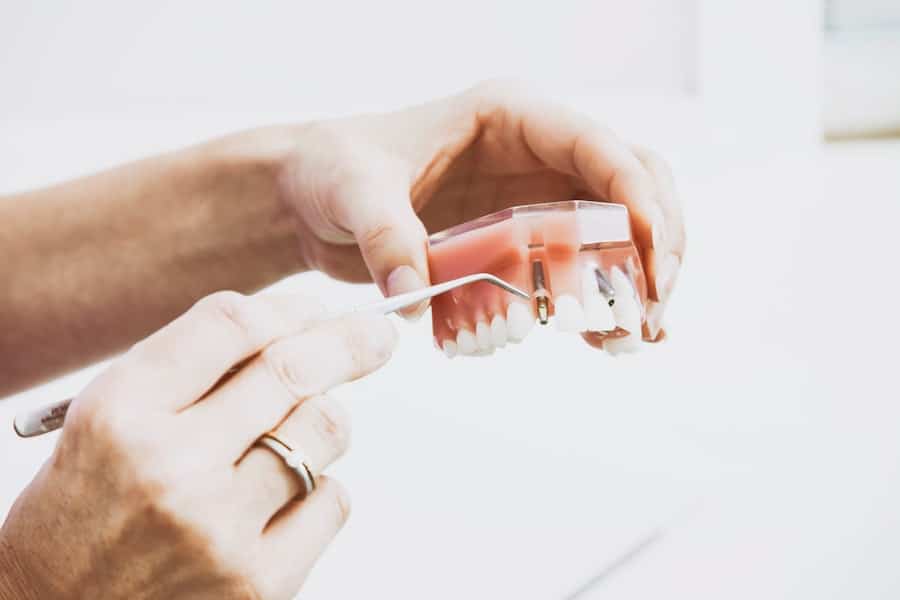
Providing an exact “average” price for dental implants is challenging because the treatment is custom. However, we can offer general ranges for individual components and common scenarios in Frisco, TX. These figures are estimates and can vary significantly from one clinic to another.
Single Dental Implant (per tooth)
For a single dental implant, encompassing the implant fixture, abutment, and crown, you can generally expect a range of $3,000 to $6,000 per tooth. This range often does not include ancillary procedures such as bone grafting or extraction, if necessary, which would add to the overall cost. Think of this as the base model price before adding any optional features.
Implant Fixture Cost
The implant fixture alone typically ranges from $1,000 to $2,500. This reflects the material science and manufacturing precision.
Abutment Cost
Abutments can cost anywhere from $300 to $800, with custom abutments usually on the higher end of that range.
Crown Cost (for a single implant)
The prosthetic crown for a single implant typically ranges from $800 to $2,000, depending on the material and laboratory fees.
Implant-Supported Bridge (for multiple missing teeth)
If you are missing several teeth in a row, an implant-supported bridge can be a viable option. For example, replacing three missing teeth with a two-implant-supported bridge might range from $6,000 to $15,000. The final cost depends on the number of implants needed to support the bridge and the materials used for the bridge itself. This is like building a miniature bridge between two pillars, each pillar represented by a bridge implant.
Full Arch Implants (AlBridge/All-on-X)
For patients who need to replace an entire arch of teeth (either upper or lower), the “All-on-4” or “All-on-X” concepts are popular. These involve using a minimum of four implants (All-on-4) or more (All-on-X) to support a fixed full-arch prosthesis. The cost for a single arch (upper or lower) of “All-on-4” or similar can range significantly, typically from $20,000 to $35,000. This comprehensive solution is a substantial investment, often including all surgical fees, implants, and the final prosthetic arch. It is a complete oral rehabilitation, essentially a new set of fixed teeth.
Ancillary Procedure Costs
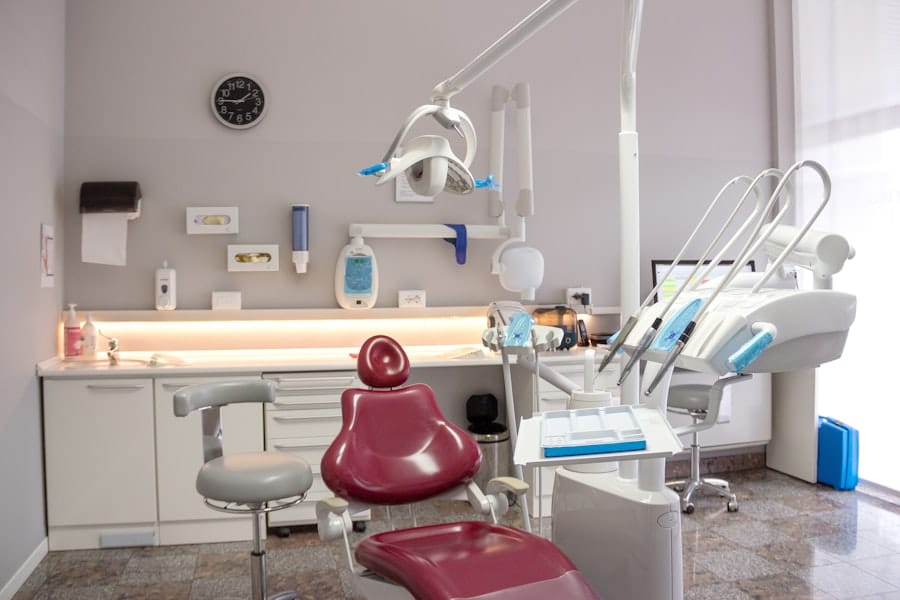
As noted, these can add significantly to the total.
Bone Grafting Cost
Minor bone grafts (like socket preservation) might range from $300 to $800. More extensive grafts, such as a sinus lift, can range from $1,500 to $3,000 per sinus. Block grafts can be even higher.
Tooth Extraction Cost (if needed)
If a tooth needs to be extracted before implant placement, the cost can range from $75 to $200 for a simple extraction and $200 to $600+ for a surgical extraction (e.g., impacted wisdom tooth).
Exploring Payment Options and Financial Assistance
| Service | Average Price | Price Range | Notes |
|---|---|---|---|
| Single Dental Implant | 1800 | 1500 – 2200 | Includes implant post and abutment |
| Implant Crown | 1200 | 1000 – 1500 | Custom porcelain crown |
| Full Mouth Dental Implants | 24000 | 20000 – 30000 | All teeth replacement |
| Bone Grafting | 600 | 400 – 800 | Required for insufficient bone |
| Consultation Fee | 100 | 50 – 150 | Initial exam and x-rays |
Understanding the cost is one thing; navigating how to pay for it is another. Dental implants are often a multi-stage process, and payment plans can be structured to align with these stages.
Dental Insurance Coverage
While some dental insurance plans offer limited coverage for dental implants, many still categorize them as a “major procedure” with a percentage of coverage (e.g., 50%) up to an annual maximum benefit. Often, the annual maximum is insufficient to cover the cost of a single implant, let alone multiple implants. It is crucial to contact your insurance provider directly and understand the specifics of your plan’s implant coverage, if any.
Some plans may cover the extraction and bone graft but not the implant fixture itself, or they may cover the crown but not the surgical placement. Navigating insurance can feel like deciphering ancient hieroglyphs; direct communication is key.
Financing Options and Payment Plans
Most dental clinics in Frisco understand the financial commitment involved with implants and offer various financing solutions.
In-House Payment Plans
Some clinics provide their own payment plans, allowing you to pay for the treatment in installments directly to the practice. These plans vary widely in terms of interest rates (if any) and down payment requirements.
Third-Party Medical Financing
Organizations like CareCredit, Alphaeon Credit, and LendingClub offer specialized financing for healthcare expenses. These options often provide interest-free periods if the balance is paid within a specified timeframe (e.g., 6, 12, 18, or 24 months). If the balance is not paid off, interest rates can be substantial. These options can be a lifeline, bridging the gap between upfront cost and manageable monthly payments.
Health Savings Accounts (HSAs) and Flexible Spending Accounts (FSAs)
If you have an HSA or FSA through your employer, you can use pre-tax dollars to pay for dental implant procedures. This offers a significant tax advantage and can make the investment more financially feasible. Using these accounts is like receiving a tax-free subsidy for your health expenses.
Comparing Quotes and Treatment Plans
It is highly recommended that you obtain detailed treatment plans and cost estimates from at least 2 or 3 dental implant clinics in Frisco, TX. Do not simply compare the bottom-line number. Instead, carefully review what each quote includes:
- Itemized costs: Ensure each component (implant, abutment, crown, surgical fee, diagnostic imaging, bone graft, etc.) is itemized.
- Timeline: Estimate the treatment duration, especially if multiple stages are involved.
- Included follow-up care: Ask what post-operative appointments and adjustments are included in the initial fee.
- Guarantees or warranties: Inquire about any guarantees or warranties offered for the implants or restorations.
Think of this as doing your due diligence before a major purchase, meticulously examining all the fine print and comparing features. A lower initial quote might exclude vital steps that would eventually add to the total cost.
When considering dental implant options in Frisco, TX, it’s essential to understand the various factors that influence pricing. Many patients find it helpful to explore related articles that provide insights into costs and financing options. For instance, you can read about the costs associated with dental implants in different regions by visiting this informative article on dental implant prices. This resource can offer valuable context and help you make an informed decision regarding your dental health.
The Long-Term Value of Dental Implants
While the upfront cost of dental implants can seem substantial, it’s crucial to view them as a long-term investment in your health, function, and quality of life.
Durability and Longevity
Unlike other tooth replacement options, such as traditional bridges, which often need replacement every 7-15 years, dental implants, when properly cared for, can last a lifetime. The implant fixture itself is designed for immense durability. This longevity translates into cost savings over time by avoiding repeated replacement procedures. They are built to endure, like a robust bridge designed to withstand the test of time and traffic.
Preservation of Jawbone
One of the most significant benefits of dental implants is their ability to stimulate and preserve the jawbone. When a tooth is lost, the jawbone in that area can resorb (deteriorate) over time because it no longer receives the stimulation it needs. Implants act as artificial roots, maintaining bone density and preventing facial collapse that can occur with long-term tooth loss. This preservation is a silent guardian of your facial structure.
Improved Oral Function and Aesthetics
Dental implants restore your ability to chew, speak, and smile with confidence. They feel and function like natural teeth, unlike removable dentures that can slip or cause discomfort. The aesthetic outcome can be highly natural and seamless, blending perfectly with your remaining teeth. This restoration of function and aesthetics is not merely cosmetic; it profoundly impacts your daily life and self-esteem.
Comfort and Convenience
Implants eliminate the inconveniences associated with removable dentures, such as messy adhesives, dietary restrictions, and the need to remove them for cleaning. They become an integral part of your mouth, offering unparalleled comfort and convenience. Imagine trading a cumbersome backpack for something that feels like an extension of your own body; that’s the difference implants offer compared to traditional dentures.
The decision to pursue dental implants in Frisco, TX, is a personal one that weighs the financial investment against the profound benefits to your oral health and overall well-being. By understanding the various cost components, exploring financing options, and diligently comparing treatment plans, you can make an informed decision that aligns with your needs and budget. Remember, this is not just about replacing a tooth; it’s about rebuilding a foundation for a healthier, more confident you.
FAQs
What is the average cost of dental implants in Frisco, TX?
The average cost of dental implants in Frisco, TX, typically ranges from $3,000 to $5,000 per implant. This price can vary depending on the clinic, the complexity of the procedure, and whether additional treatments, such as a bone graft, are needed.
Do dental implant prices in Frisco include all associated fees?
Not always. Some clinics may quote prices that cover only implant placement, while others may include additional fees for consultation, imaging, anesthesia, and follow-up visits. It is important to clarify what is included in the quoted price.
Are there financing options available for dental implants in Frisco?
Yes, many dental implant clinics in Frisco offer financing plans or payment options to help patients manage the cost. Some clinics also accept dental insurance that may cover part of the procedure.
What factors influence the price of dental implants in Frisco, TX?
Factors influencing the price include the number of implants needed, the type of implant used, the need for preparatory procedures such as bone grafting or sinus lifts, the dentist’s experience, and the technology used during the procedure.
How can I find affordable dental implant clinics in Frisco, TX?
To find affordable options, compare prices from multiple clinics, check for special offers or discounts, inquire about payment plans, and read patient reviews. Additionally, some dental schools or community health centers may offer lower-cost implant services.
Maps Of Frisco, Texas
Weather In Frisco, Texas
[simple-weather location=”Frisco, Texas”]
Here is one Dental Implant Clinics Prices in Frisco TX
Dental Implant Clinics Prices in Frisco TX
Texas Center for Oral Surgery & Dental Implants
Oral surgeon
6960 Parkwood Blvd #300
West Frisco Dental and Implants
Dental clinic
10050 Legacy Dr #600
Frisco Periodontics and Dental Implants
Periodontist
9191 Kyser Way 601 Suite #601